Recipe
Chili Garlic Pork Udon

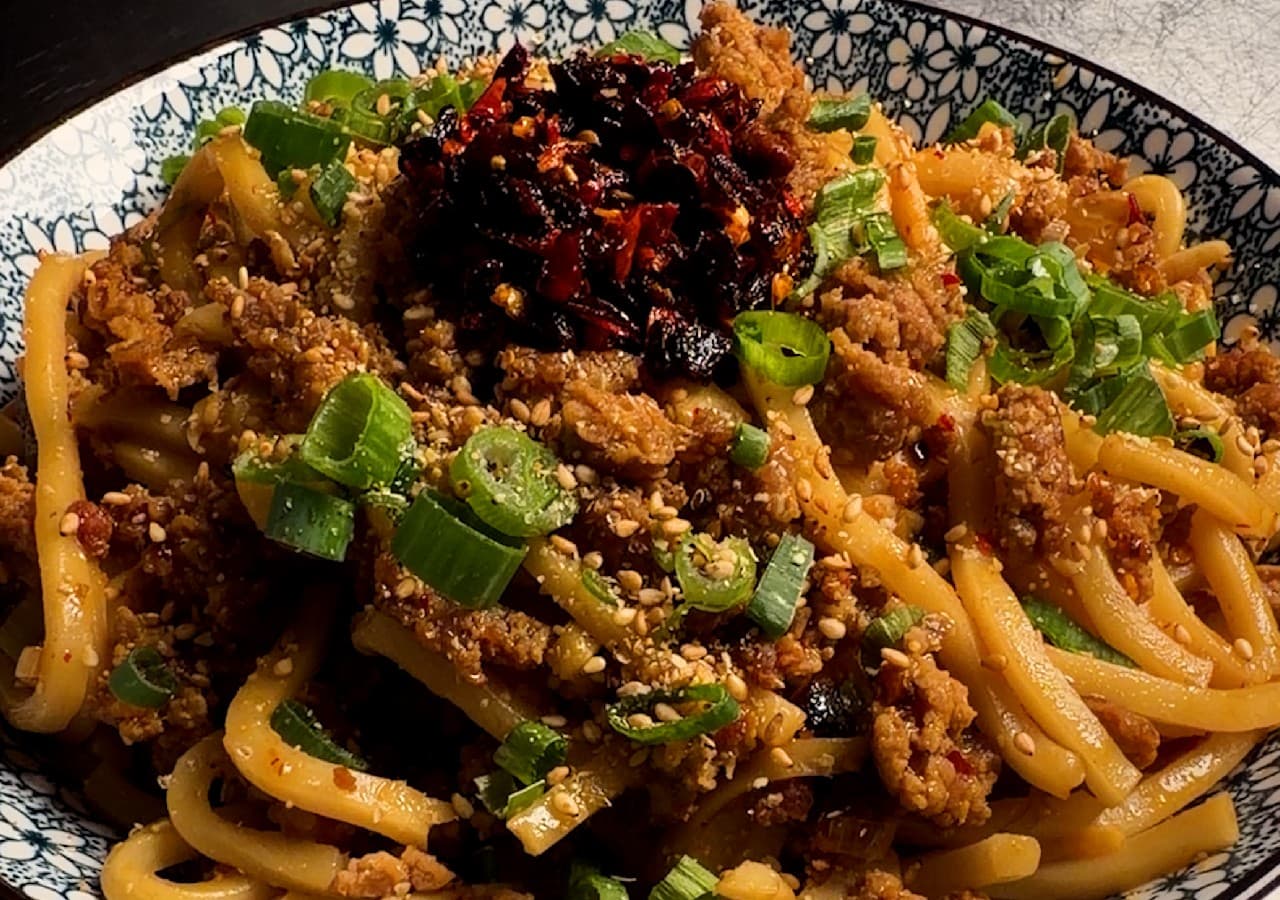
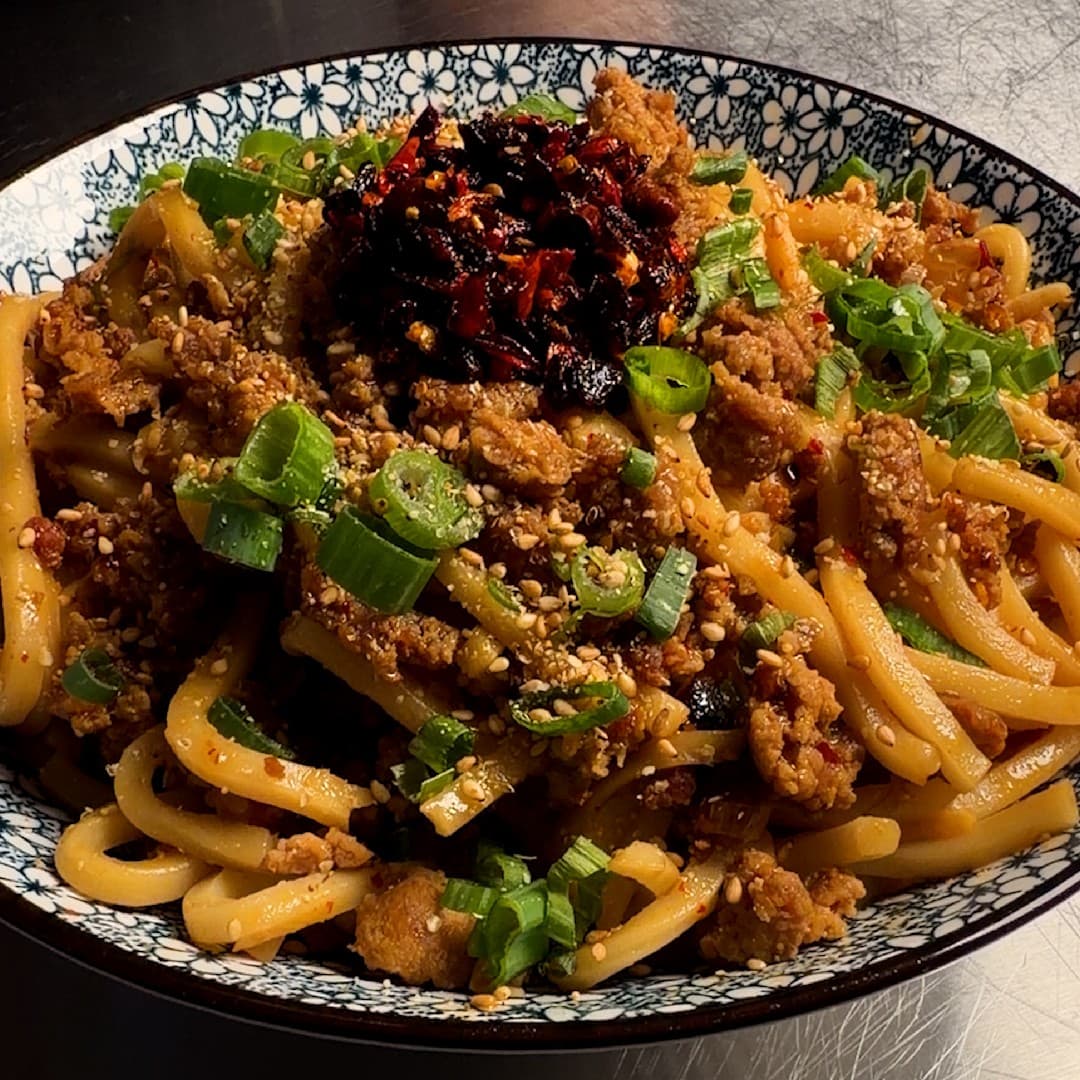
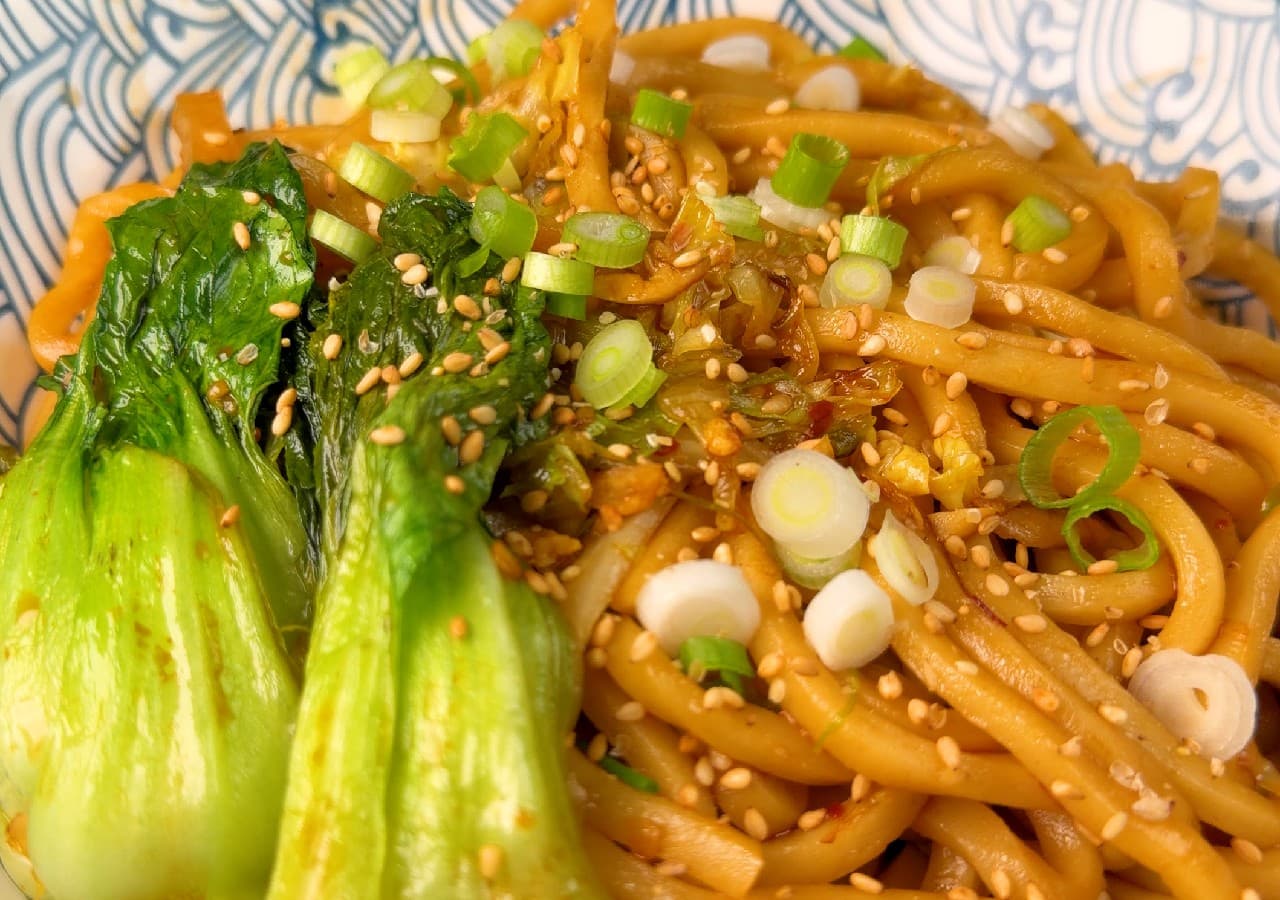
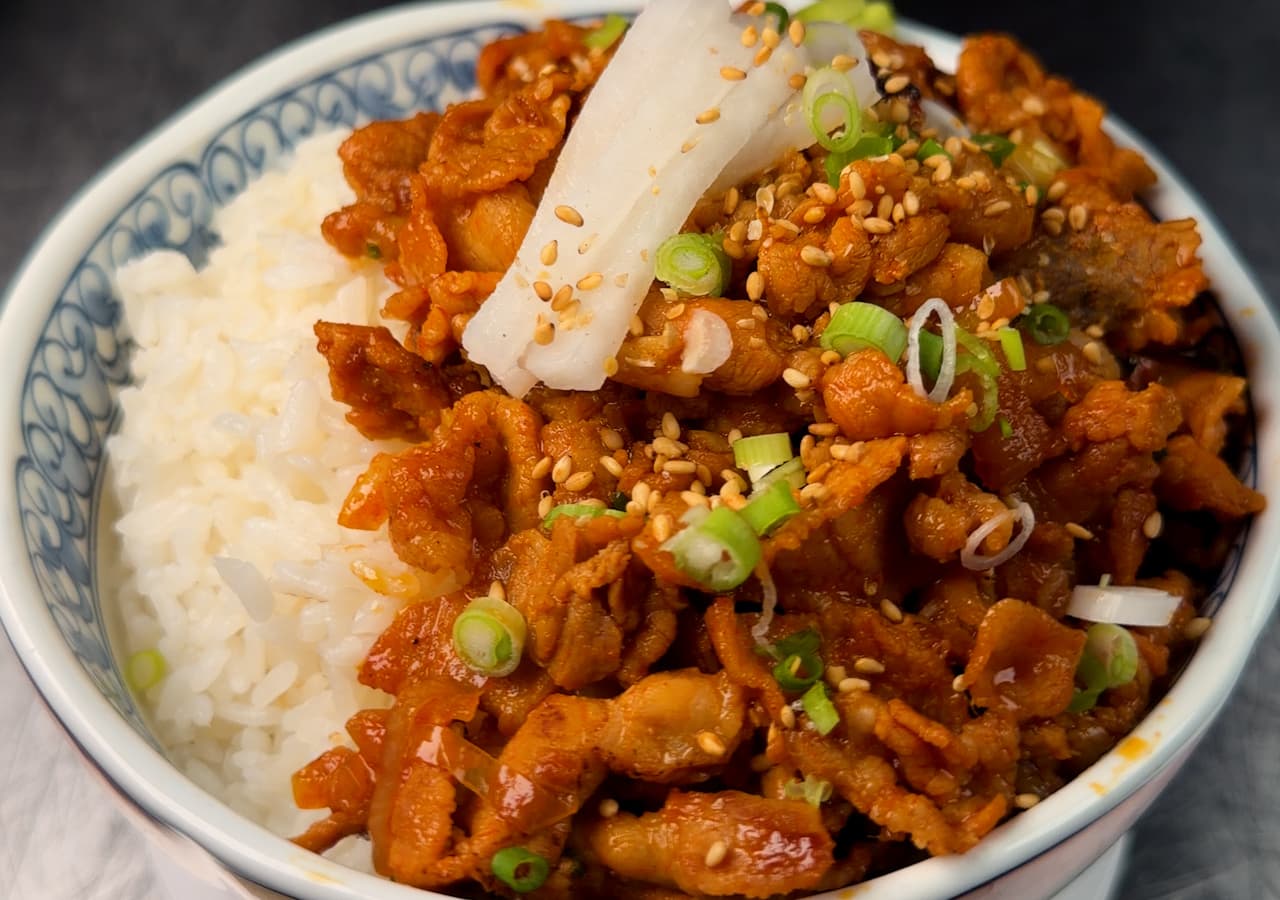
Caramelized crispy ground pork, tossed with thick chewy udon in a bold chili garlic soy sauce.
★5.0(1 review)Caramelized crispy ground pork, tossed with thick chewy udon in a bold chili garlic soy sauce.
★5.0(1 review)▶ Watch
Some product links are Amazon affiliate links. As an Amazon Associate I earn from qualifying purchases at no extra cost to you.
If you've made the rice-noodle version of crispy pork noodles, this is the noodle dish's richer, deeper cousin. Same rendered-pork technique, but the noodles are udon and the sauce leans darker and heavier. Oyster sauce carries it there, and it's the one bottle every pantry needs.
Oyster sauce is a concentrated reduction of oyster extract, sugar, and salt. It doesn't taste fishy. What it does is add the kind of deep savory gloss that makes noodle sauces look restaurant-dark and cling properly to thick wheat strands. A single tablespoon changes the entire character of a stir-fry.
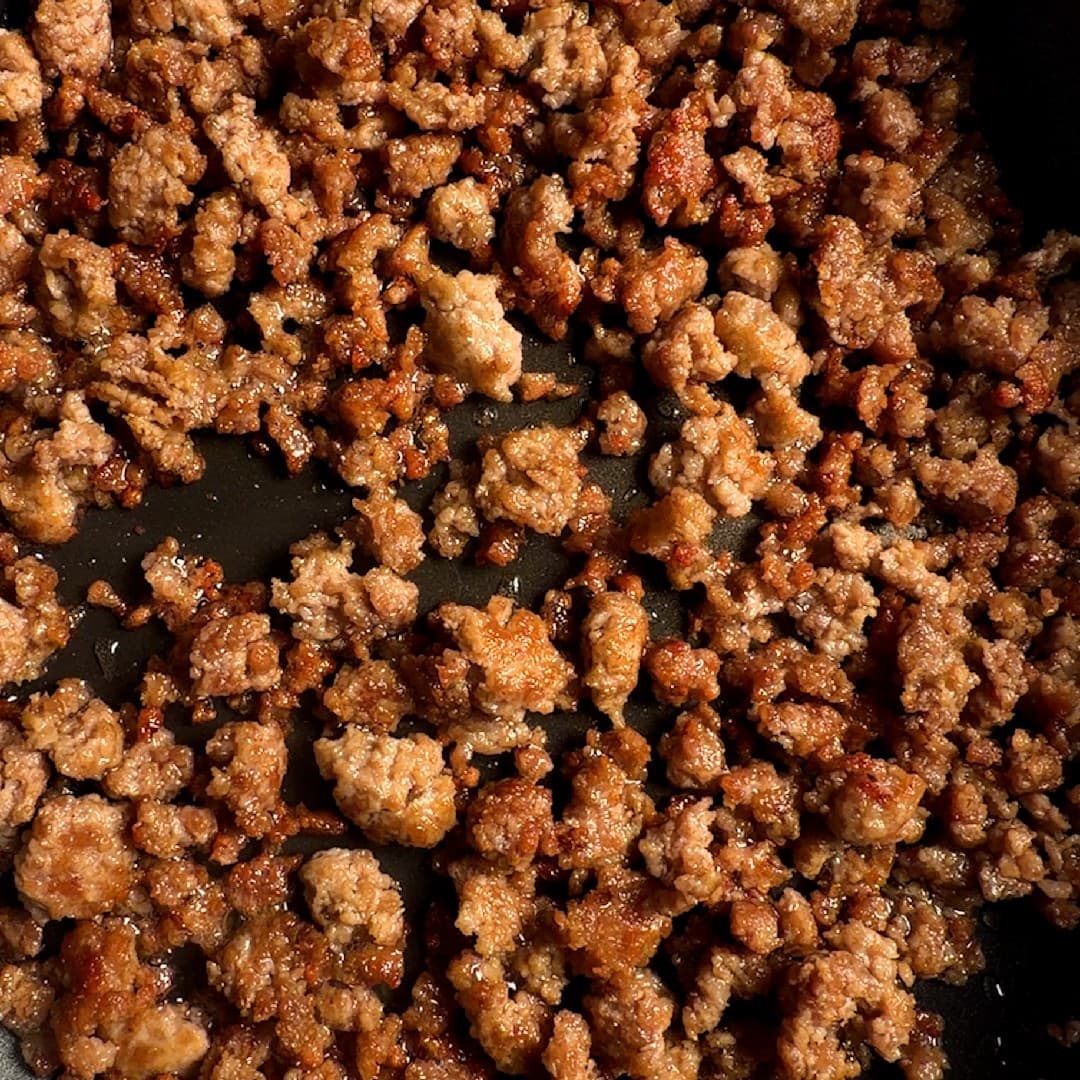
Start by browning the pork hard. Put it in a dry pan in a single layer and walk away for two or three minutes. Don't touch it, don't break it up. You want the bottom to go dark, crispy, and almost burnt looking. Those caramelized edges are where the flavor lives. Break into chunks, cook another three or four minutes, then pull and set aside.
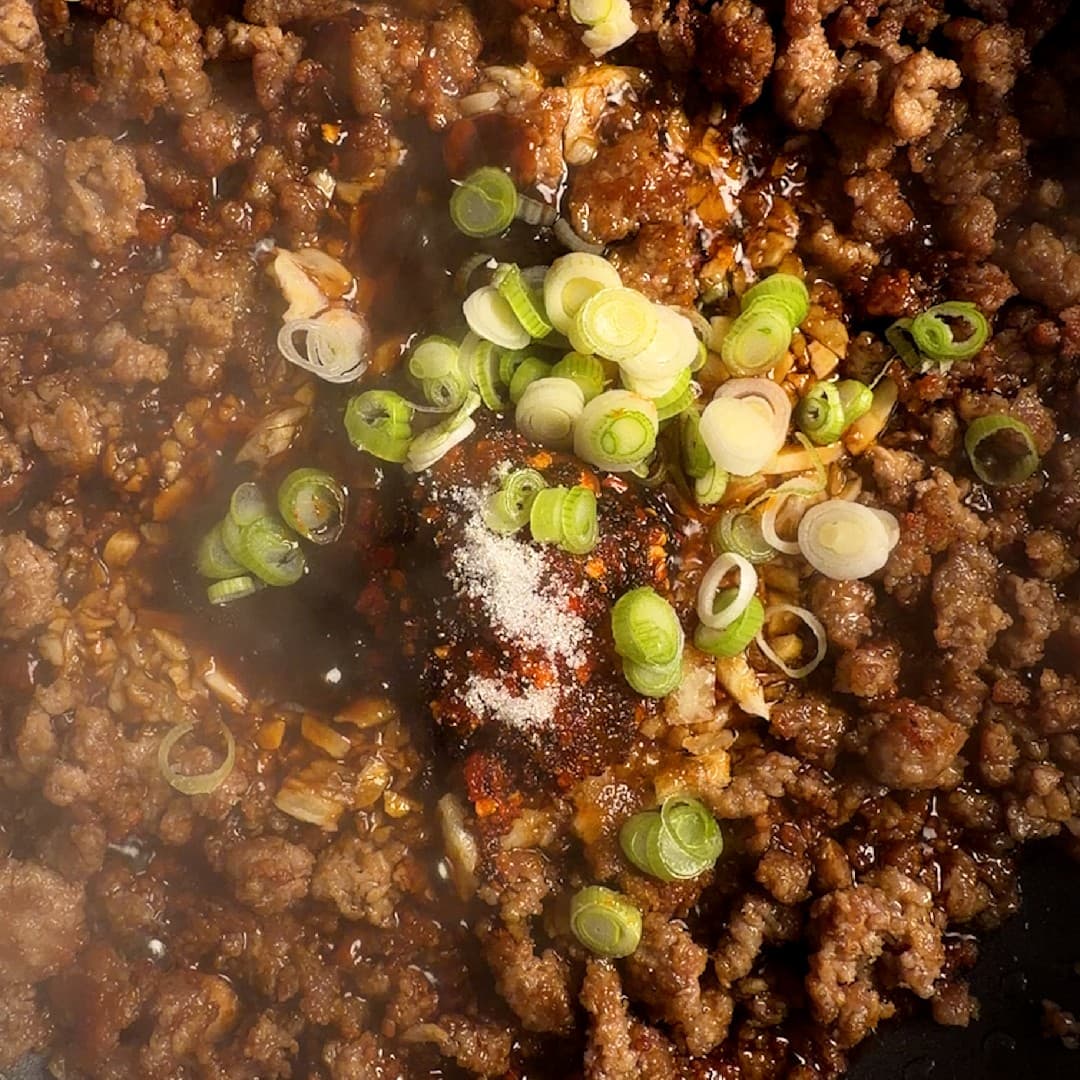
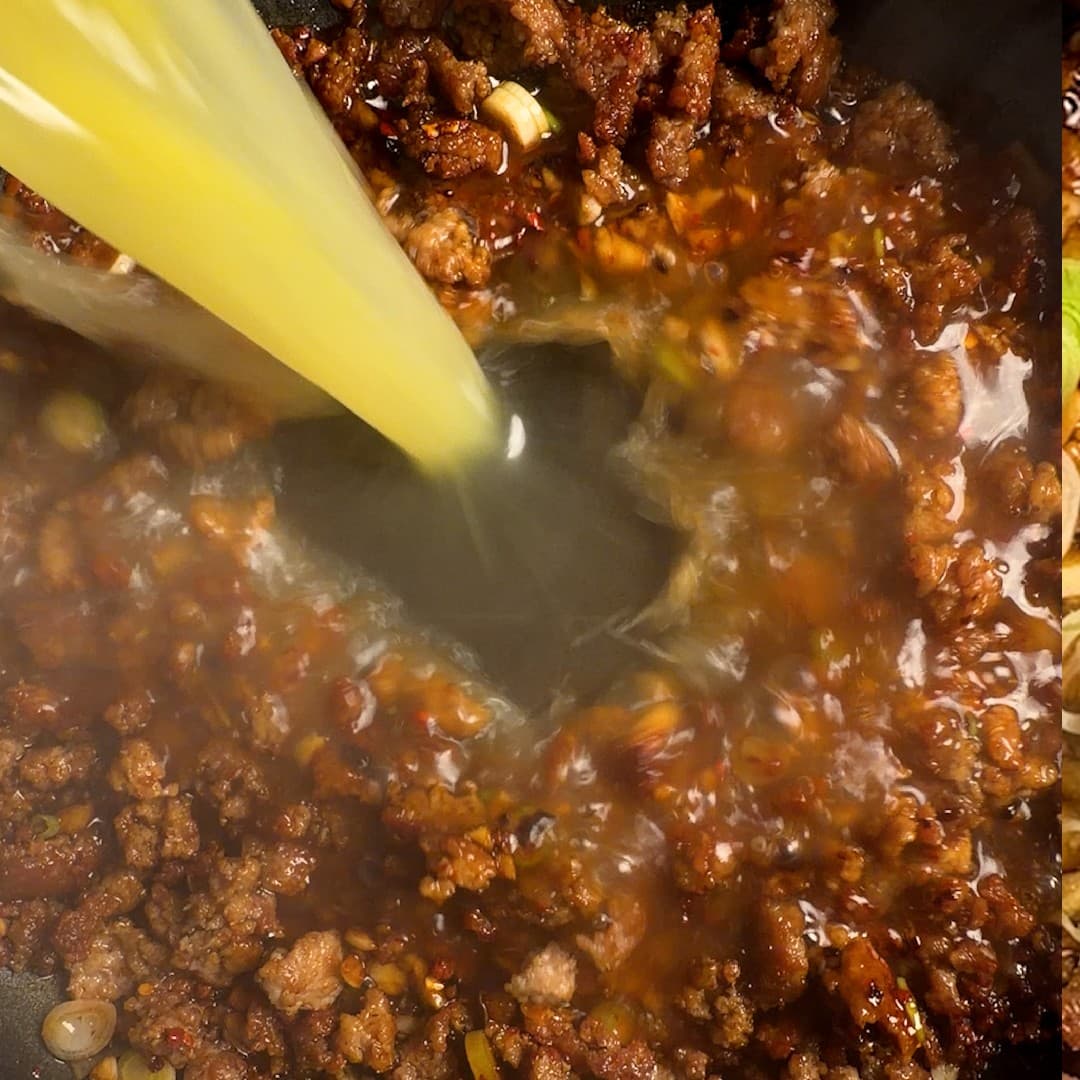
The sauce builds in the same pan. Garlic for thirty seconds, then chili crisp, soy, oyster sauce, sesame oil, sugar, and chicken stock. Everything goes in together. Let it come to a simmer and start reducing.
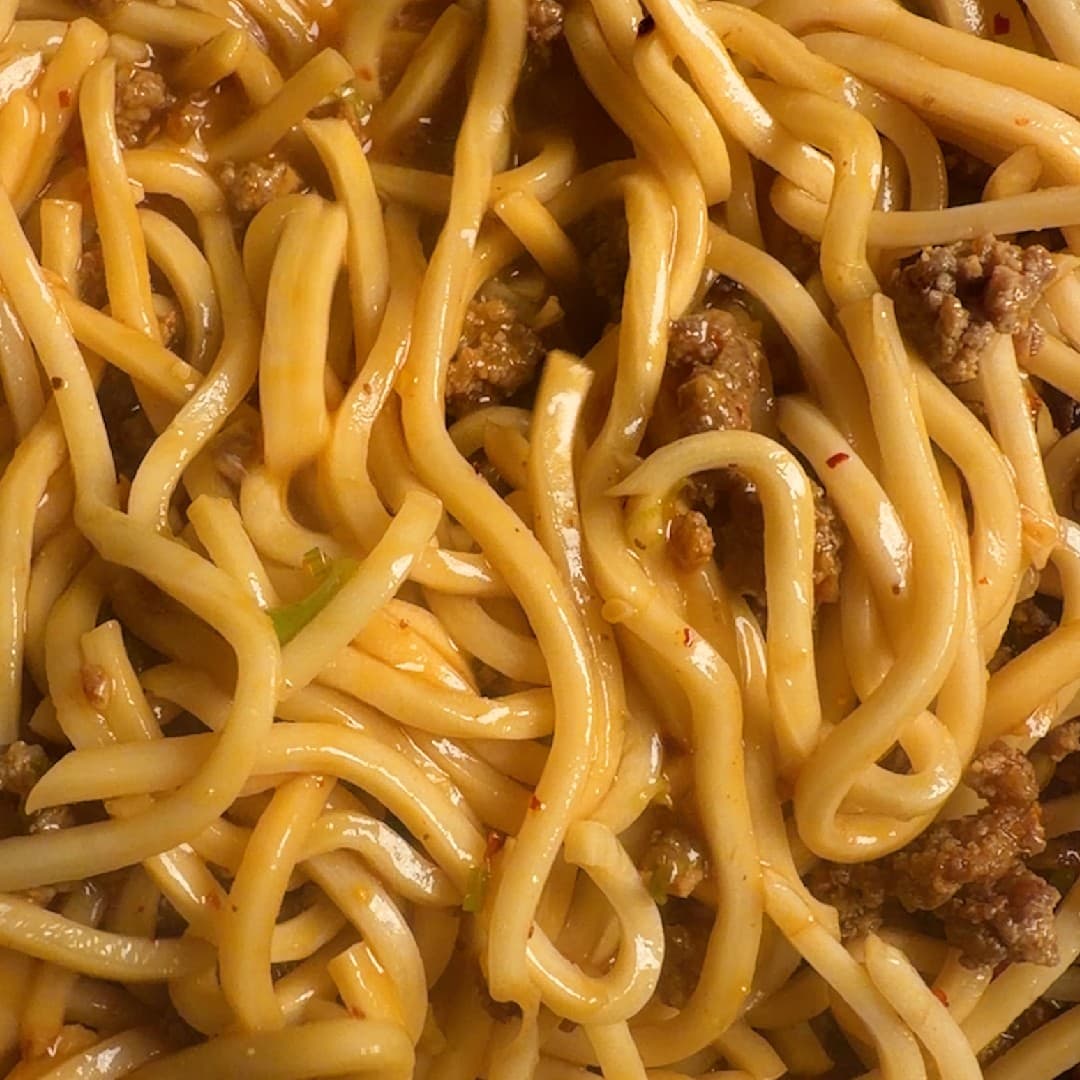
Udon goes directly into the sauce. It's fragile before it heats through, so toss gently at first, then more aggressively as it softens. Let the noodles sit in the pan long enough to drink the sauce, 2 to 3 minutes, until every strand is dark and glossy. Pork back in, scallions, sesame seeds, extra chili crisp. Done.
Render the Pork
Build the Sauce
Cook the Noodles
Finish and Plate
I will try it tomorrow
Twenty years cooking Korean, Chinese, and Japanese food, simplified for weeknight kitchens. Cooking professionally out of Seattle.