Recipe
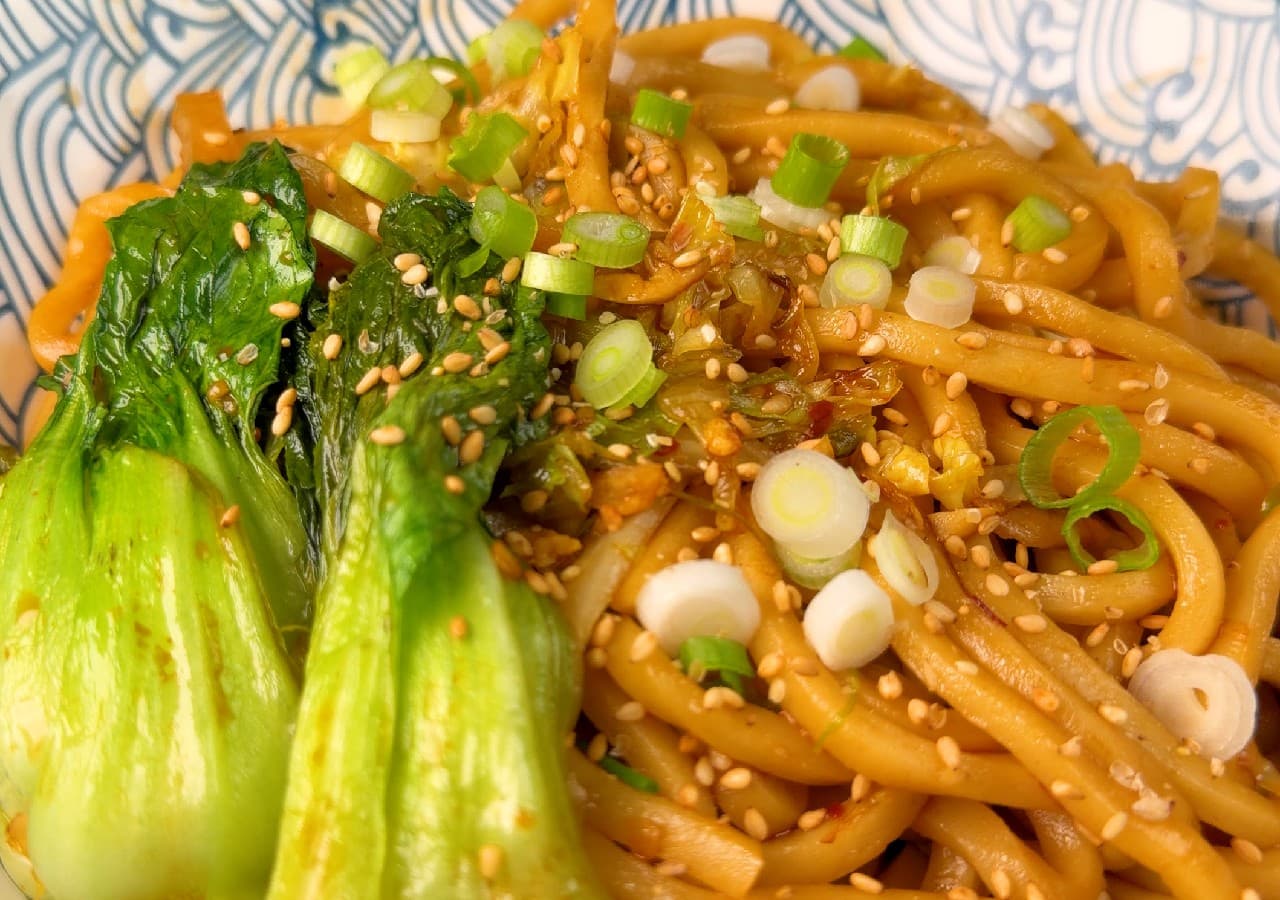
Crispy Pork Ginger Scallion Noodles

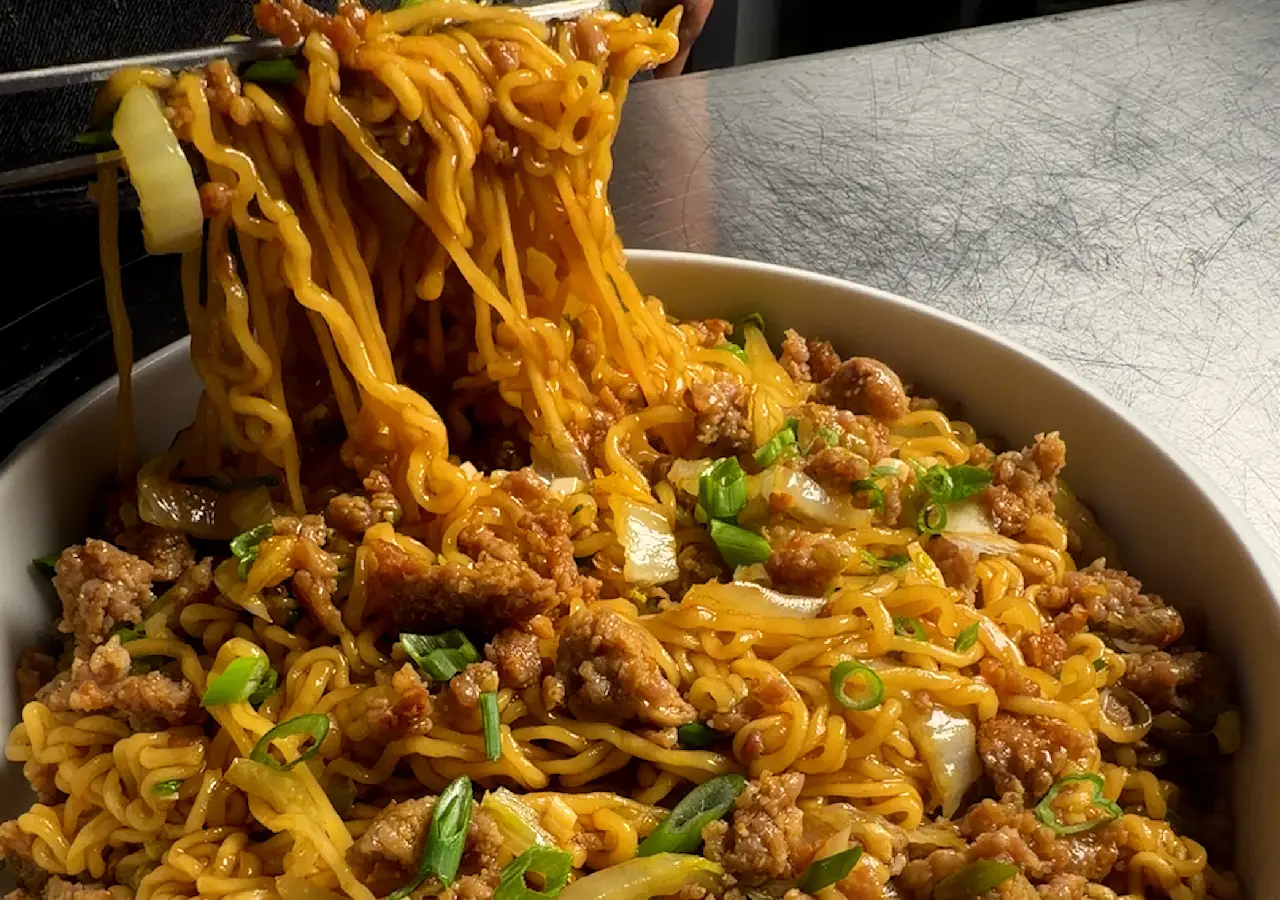
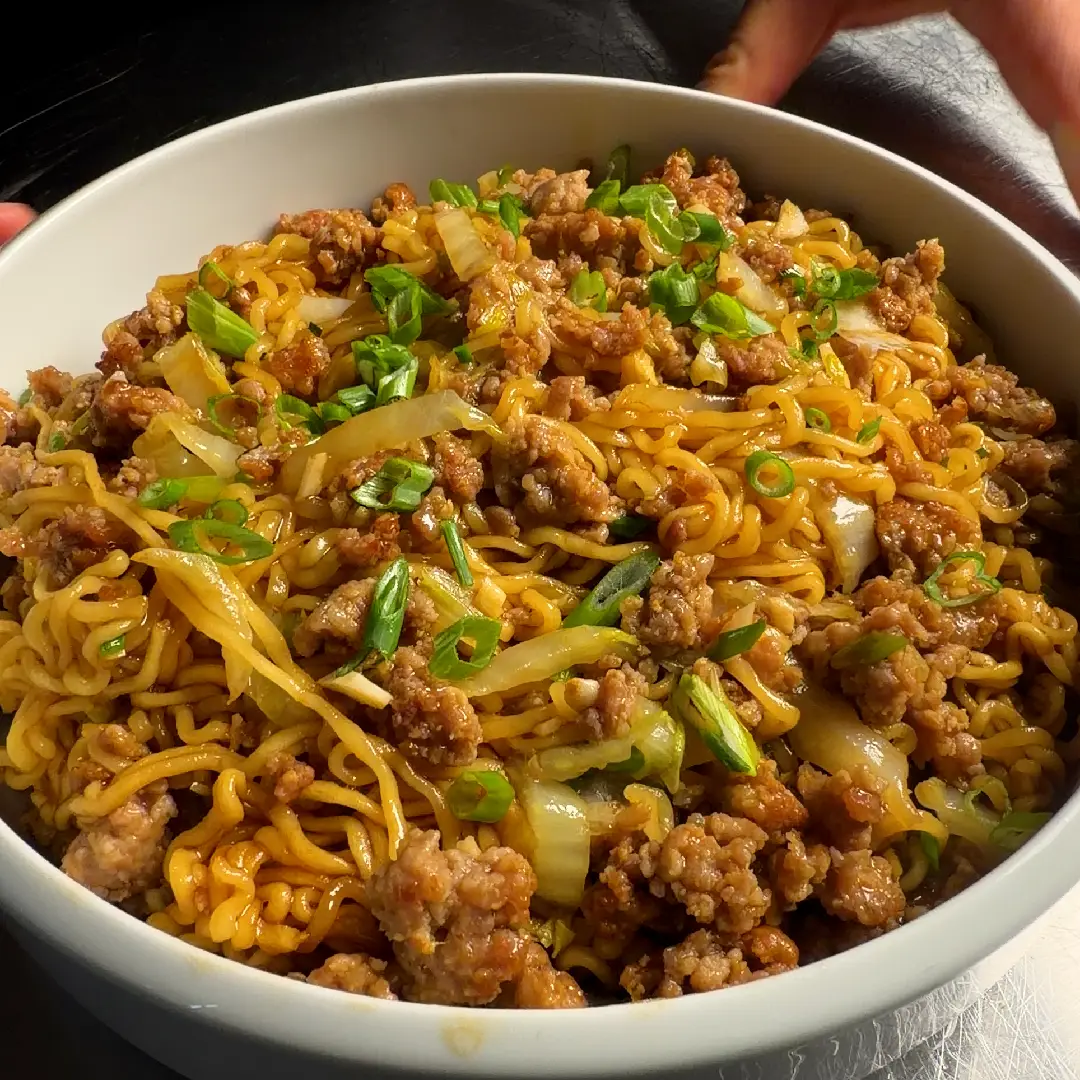
Crispy browned pork tossed with ramen noodles, fresh ginger, and scallions for a savory, aromatic weeknight stir fry.
★5.0(6 reviews)Crispy browned pork tossed with ramen noodles, fresh ginger, and scallions for a savory, aromatic weeknight stir fry.
★5.0(6 reviews)▶ Watch
Some product links are Amazon affiliate links. As an Amazon Associate I earn from qualifying purchases at no extra cost to you.
Napa cabbage, ginger, and scallions are the trio at the center of hundreds of Chinese home dishes. Together they create a specific aromatic profile, fresh and peppery on top, sweet and slightly funky underneath, that becomes the foundation of everything from dumpling filling to stir-fried noodles. Learning to handle them well unlocks a huge section of Chinese home cooking.
Napa cabbage cooks differently than green cabbage. The thick white ribs hold their crunch longer, while the frilly green tops wilt almost instantly. The goal is to pull them from the pan at the exact moment the tops have softened but the ribs still have a bite. Two or three minutes over high heat is usually right.
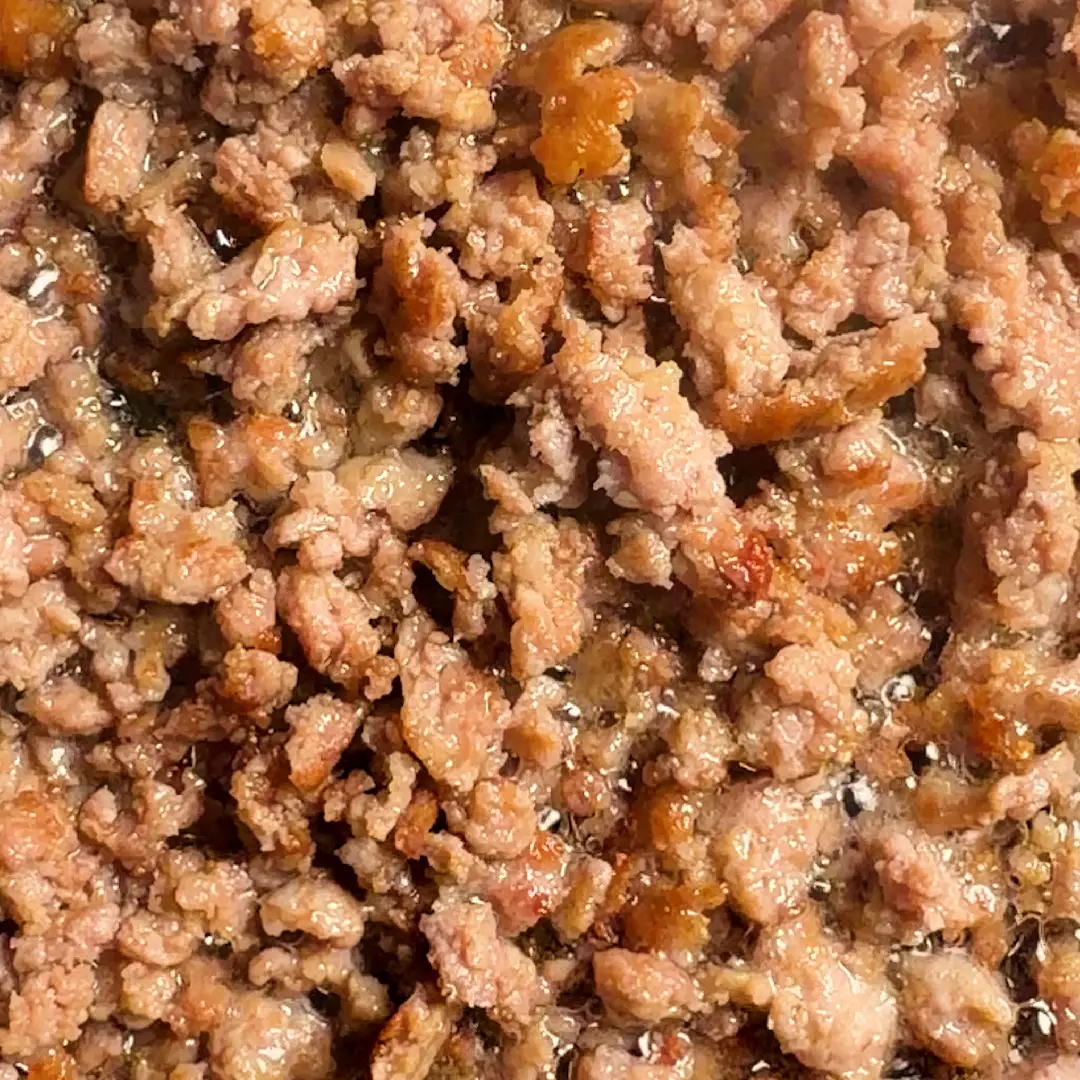
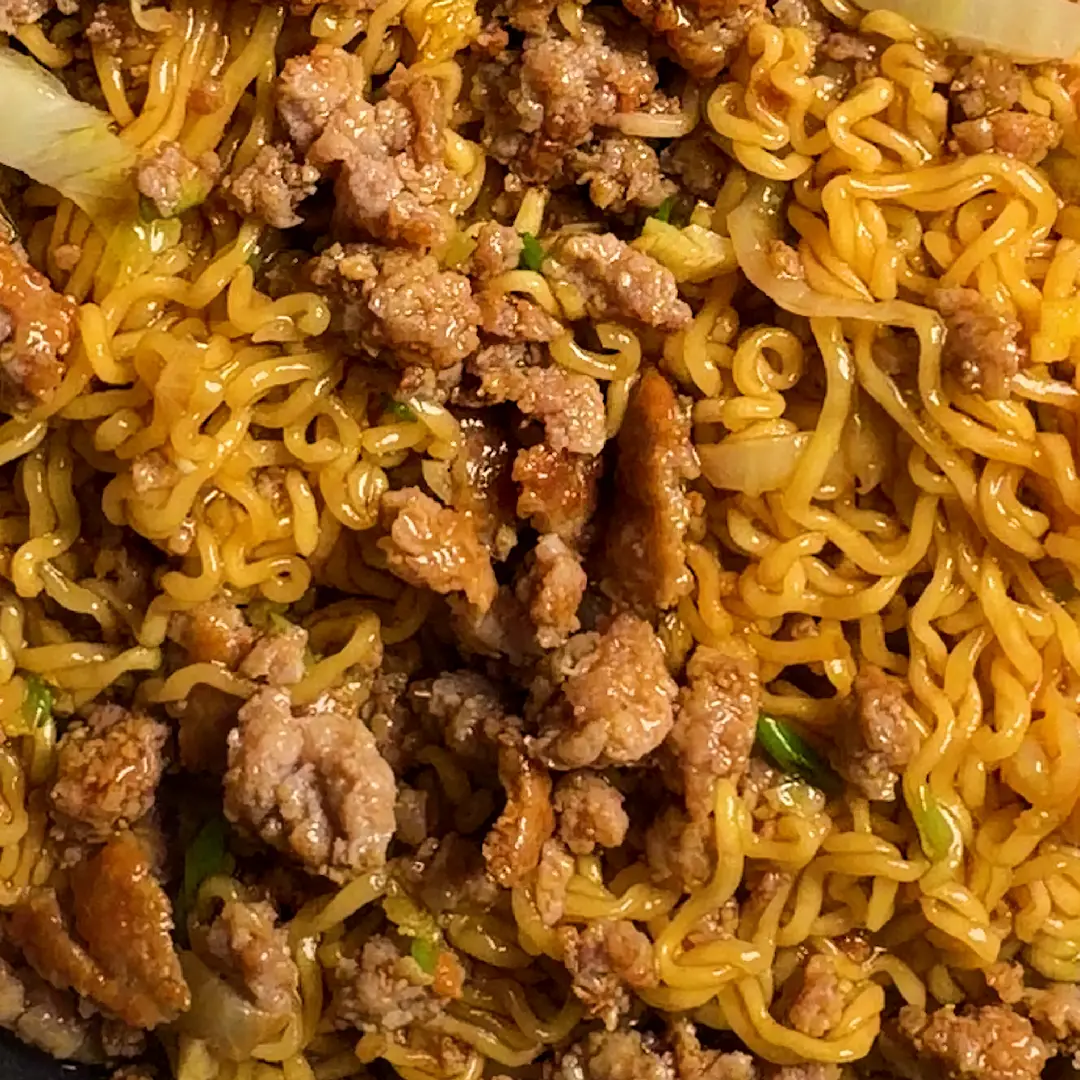
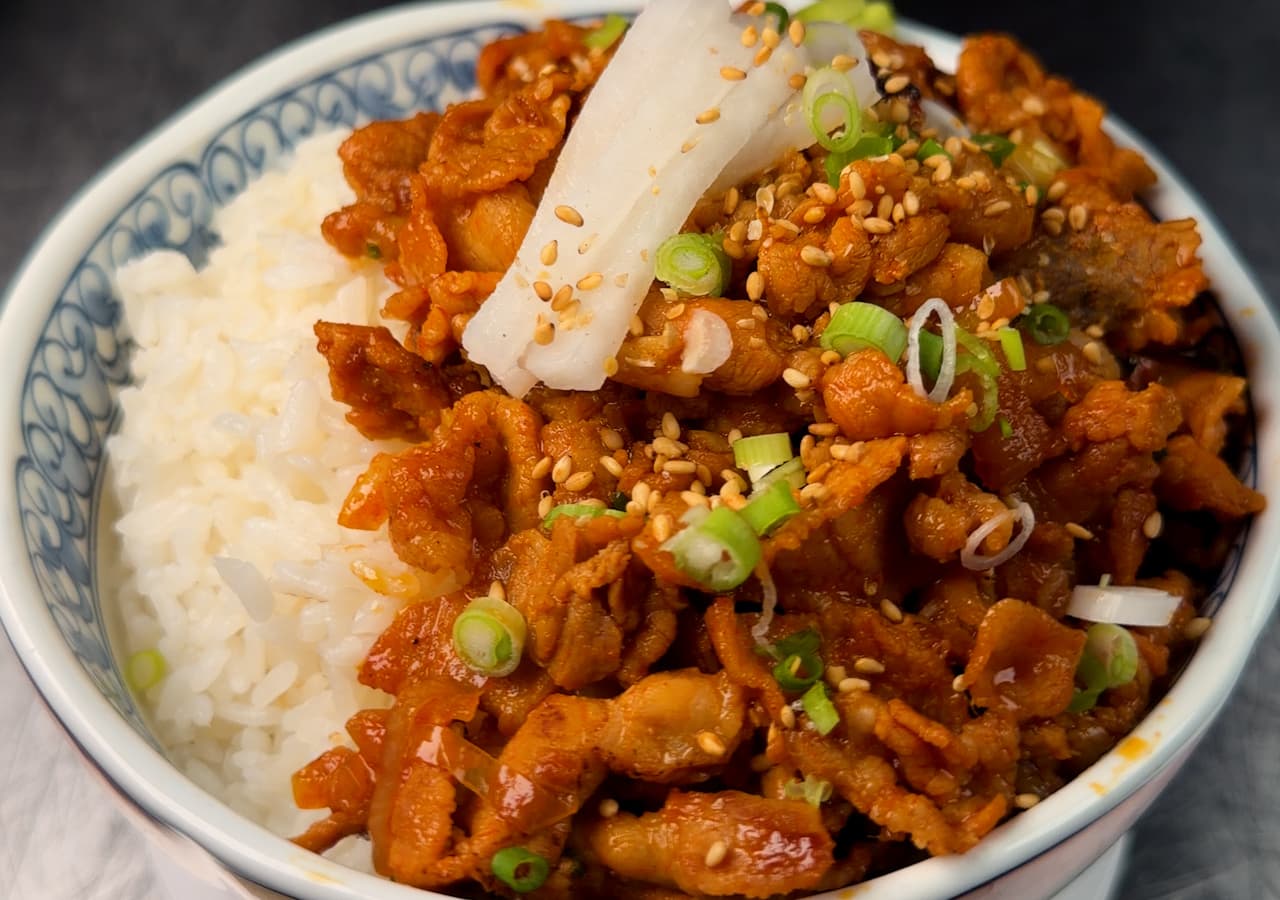
The pork comes first. Ground pork spread in an even layer, left completely alone for 2 to 3 minutes so the bottom browns hard and darkens. Break it apart and cook another 2 to 3 minutes for more crispy caramelized edges. Don't rush this. The dark browning is where half the flavor lives.
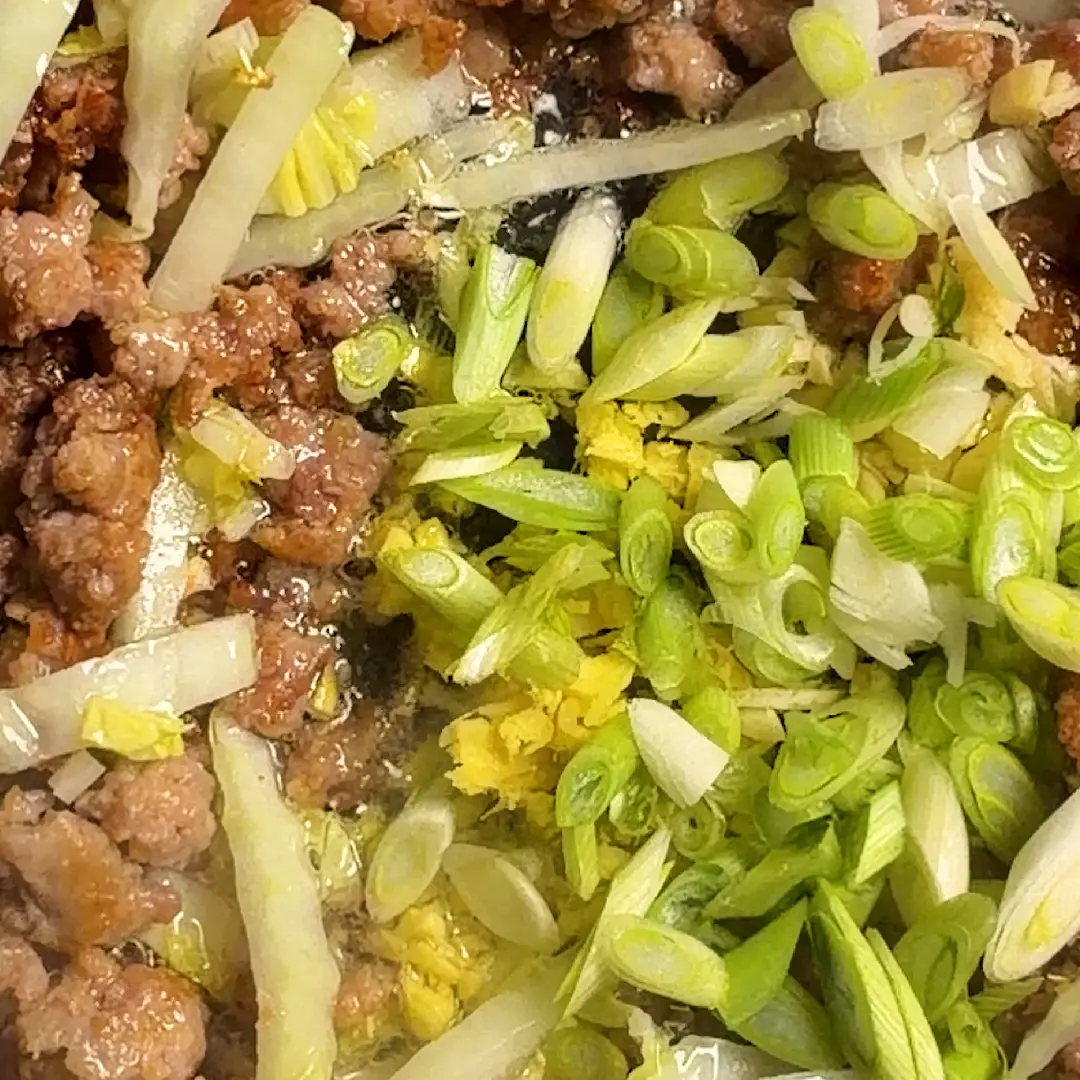
Push the pork to one side, add napa cabbage, grated ginger, minced garlic, and scallion whites to the empty side. They cook in the rendered pork fat until the cabbage just softens.
The sauce is a two-soy move. Light soy, the regular stuff labeled just "soy sauce" in Western grocery stores, does the seasoning job. Dark soy, thicker and blacker, adds color more than salt. A teaspoon of dark soy turns the whole dish a deeper shade without over-salting it. Rice vinegar for acid, sugar for balance, sesame oil for finish.
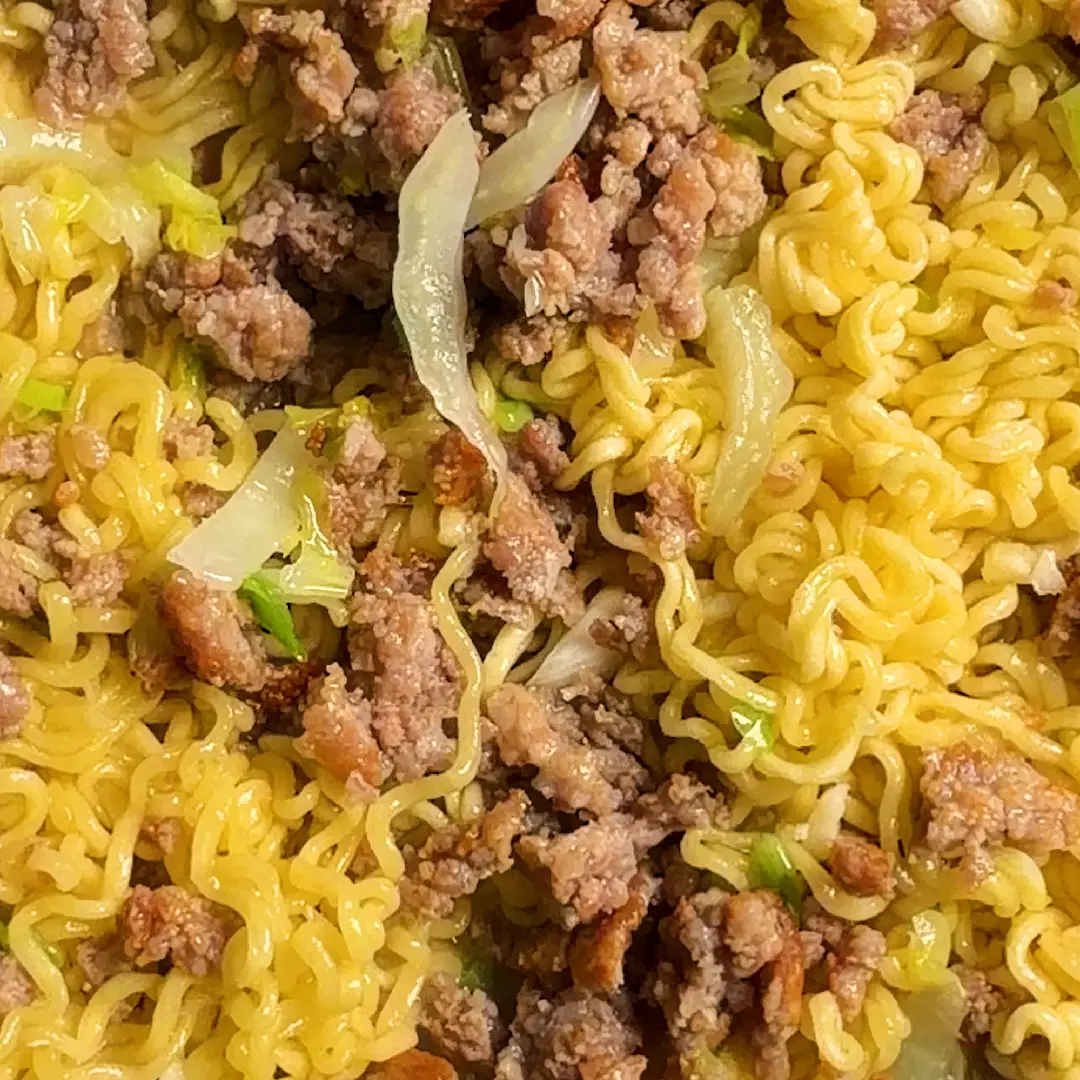
Water plus instant ramen (seasoning packets discarded) goes in directly, and the noodles cook in the pan absorbing everything. Toss for 3 or 4 minutes until glossy and fully coated. Spaghetti, rice noodles, linguine, or fresh noodles all work as substitutes. The flavor base is what matters.
Crisp the Pork
Add Aromatics
Add Noodles and Sauce
Finish
Let the pork truly brown — don’t stir too early.
Use both scallion whites and greens for depth and freshness.
Light soy sauce in most Western grocery stores is simply labeled “soy sauce.” Dark soy sauce is thicker and darker and used mainly for color.
Taste before adding extra salt — soy sauce provides most of the seasoning.
You can substitute spaghetti, rice noodles, egg noodles, or even linguine. Cook until just al dente and toss the same way. The flavor profile still works beautifully.
This is excellent! Easy to follow and tastes so good using the fresh ginger, garlic, and scallions. I doubled it for my family of 5. Will be making again and again!
Made this tonight after seeing a TikTok last night. So easy and good. Would easily be great for a crowd.
Nice dish, quick and simple with great taste!
So good! My kids ate it up and didn’t leave leftovers.
Really delicious and easy to cook. Thanks for this recipe
Thanks for this delicious recipe
Twenty years cooking Korean, Chinese, and Japanese food, simplified for weeknight kitchens. Cooking professionally out of Seattle.