Recipe
Honey Garlic Stir-Fried Udon

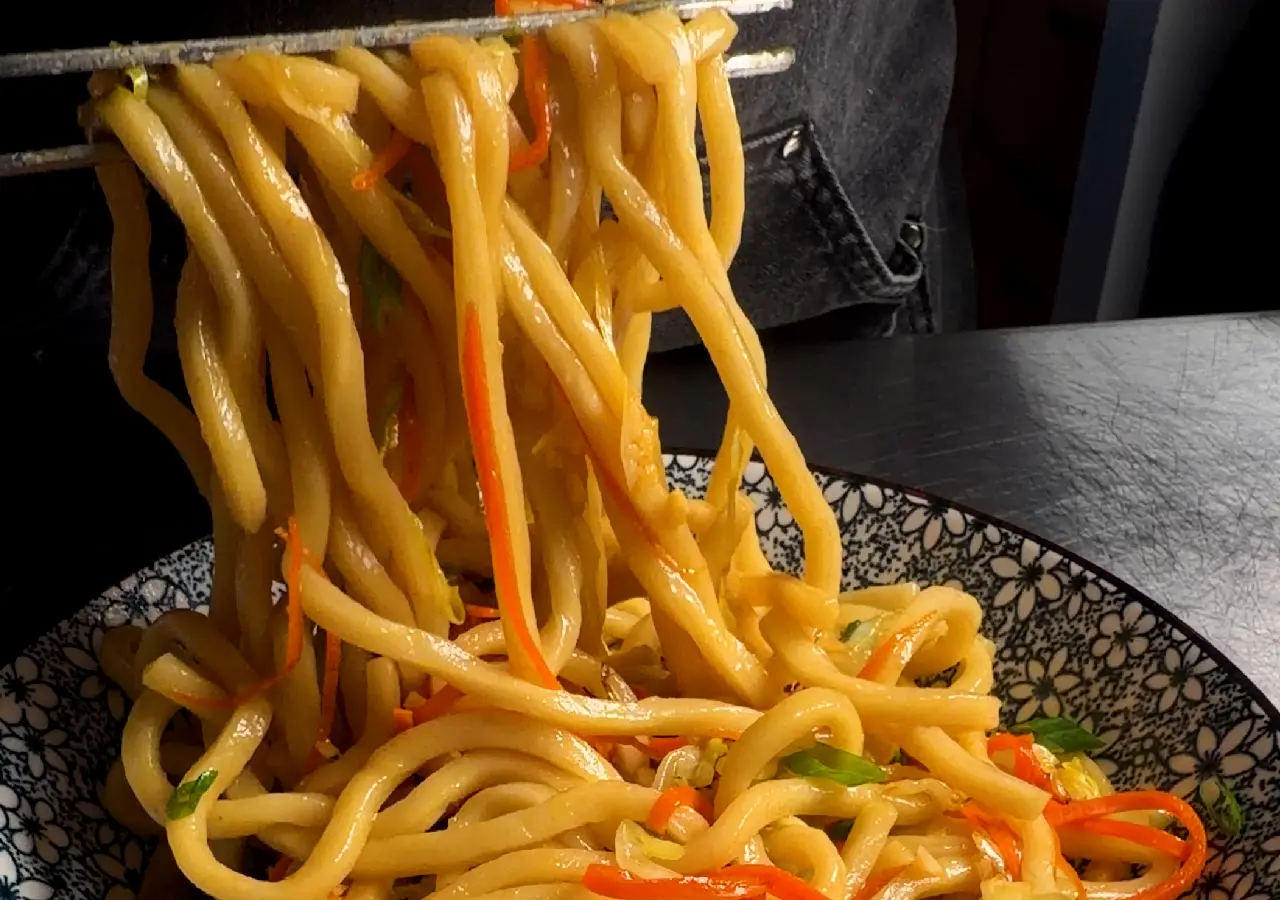
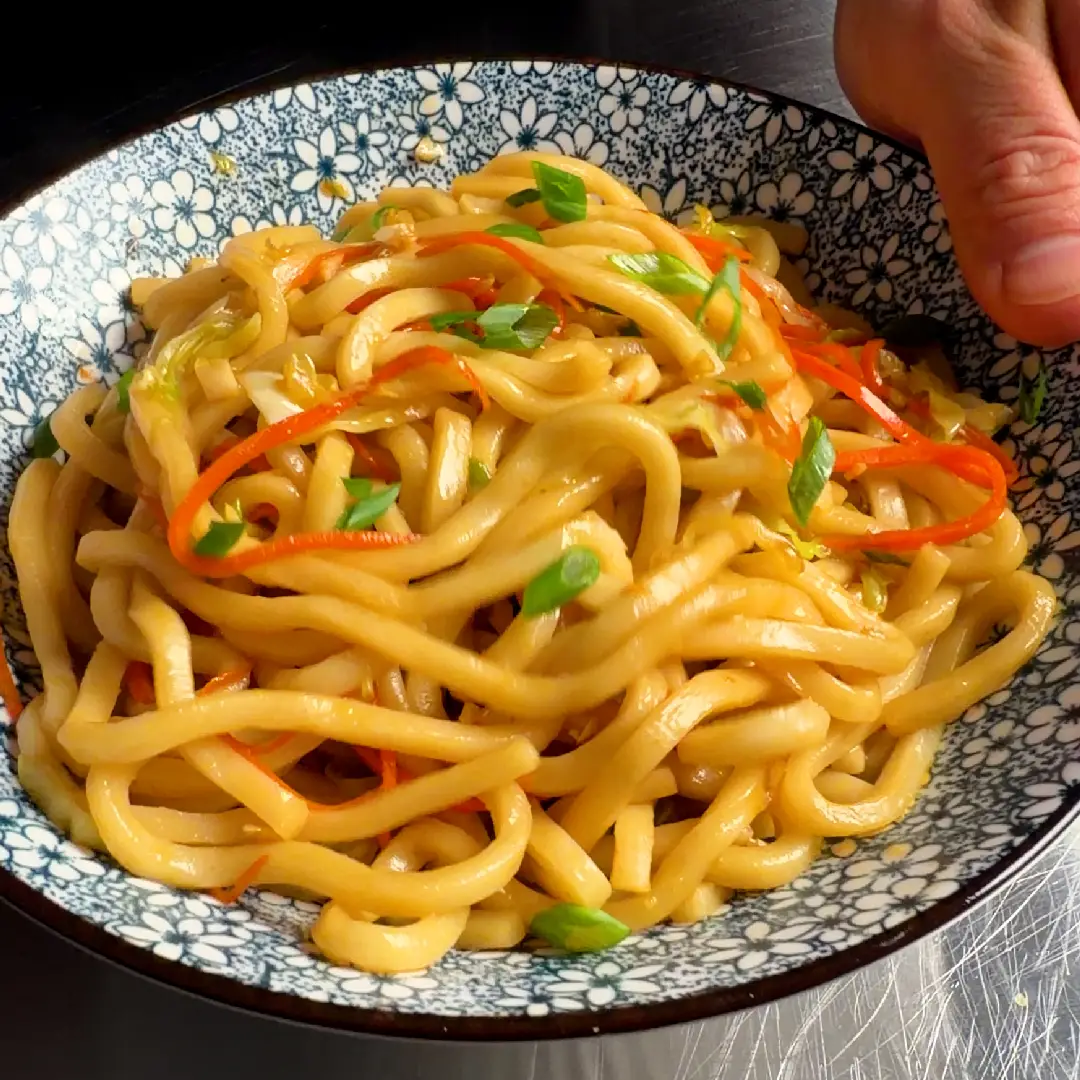
Sticky, glossy honey garlic noodles with lightly charred cabbage and chewy udon. Sweet honey, salty soy, sharp garlic, and a splash of vinegar keep it balanced and addictive.
Sticky, glossy honey garlic noodles with lightly charred cabbage and chewy udon. Sweet honey, salty soy, sharp garlic, and a splash of vinegar keep it balanced and addictive.
▶ Watch
Some product links are Amazon affiliate links. As an Amazon Associate I earn from qualifying purchases at no extra cost to you.
Udon is the thickest wheat noodle in the noodle world, and its signature character is chew. A properly cooked udon strand is almost bouncy, with a slight resistance that regular wheat noodles don't have. Because the noodle itself is so substantial, the sauce it carries needs to be equally heavy to balance the bite. A watery sauce disappears against an udon strand.
Honey does two jobs in this sauce. It adds a floral sweetness that oyster sauce and soy can't provide on their own, and it adds the sticky quality that makes the sauce cling to something as thick as udon. Without the honey, the sauce would slide off.
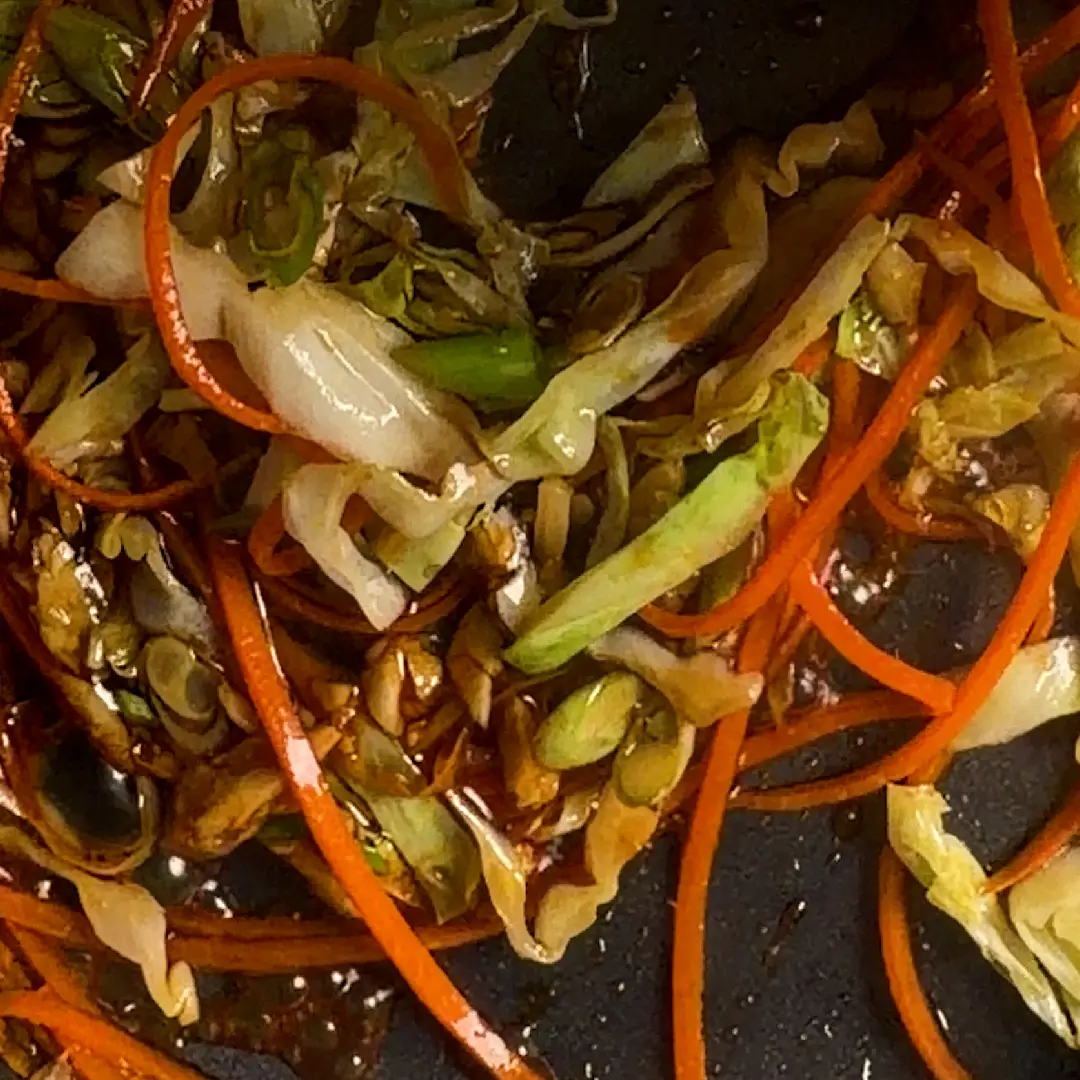
The cabbage goes first. Shredded green cabbage spread in an even layer in hot oil, left undisturbed for 1 to 2 minutes so the edges develop light browning. This is the texture move. Most home cooks overcook cabbage into a soft wet pile. Slightly charred, slightly crisp cabbage is the right texture for this dish.
Carrots join the cabbage for a couple more minutes. Then minced garlic, scallion whites, soy sauce, rice vinegar, oyster sauce, and honey. Thirty seconds in the hot pan and the sauce is fragrant and glossy. A splash of water helps it tighten into a proper glaze.
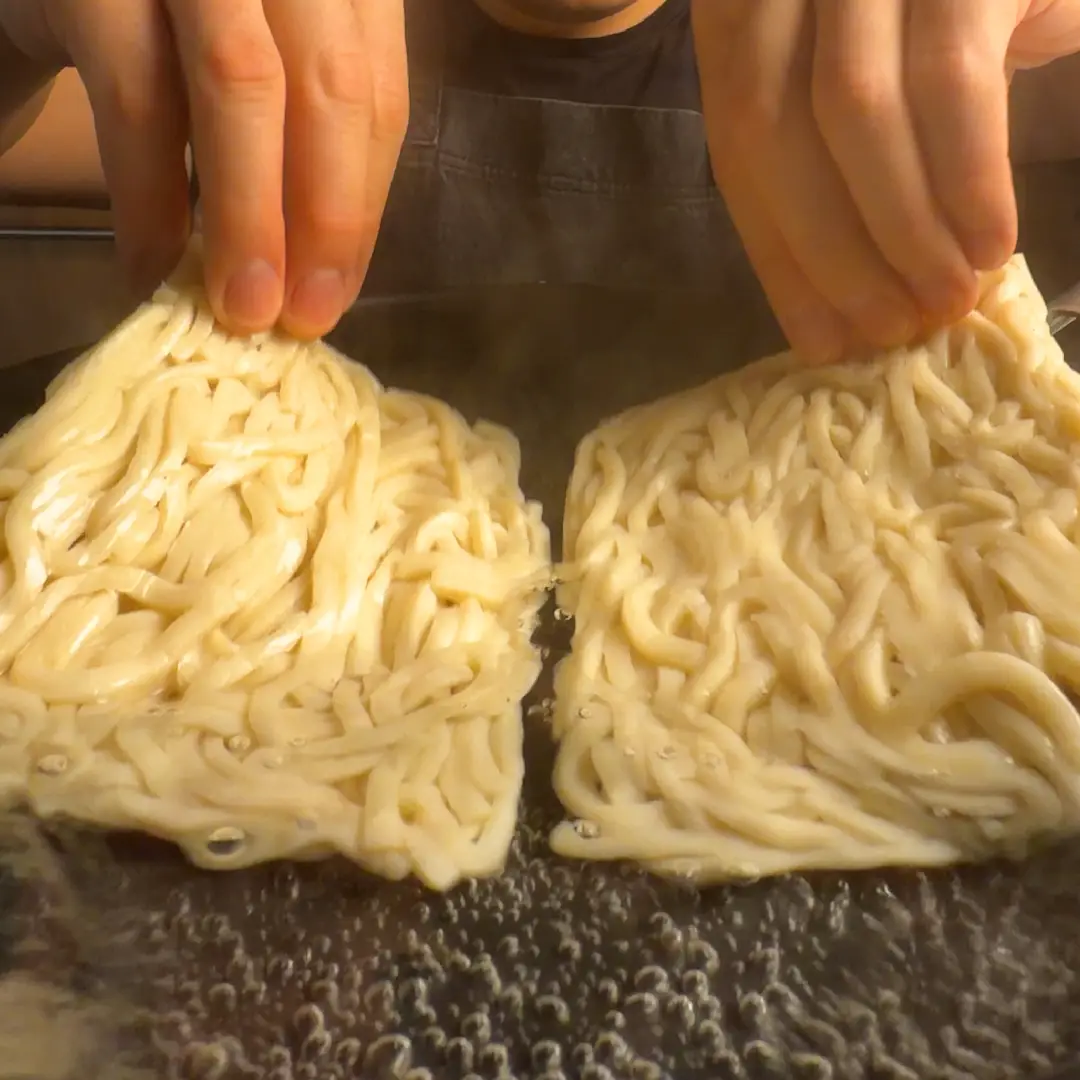
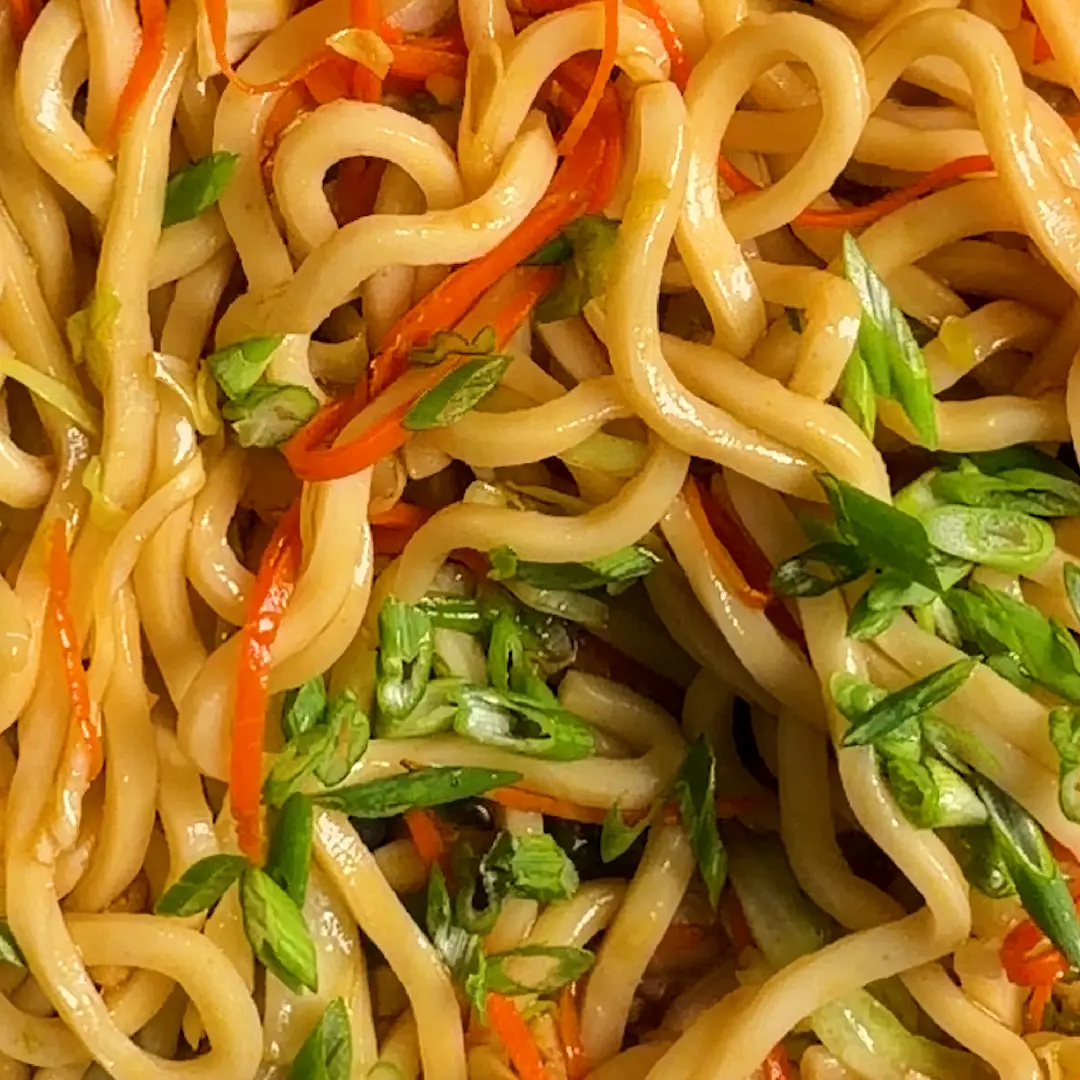
Udon drops in last. Handle it gently. Fresh or packaged udon blocks are easy to break before they're heated through. Toss carefully until every strand is coated and glossy. If the sauce tightens too fast, a splash of noodle water loosens it back up. Scallions on top, chili flakes if you want heat. It's a dish you can upgrade with shrimp or chicken if you want, but it stands alone as a full dinner.
Cook the Udon
Char the Cabbage
Build the Sauce
Toss the Noodles
Finish
No reviews yet. Be the first!
Twenty years cooking Korean, Chinese, and Japanese food, simplified for weeknight kitchens. Cooking professionally out of Seattle.