Vodka sauce has a reputation for needing vodka, but the alcohol itself is the least important ingredient in the sauce. What vodka actually does is emulsify fat-soluble and water-soluble flavors from tomato paste and cream into a single glossy sauce. Once you know that's the purpose, you can replicate the effect with proper technique and skip the vodka entirely.
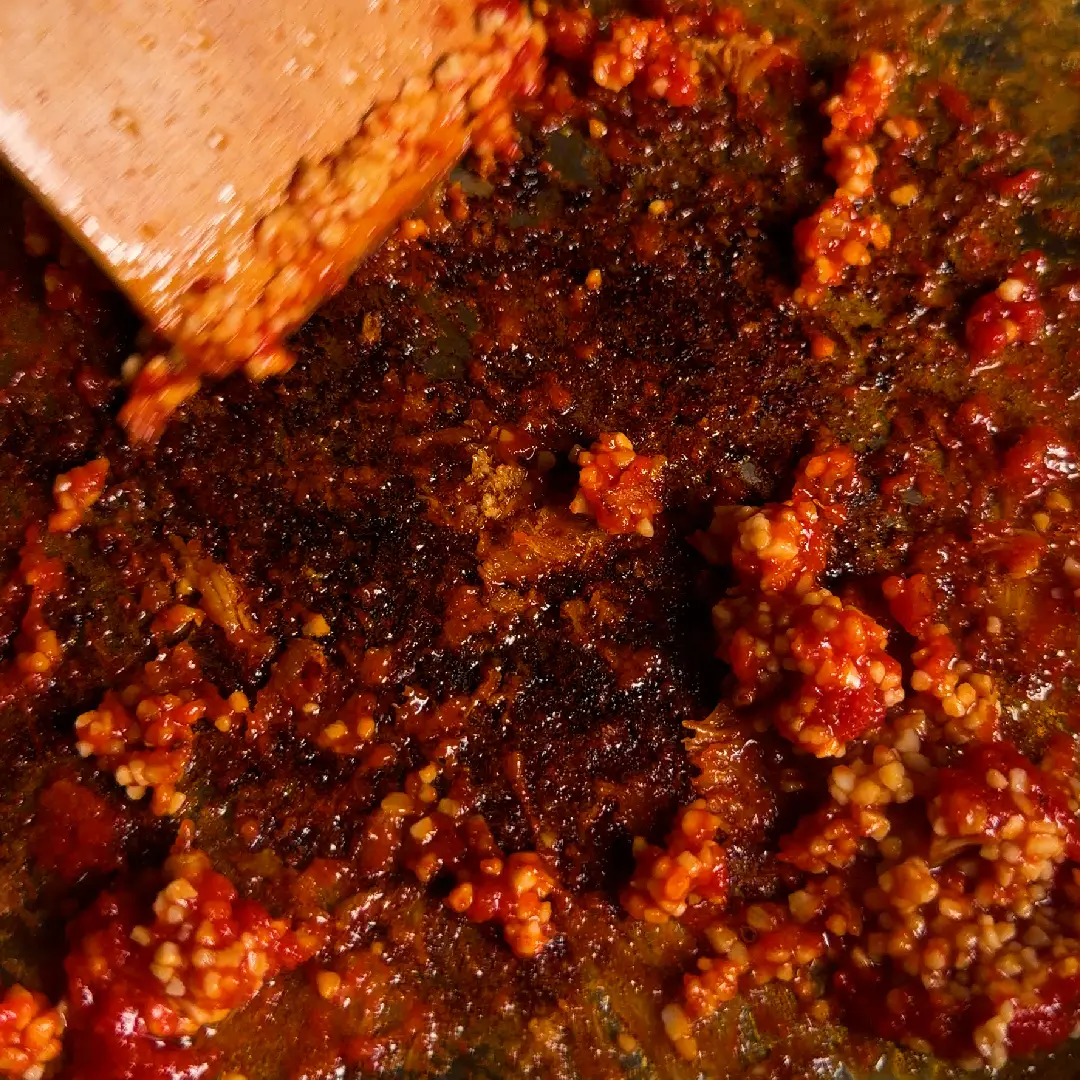
The trick is blooming the tomato paste. Tomato paste has a raw, metallic tang when it's added to liquid without cooking. Bloom it in hot fat for 90 seconds to 2 minutes, stirring constantly, and the taste transforms. It darkens, sweetens, and turns glossy. The sugars caramelize, the acid rounds out, and what was raw paste becomes a deep tomato base. This step alone replaces most of what vodka contributes.
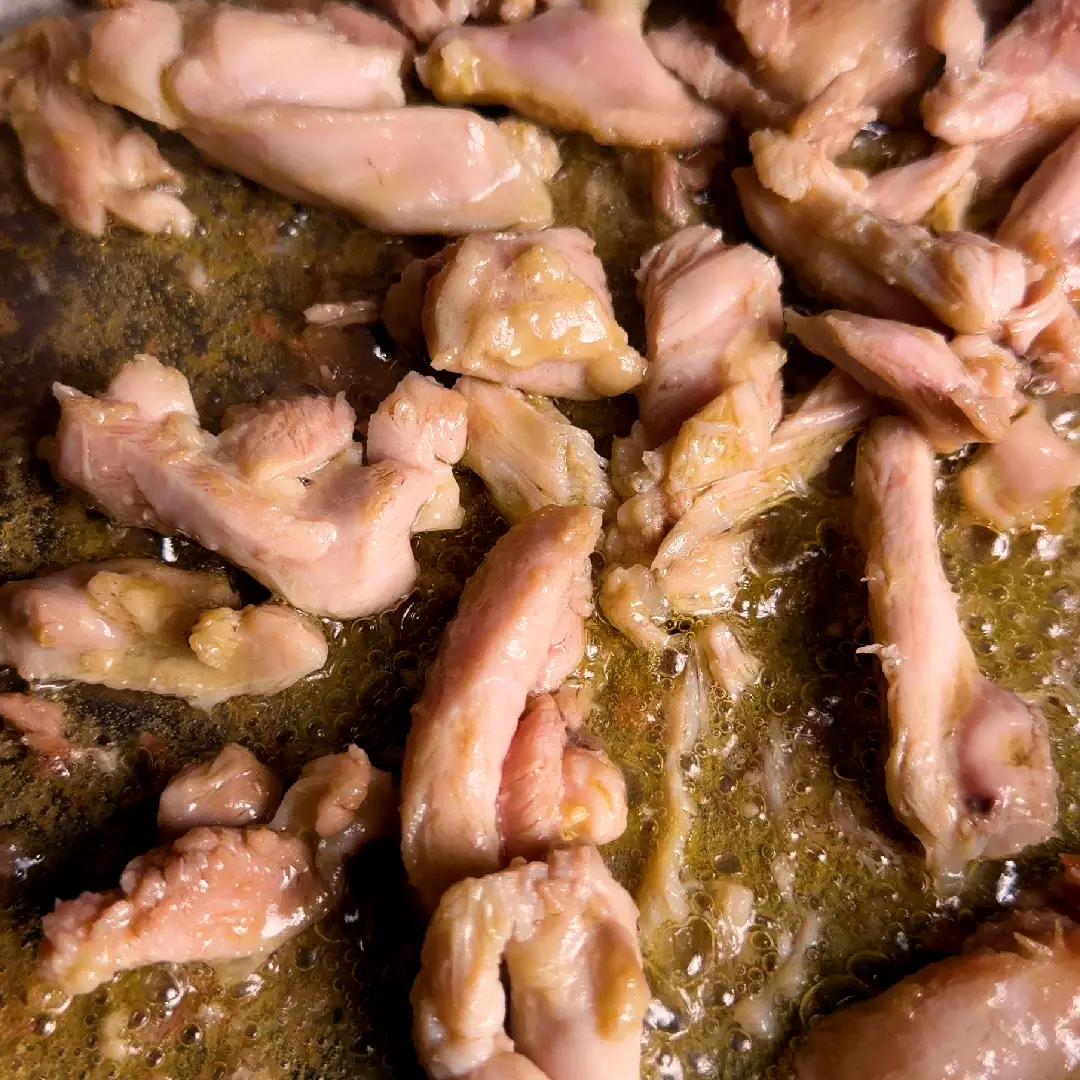
The chicken comes first. Bite-size pieces seared in olive oil over medium-high for 3 to 4 minutes until golden on all sides. Pull the chicken and leave the fond in the pan. Garlic goes in briefly, then tomato paste and chili flakes bloom in the chicken fat for that 90-second transformation.
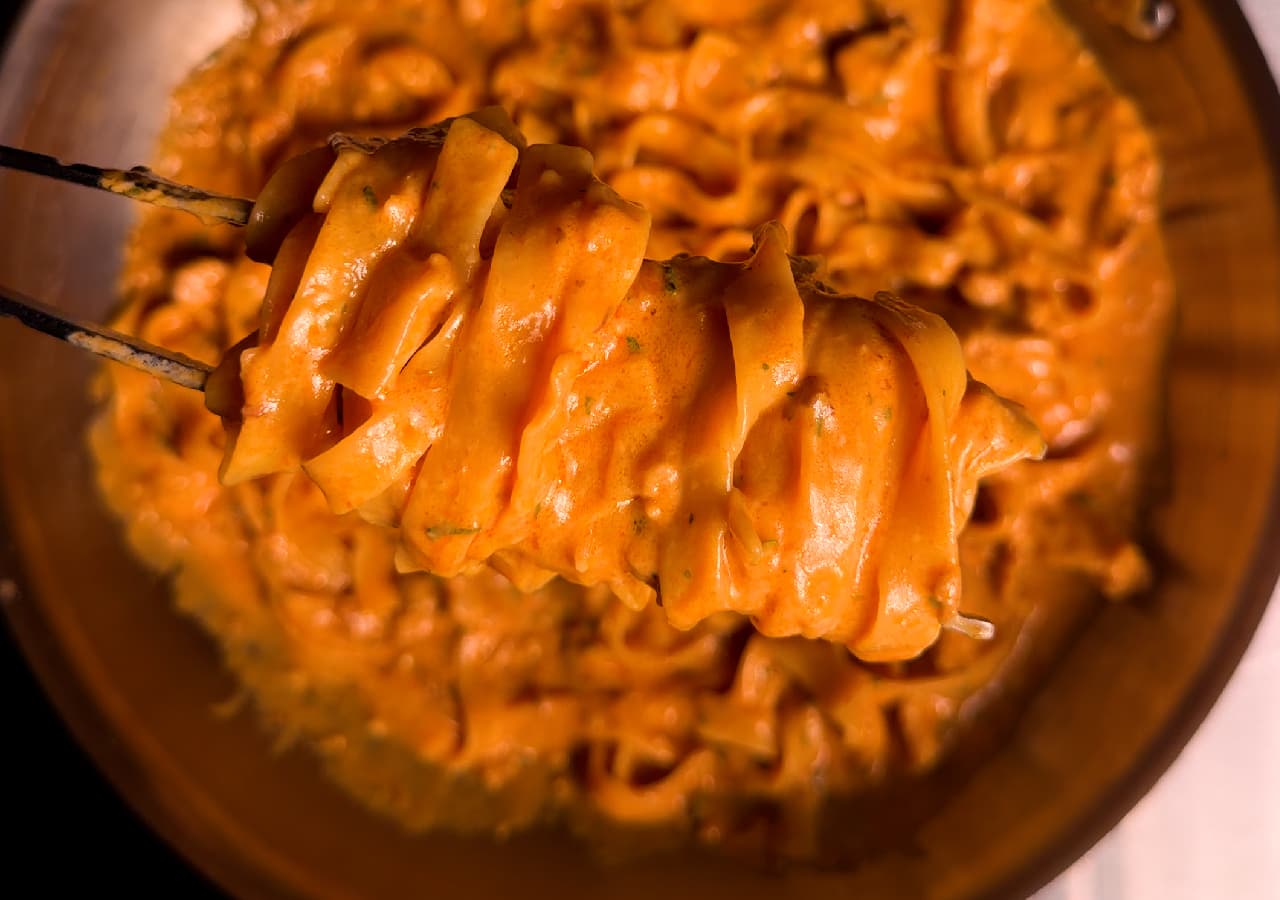
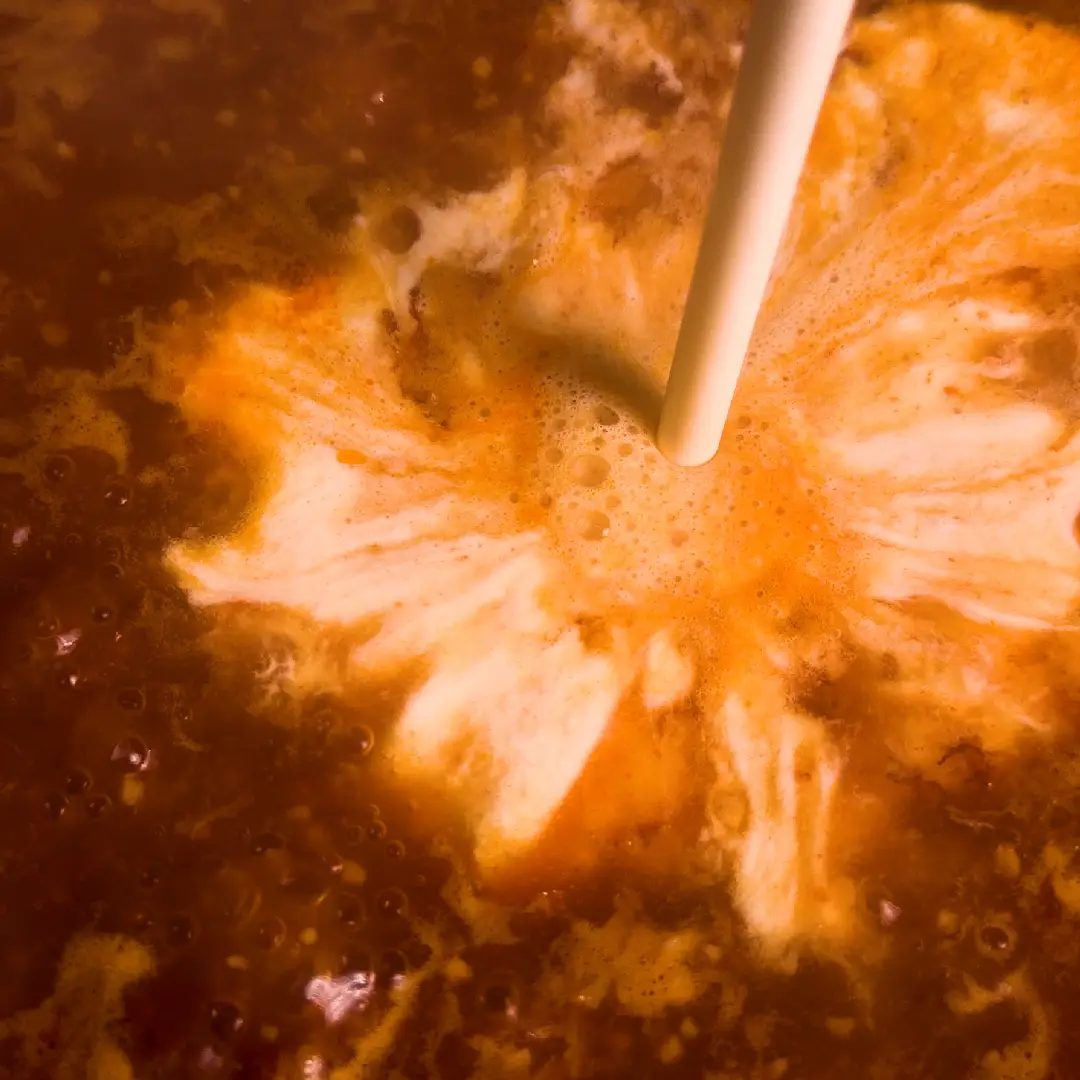
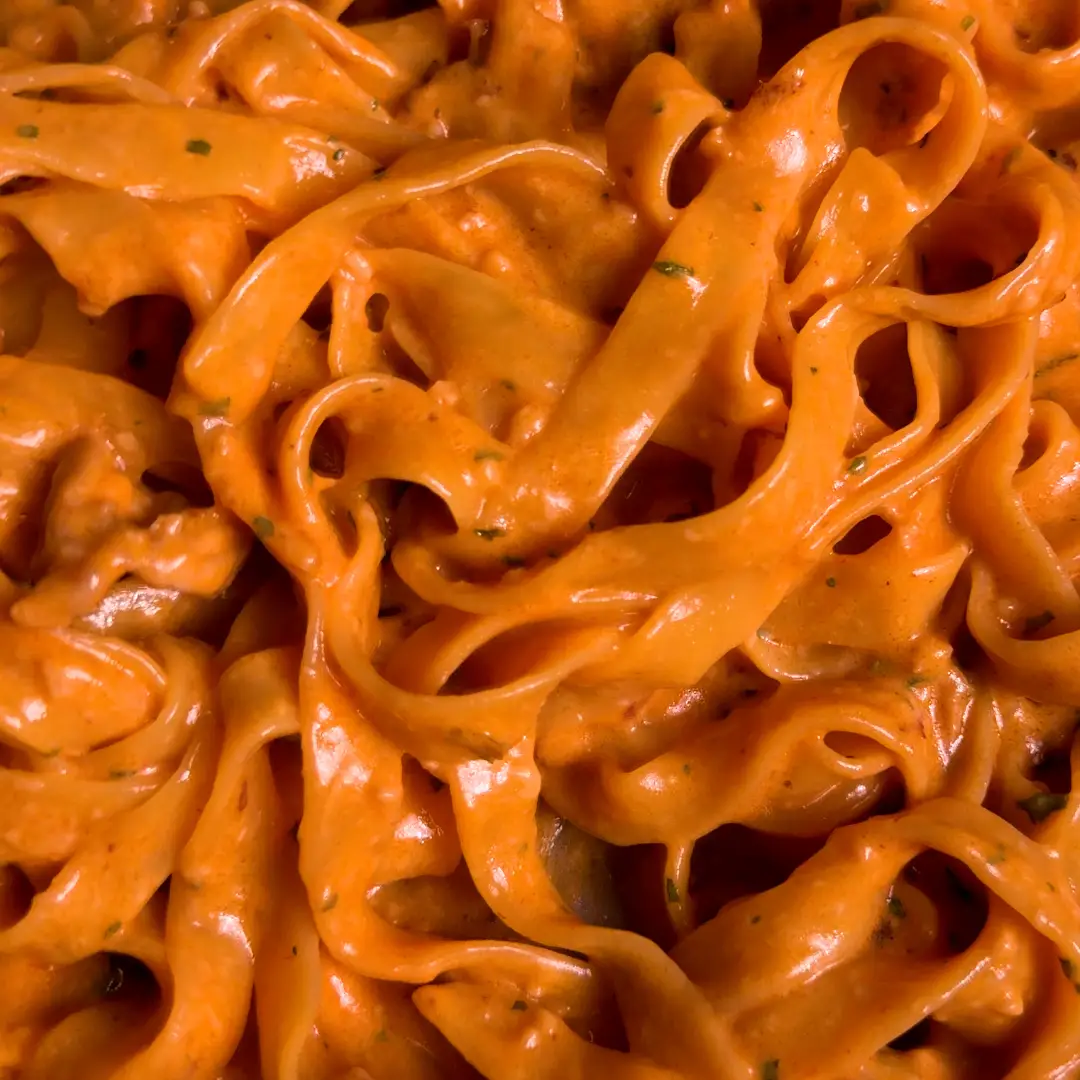
Chicken broth deglazes the pan, dissolving the fond and the tomato base into a unified liquid. Heavy cream goes in next, turning the sauce from red to pink-orange. Dry pasta goes in directly (penne is traditional, fettuccine works). The pasta cooks in the sauce, releasing starch that thickens everything into the signature glossy vodka-sauce consistency.
Stir frequently to prevent the pasta from sticking to the pan. Ten to twelve minutes and the pasta is tender and the sauce has reduced to a clingy coating. Chicken back in, grated parmesan stirred in off heat. Basil or parsley chopped on top. A final crack of pepper. It tastes like vodka sauce to anyone eating it, and no one has to know the secret.