Recipe
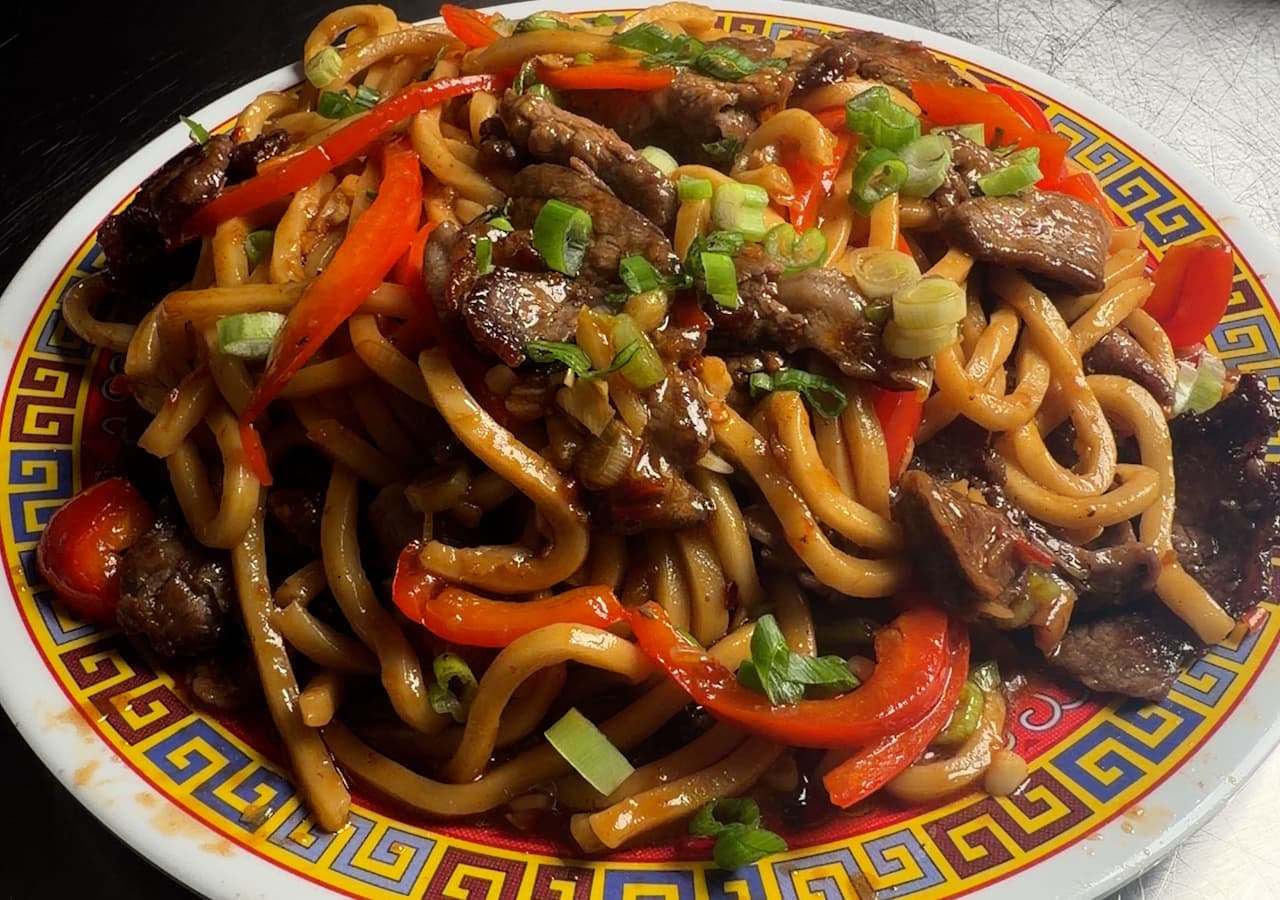
Spicy Crispy Beef Noodles

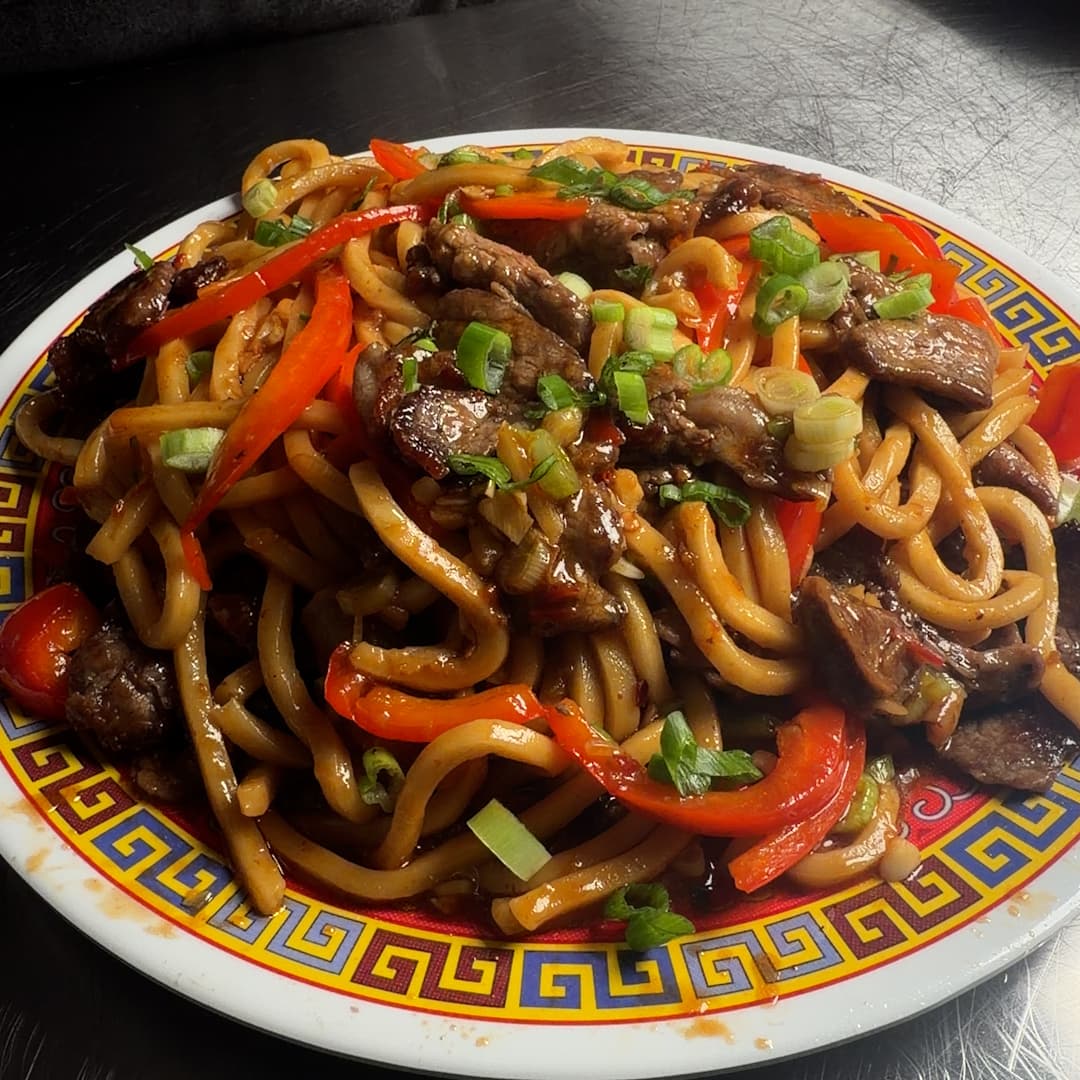
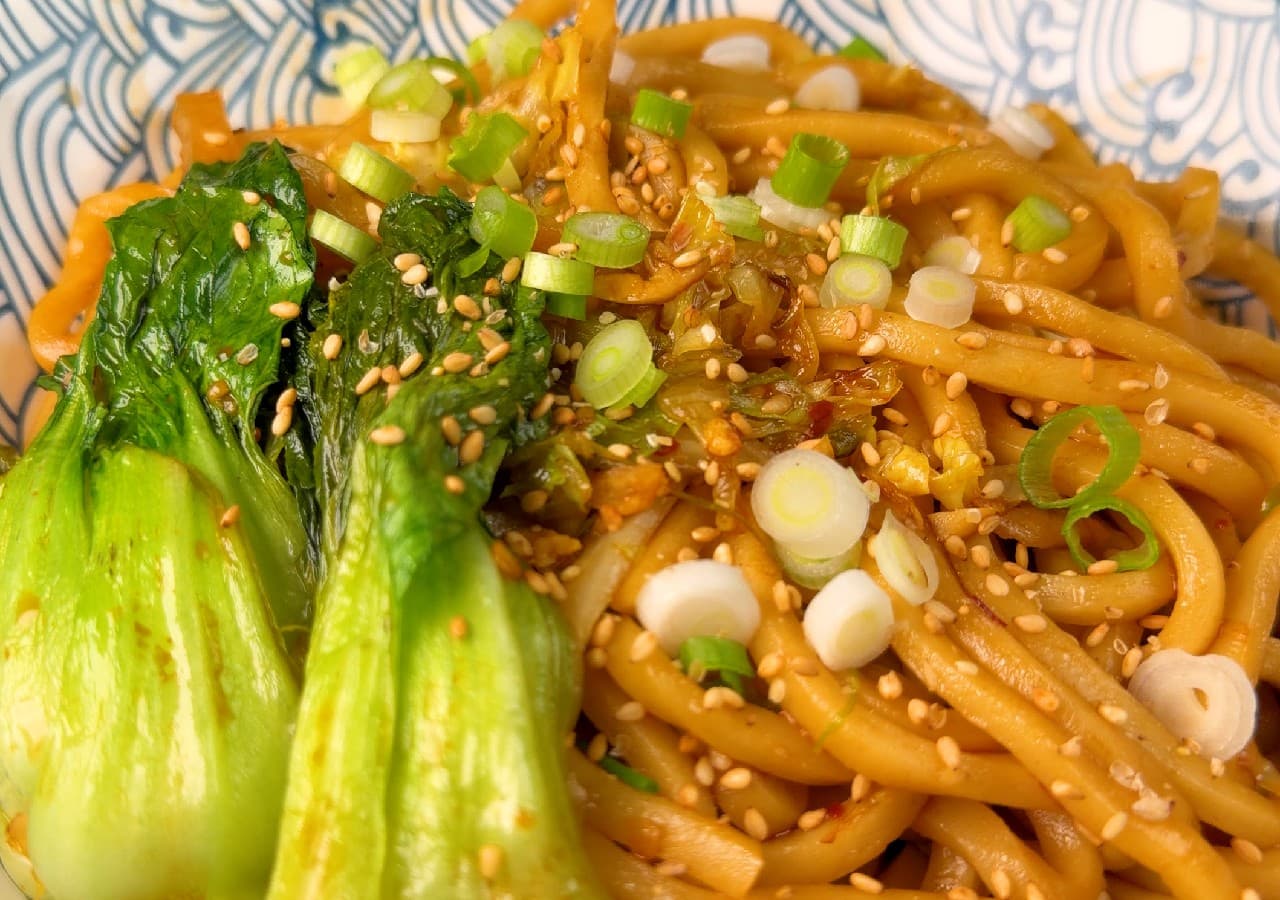
Thinly sliced beef flash-fried until crispy-edged in a bold Sichuanese chili bean sauce, served over thick chewy udon noodles.
Thinly sliced beef flash-fried until crispy-edged in a bold Sichuanese chili bean sauce, served over thick chewy udon noodles.
▶ Watch
Some product links are Amazon affiliate links. As an Amazon Associate I earn from qualifying purchases at no extra cost to you.
Doubanjiang is the fermented Sichuan broad bean and chili paste that's the backbone of mapo tofu, twice-cooked pork, and dozens of other Sichuan classics. Most Americans have never cooked with it, and that's a loss, because it delivers a layered heat and umami depth that no single other ingredient can match. Fermented, salty, deeply chili-red, it transforms any dish it touches.
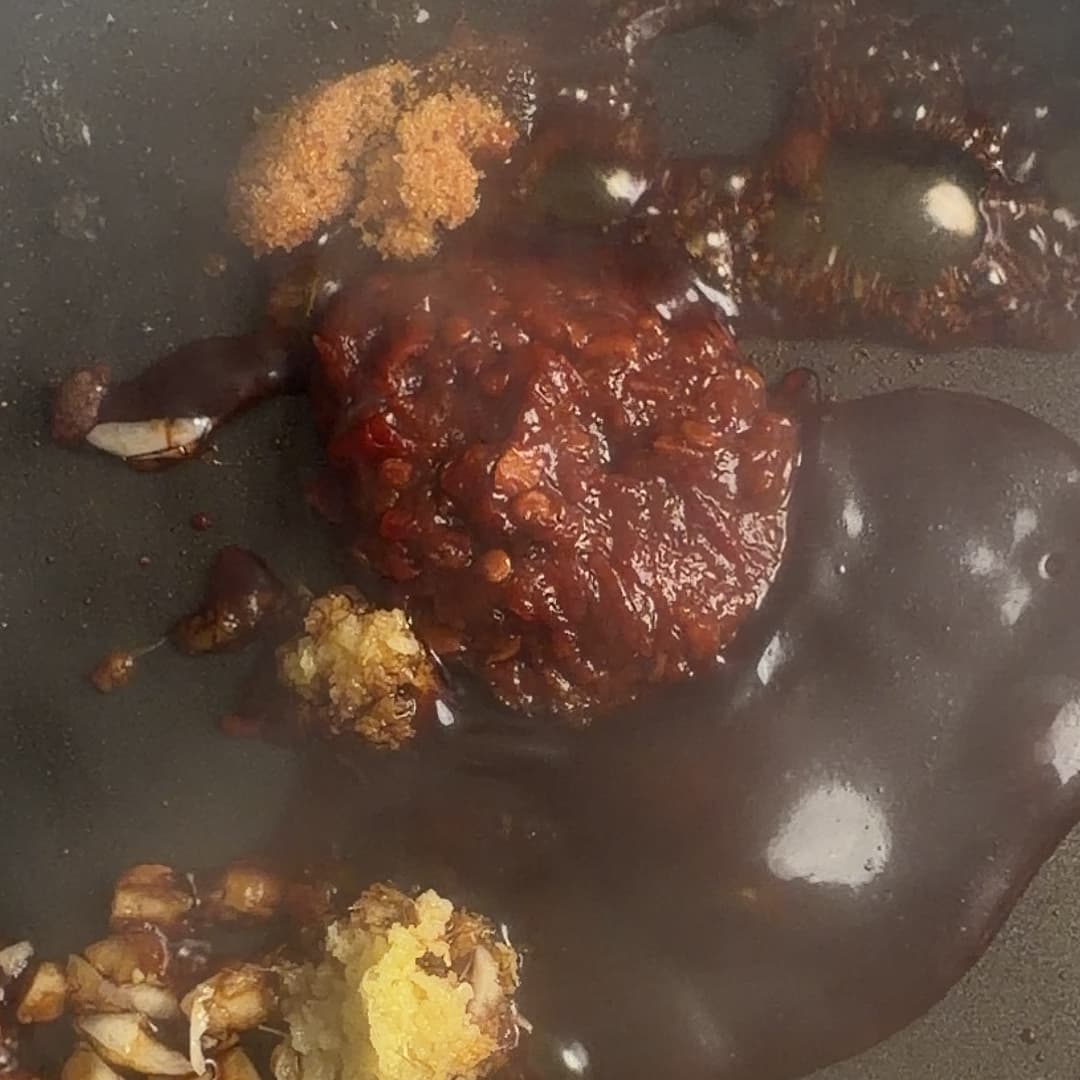
The key technique is blooming doubanjiang in hot oil. The paste has oils locked inside the fermented chilies and beans that only release when fried briefly at high heat. Thirty seconds of sizzle in hot oil turns the paste from dull brown-red to vibrant brick red, and the flavor transforms correspondingly from raw fermented paste to deep, complex, layered heat. Skip this step and the sauce will taste flat.
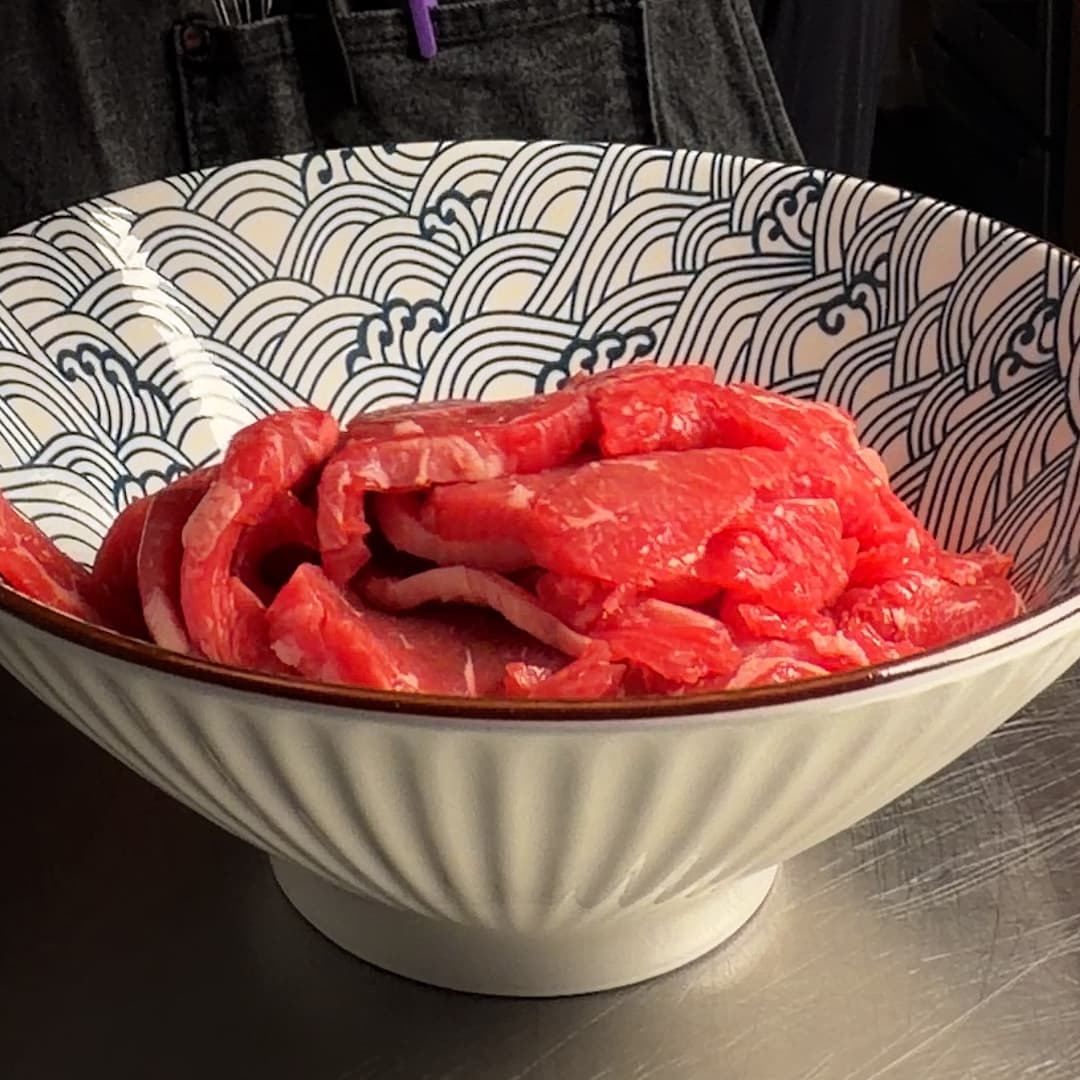
The beef comes first. Thin-slice flank steak or sirloin against the grain (partially freeze for 20 minutes if that helps). Pat dry, season with salt and pepper, toss in cornstarch until every slice is evenly coated. The cornstarch does two jobs: it creates a crispy edge on the beef when it hits hot oil, and it slightly thickens the sauce as it cooks.
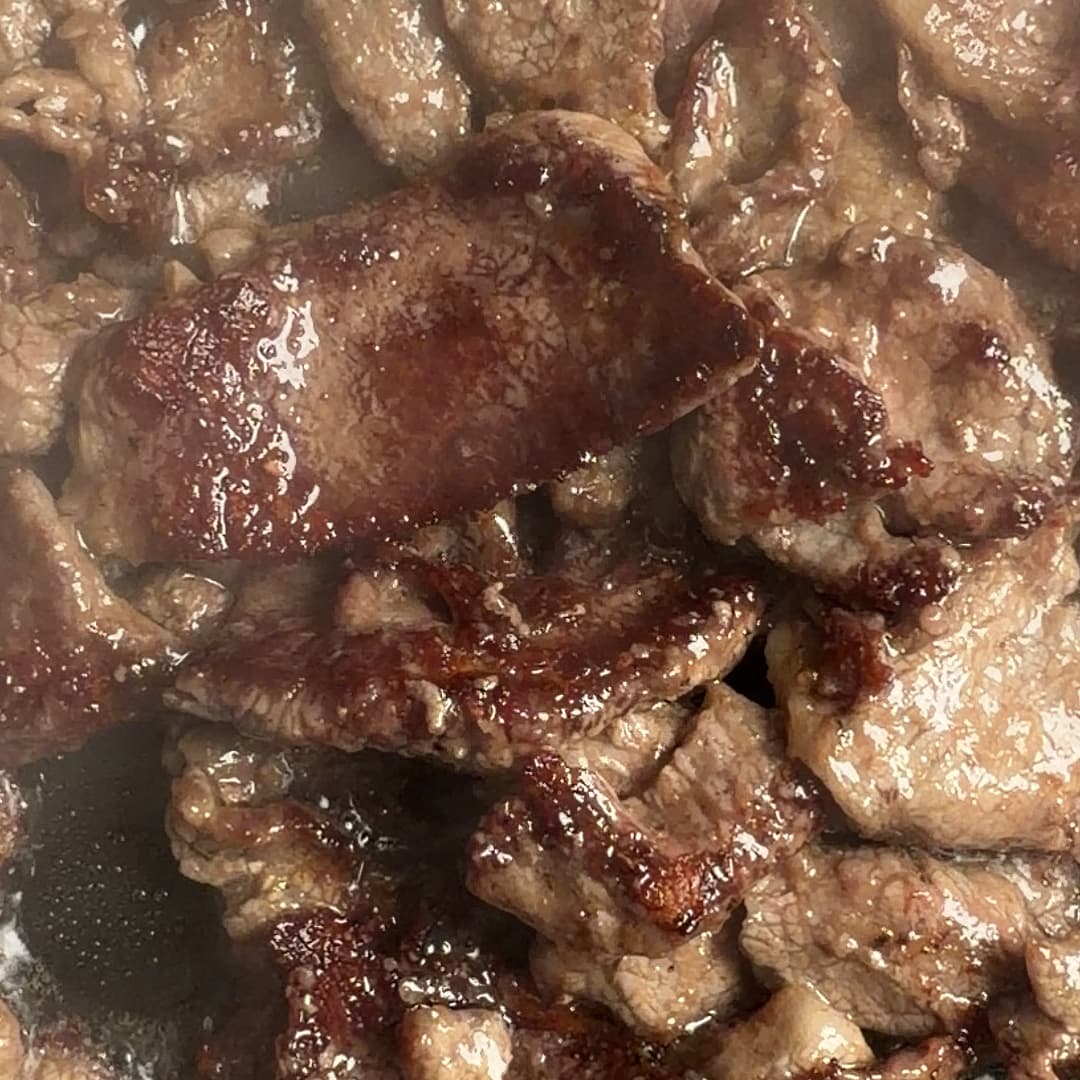
Sear the beef over the highest heat possible. Single layer, 60 to 90 seconds, don't touch. The edges should be crispy and slightly charred. Pull the beef and set aside.
The sauce builds on top of the residual oil. Garlic and ginger for 20 seconds. Doubanjiang for 30 seconds to bloom. Then soy, oyster, brown sugar, sesame, and stock. Simmer to combine.
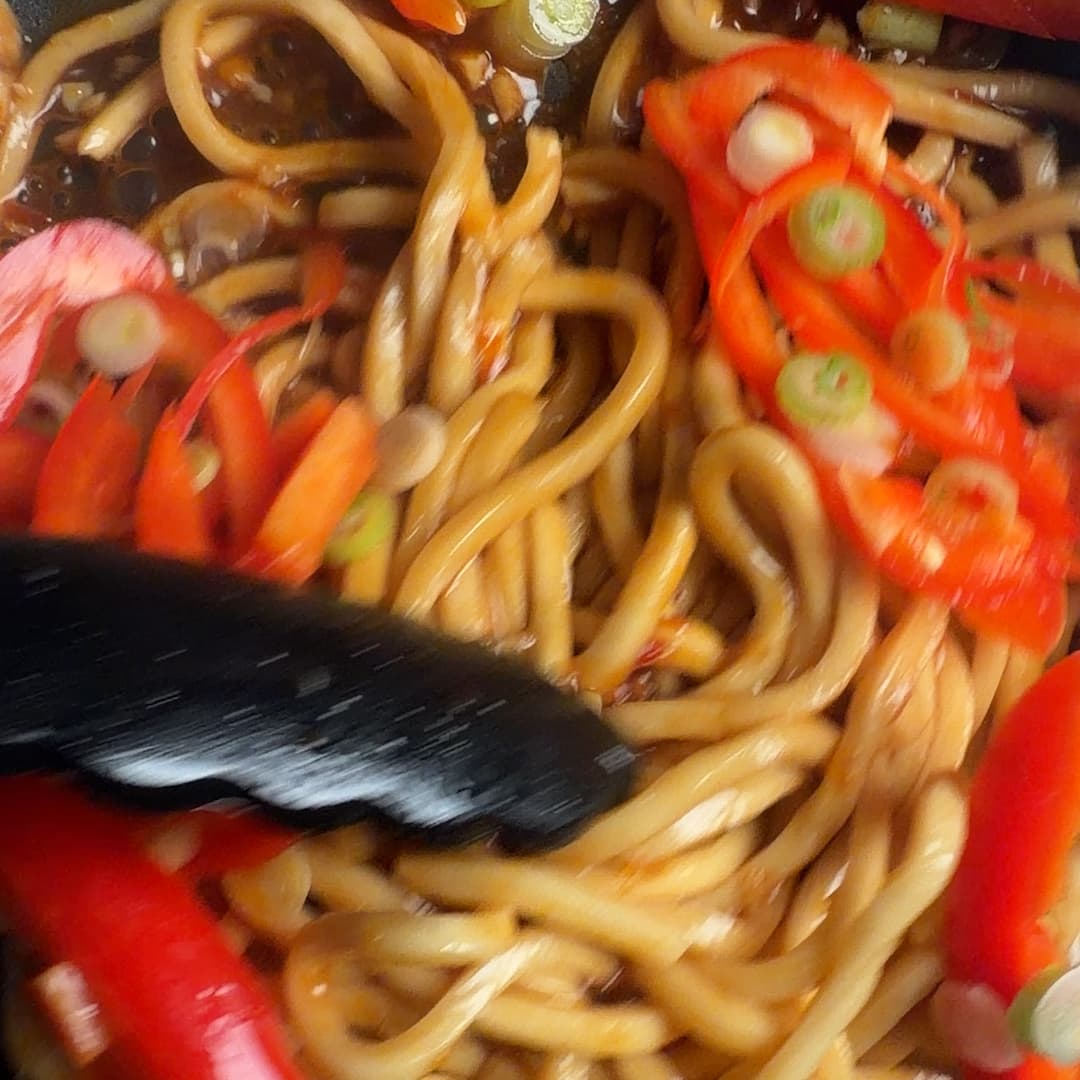
Fresh or frozen udon goes in directly. Toss gently (udon breaks easily before it heats through), let the noodles absorb the sauce for 2 to 3 minutes. Add red bell pepper for the last minute. Beef back on top. Scallions, sesame, chili oil drizzle. Restaurant-level at home.
Beef
Sauce
Noodles
No reviews yet. Be the first!
Twenty years cooking Korean, Chinese, and Japanese food, simplified for weeknight kitchens. Cooking professionally out of Seattle.