Recipe
Taiwanese Fried Chicken over Rice

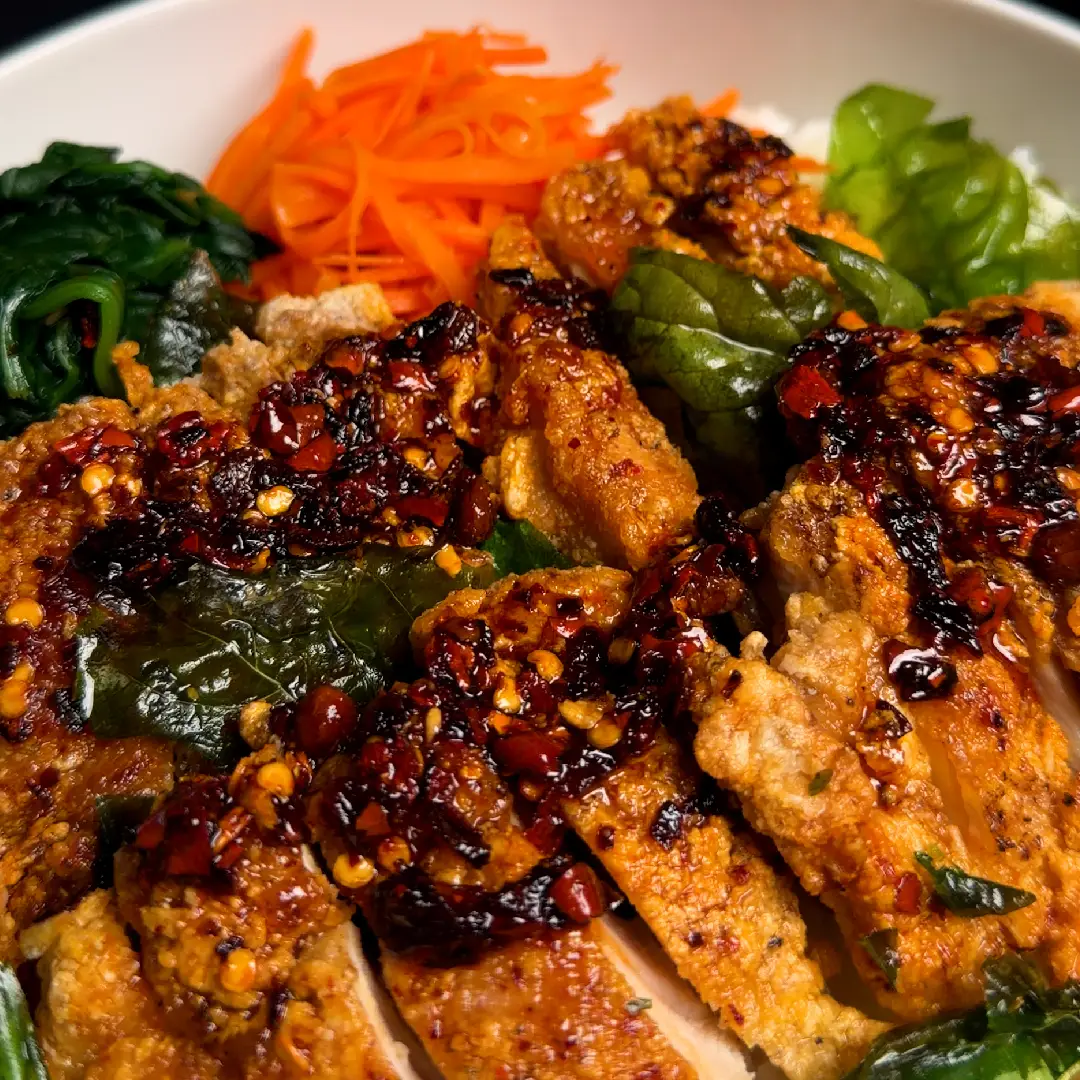
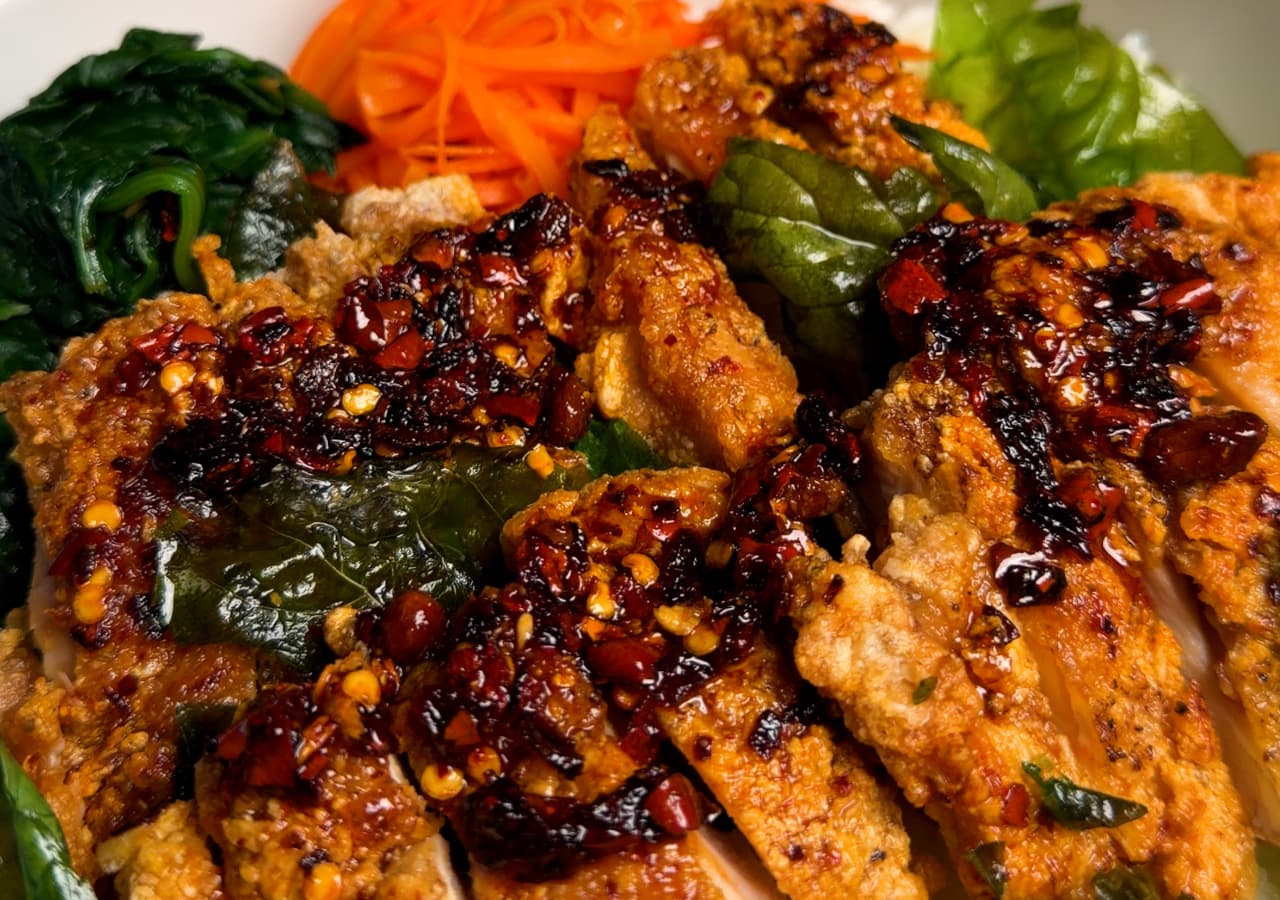
Crispy, craggy fried chicken tossed lightly in a chili-crisp glaze and finished with fragrant fried basil.
▶ Watch
Crispy, craggy fried chicken tossed lightly in a chili-crisp glaze and finished with fragrant fried basil.
▶ Watch
Some product links are Amazon affiliate links. As an Amazon Associate I earn from qualifying purchases at no extra cost to you.
Taiwanese fried chicken has a specific craggy, shattering crust that's completely different from American fried chicken, and the reason is sweet potato starch. Unlike cornstarch or flour, sweet potato starch fries up into irregular, rough, craggy edges because it doesn't form a smooth batter. The result is a crust that crunches in a way no other coating can match. Cornstarch is an acceptable substitute, but sweet potato starch from an Asian grocery is worth the trip.
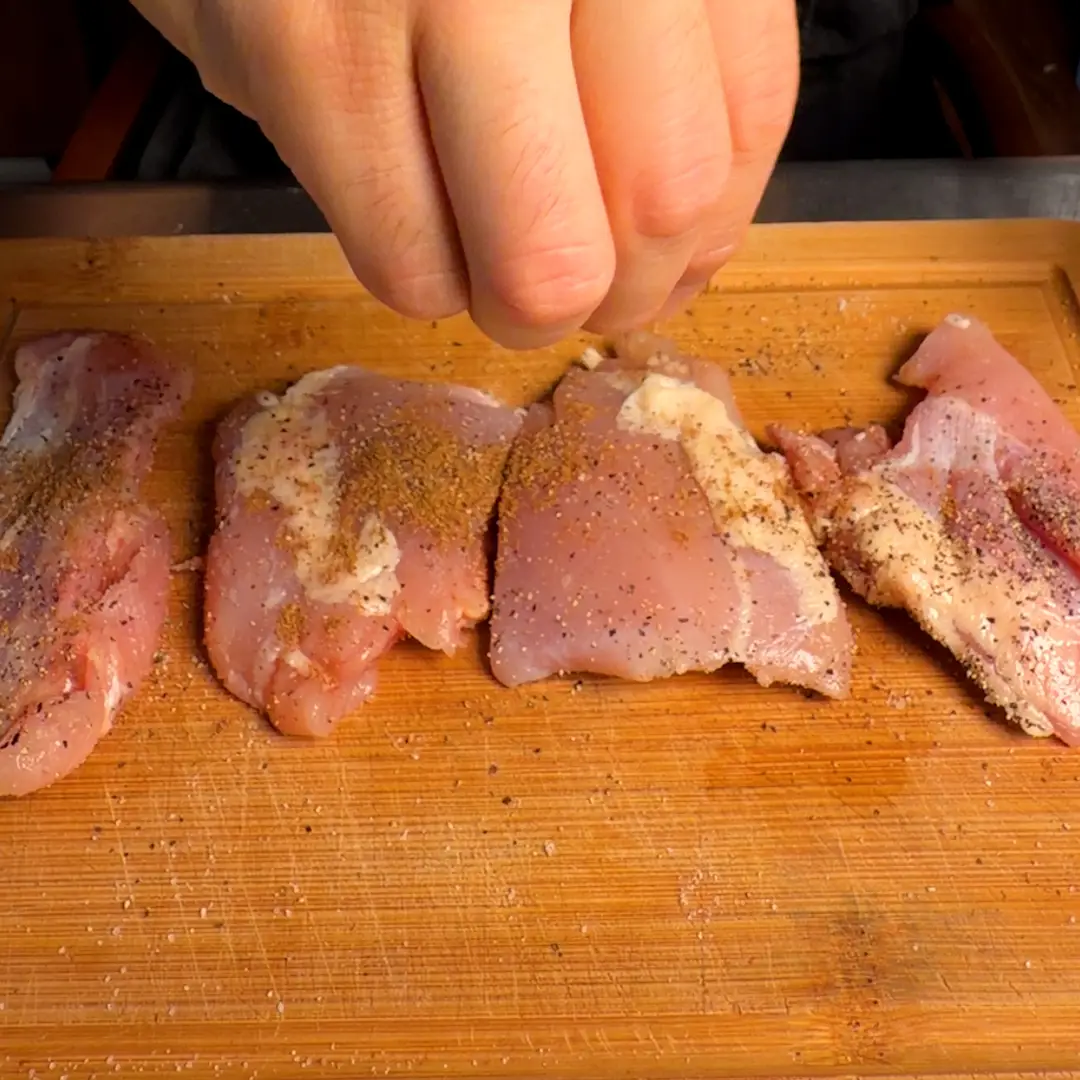
The seasoning goes on the chicken itself before any coating. Kosher salt, white pepper, and Chinese five-spice. Five-spice is what makes this taste Taiwanese rather than generic fried chicken. Its combination of star anise, clove, cinnamon, Sichuan peppercorn, and fennel creates a warm, slightly sweet, deeply aromatic flavor that penetrates the meat during marination.
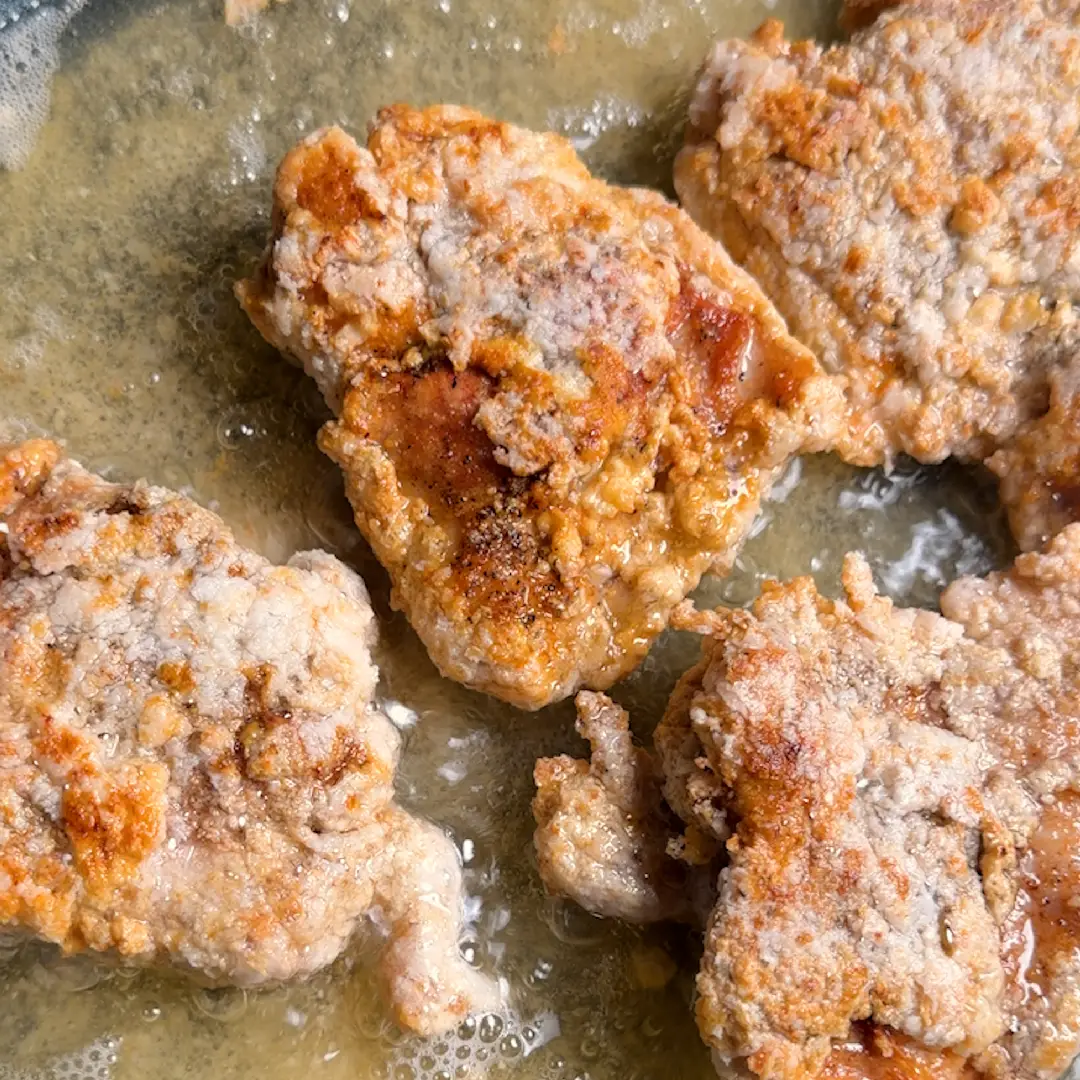
Egg is the binder. Mix into the seasoned chicken until evenly coated. Then the starch goes on top, tossed until the coating looks shaggy and dry, not smooth. Smooth-coated chicken fries up with a clean thin shell. Shaggy-coated chicken fries up craggy and textured.
Shallow-fry at 350 degrees until deeply golden and crisp. Drain on a wire rack, not paper towels, so the crust stays crunchy instead of steaming.
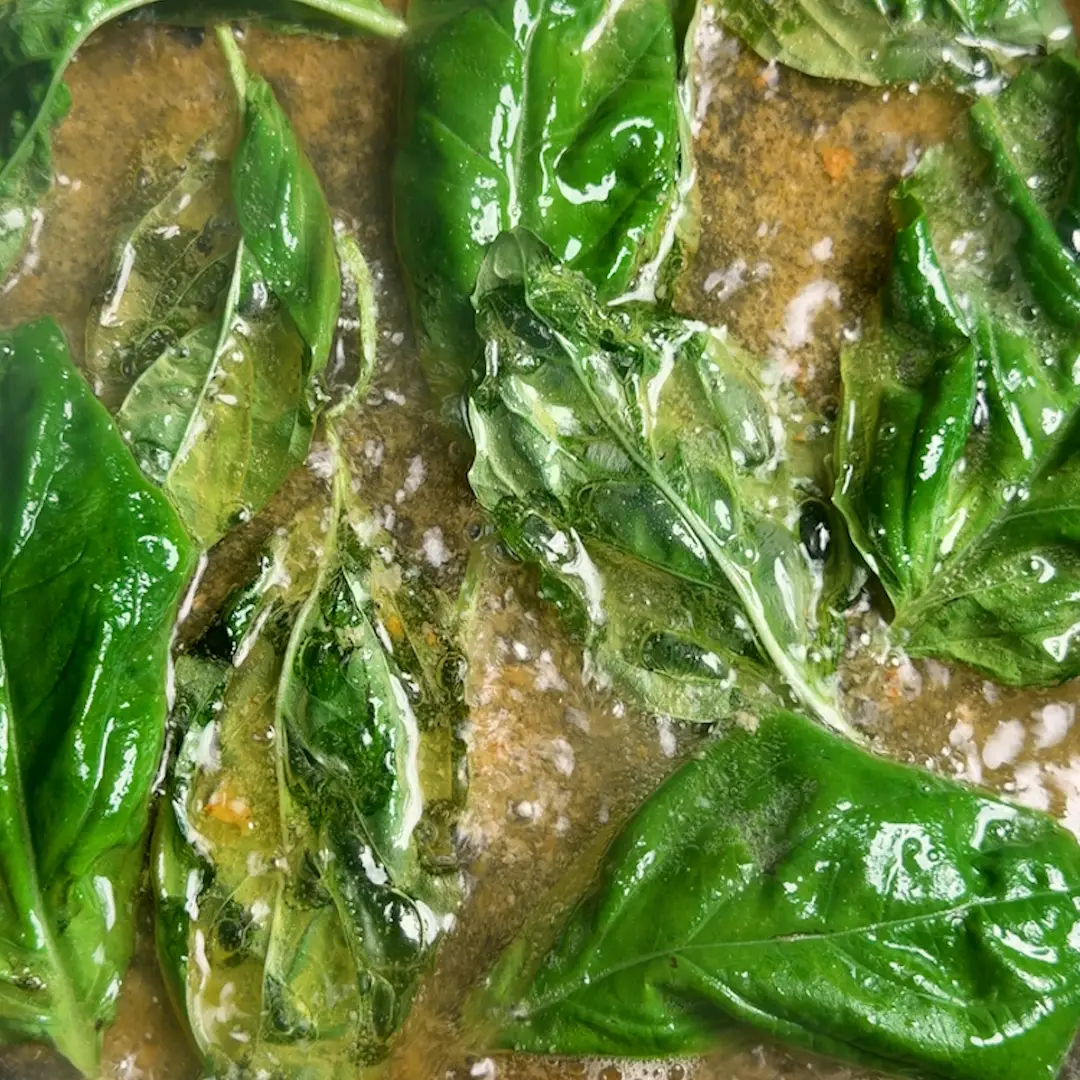
The fried basil is what makes this dish distinctly Taiwanese. Thai basil leaves, washed and completely dried, fried in the same hot oil for 10 to 15 seconds until bright green and crisp. Wet basil splatters dangerously. The fried leaves are aromatic, shatter when bitten, and add a fragrant note that balances the rich chicken.
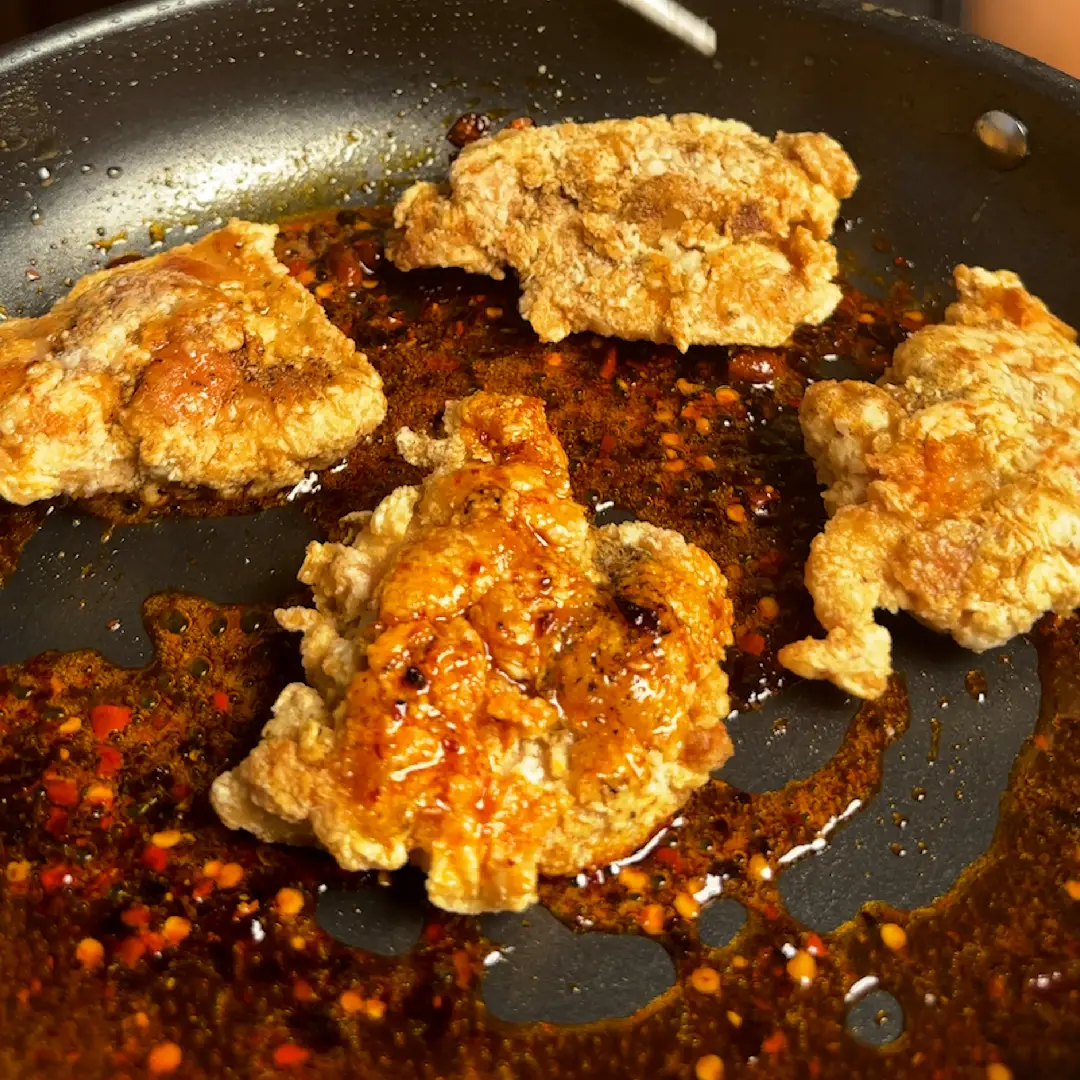
The light glaze is optional but recommended: chili crisp, soy, honey, rice vinegar, water. Toss the fried chicken briefly in the glaze off heat so the crust stays crisp. Pile over rice, scatter the fried basil, sliced scallions on top.
Season the Chicken
Fry the Chicken
Fry the Basil
Prepare the Glaze and Finish the Chicken
Serve
No reviews yet. Be the first!
Twenty years cooking Korean, Chinese, and Japanese food, simplified for weeknight kitchens. Cooking professionally out of Seattle.