Recipe · Main Course
Traditional Pad See Ew

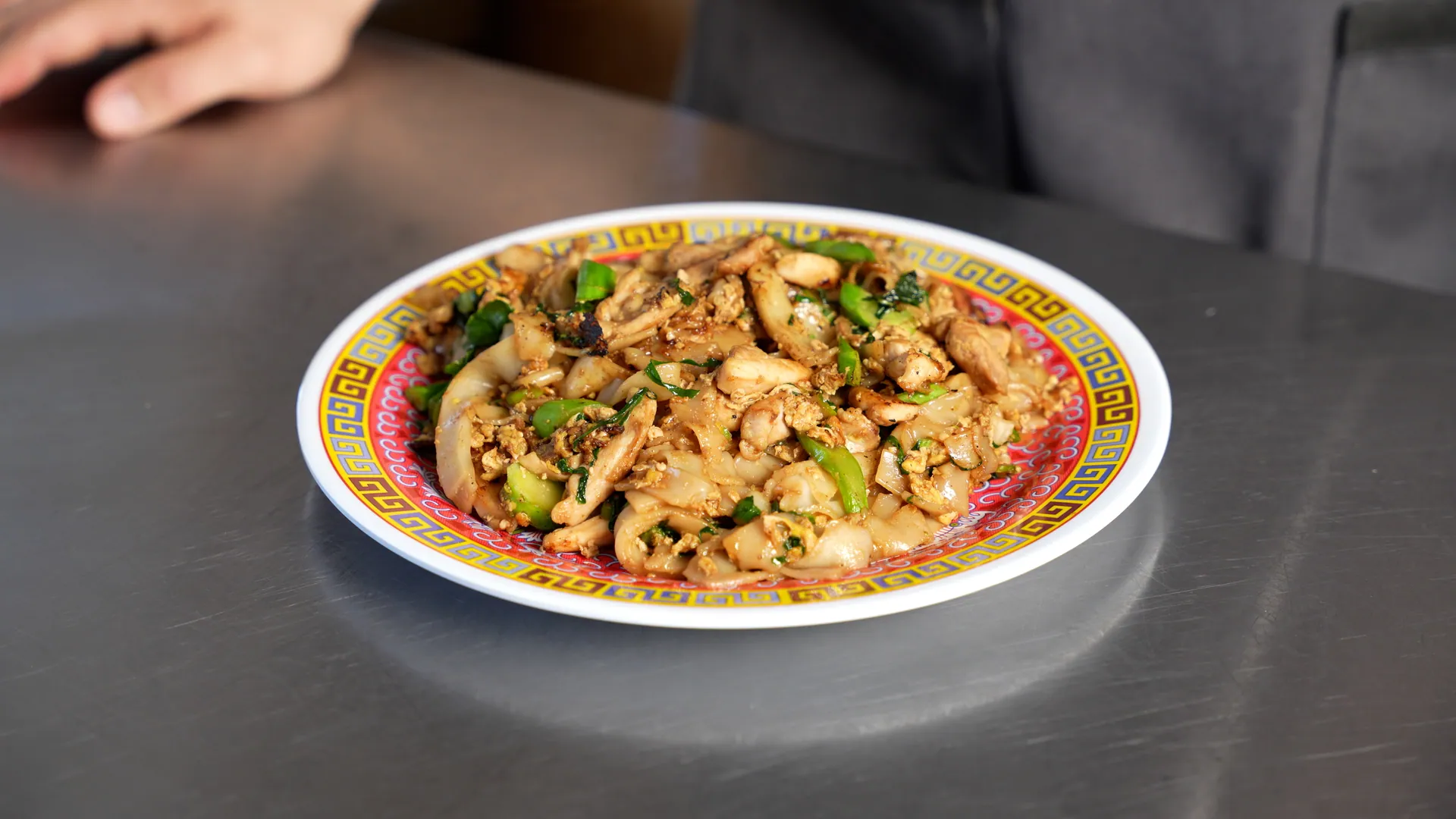
The real-deal pad see ew. Chicken, Chinese broccoli, and fresh wide rice noodles stir-fried in layered Thai dark soy, oyster, and fish sauce.
The real-deal pad see ew. Chicken, Chinese broccoli, and fresh wide rice noodles stir-fried in layered Thai dark soy, oyster, and fish sauce.
Some product links are Amazon affiliate links. As an Amazon Associate I earn from qualifying purchases at no extra cost to you.
Pad see ew translates to 'stir-fried in soy sauce,' and the soy in the name is specifically Thai dark soy (see ew dam). It is sweeter and more molasses-y than Chinese dark soy, and it is what gives the dish its signature mahogany lacquer. Without it the noodles look pale and taste flat. With it, pad see ew is instantly recognizable.
The technique is what separates restaurant pad see ew from home pad see ew. Each sauce component hits the hot metal of the wok alone, caramelizes for 30 seconds, then gets layered with the next one. The fond builds. By the time the noodles go in, the bottom of the pan is already coated in concentrated flavor that lacquers onto every strand. The whole thing comes together in about 10 minutes of actual cooking once the prep is done.
Fresh wide rice noodles (sen yai) are the other non-negotiable for the traditional version. They have the chew and the slip that dried noodles never quite match. The catch is that they stick together in the package. A short warm-water bath or microwave loosens them so they pull apart cleanly without breaking.
Prep the Noodles
Sear the Chicken, Add the Stems
Scramble the Eggs
Layer the Sauce
Add Greens, Noodles, and Toss
No reviews yet. Be the first!
Twenty years cooking Korean, Chinese, and Japanese food, simplified for weeknight kitchens. Cooking professionally out of Seattle.