Kung Pao Chicken
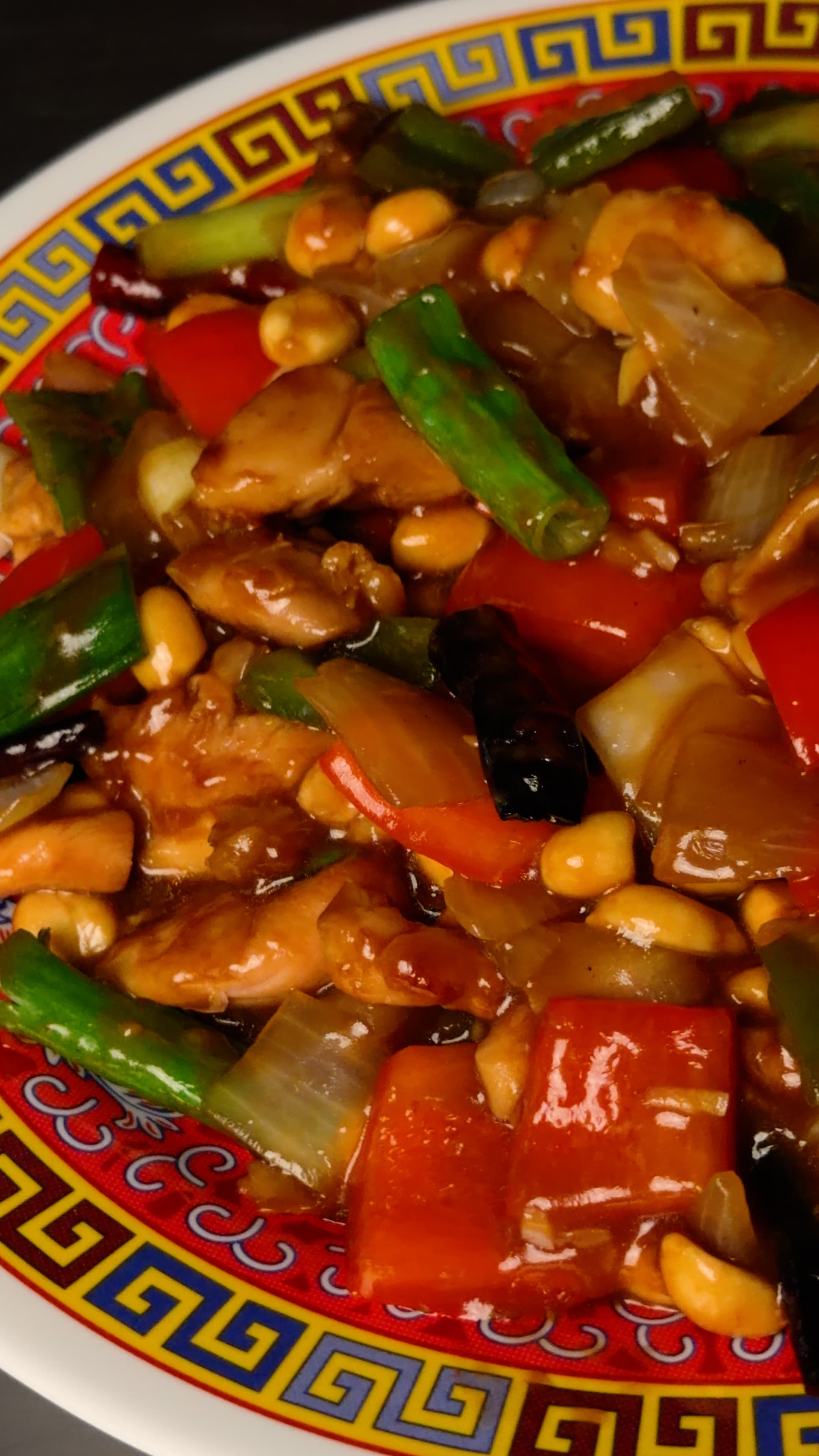
Glossy, sweet-savory takeout-style Kung Pao chicken with blistered dried chilies, crunchy peppers, and roasted peanuts. The velveting trick keeps the chicken silky and tender every single time.
Most homemade Kung Pao chicken tastes flat next to the takeout version, and it usually comes down to two things restaurants do that home cooks skip: they velvet the chicken, and they build the sauce on a base of hoisin.
Velveting is the reason restaurant stir-fry chicken is so silky, and it happens in two stages. First you toss the raw cubes with a little baking soda and let them rest. Baking soda is alkaline, and raising the meat's pH keeps the muscle proteins relaxed instead of seizing up the moment they hit high heat. Relaxed proteins hold onto their water, so the chicken stays juicy instead of turning dry and stringy. After the rest you rinse the baking soda off completely (leave it on and the chicken tastes soapy), then toss the meat with cornstarch, Shaoxing wine, and soy. The cornstarch forms a thin gel shell around each piece that crisps in the wok and locks the juices in. This is the single biggest upgrade you can make to any stir-fry.
The sauce is where the takeout flavor lives, and hoisin is the secret. It is a fermented soybean paste that brings sweetness, deep umami, and that unmistakable Chinese-takeout depth all at once. Most home recipes lean on soy sauce alone, which is exactly why they taste thin. A couple tablespoons of hoisin is the whole difference. Cornstarch goes into the sauce too, so the instant it hits the hot wok it tightens into the glossy coat that clings to every piece.
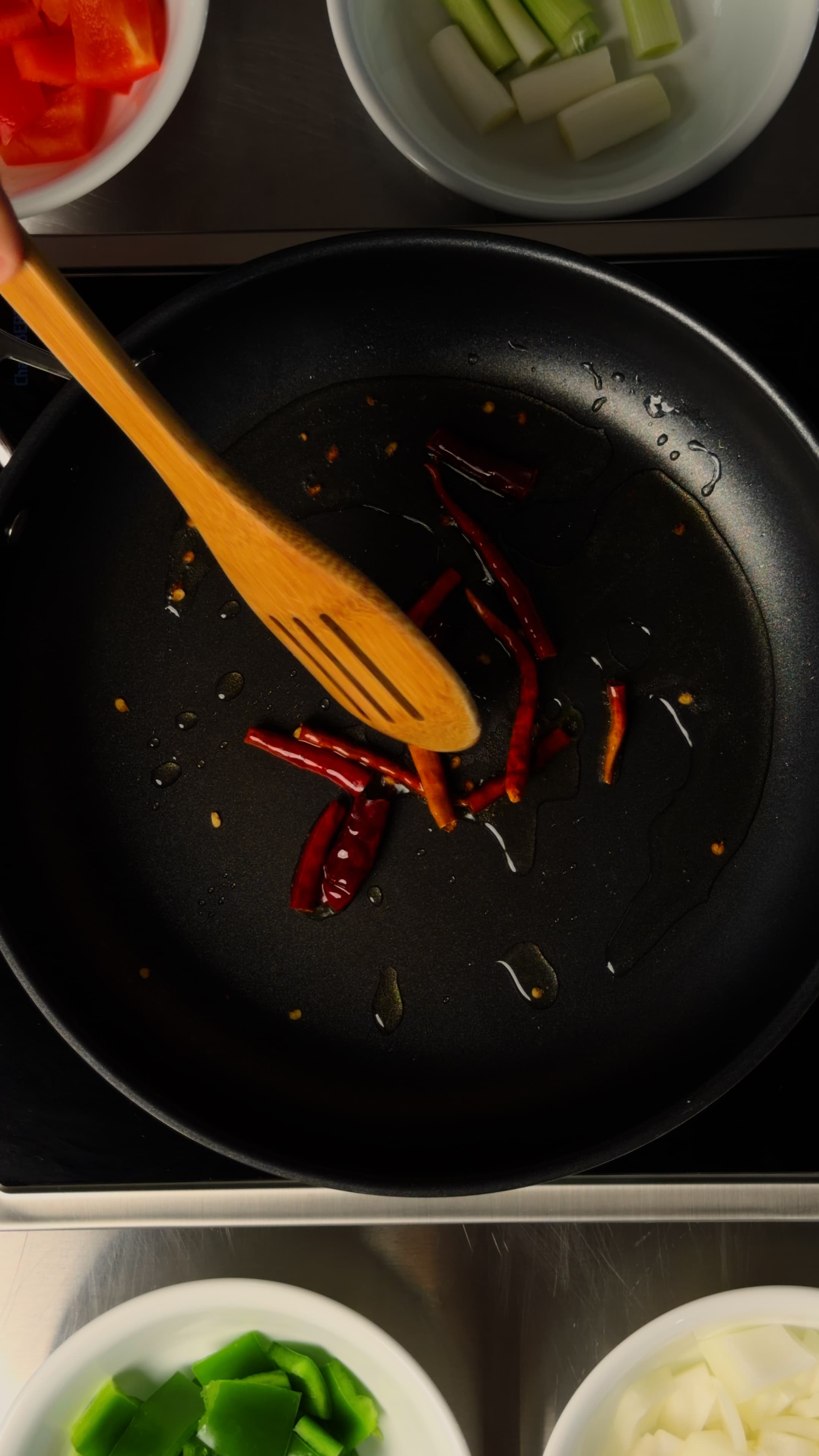
The dried chilies are about aroma, not heat. You break them open and toast them in smoking-hot oil for 30 to 45 seconds until they darken and the kitchen smells smoky. That scorched, fragrant smoke is wok hei, the breath of the wok, and it is what makes the whole dish smell like a restaurant. For a classic mild Kung Pao you toast the chilies for flavor and color and leave the burn out of it. If you want real heat, stir a teaspoon of chili paste into the sauce.
Everything after that moves fast, so prep first and keep the mixed sauce right next to the stove. High heat and a short cook time are what keep the peppers and onion crisp enough to snap when you bite them. Sear the chicken, char the vegetables, bloom the garlic and ginger, pour the sauce, then finish with peanuts and scallions off the heat. Eight minutes of actual cooking and it is on the plate over white rice.
Velvet the Chicken
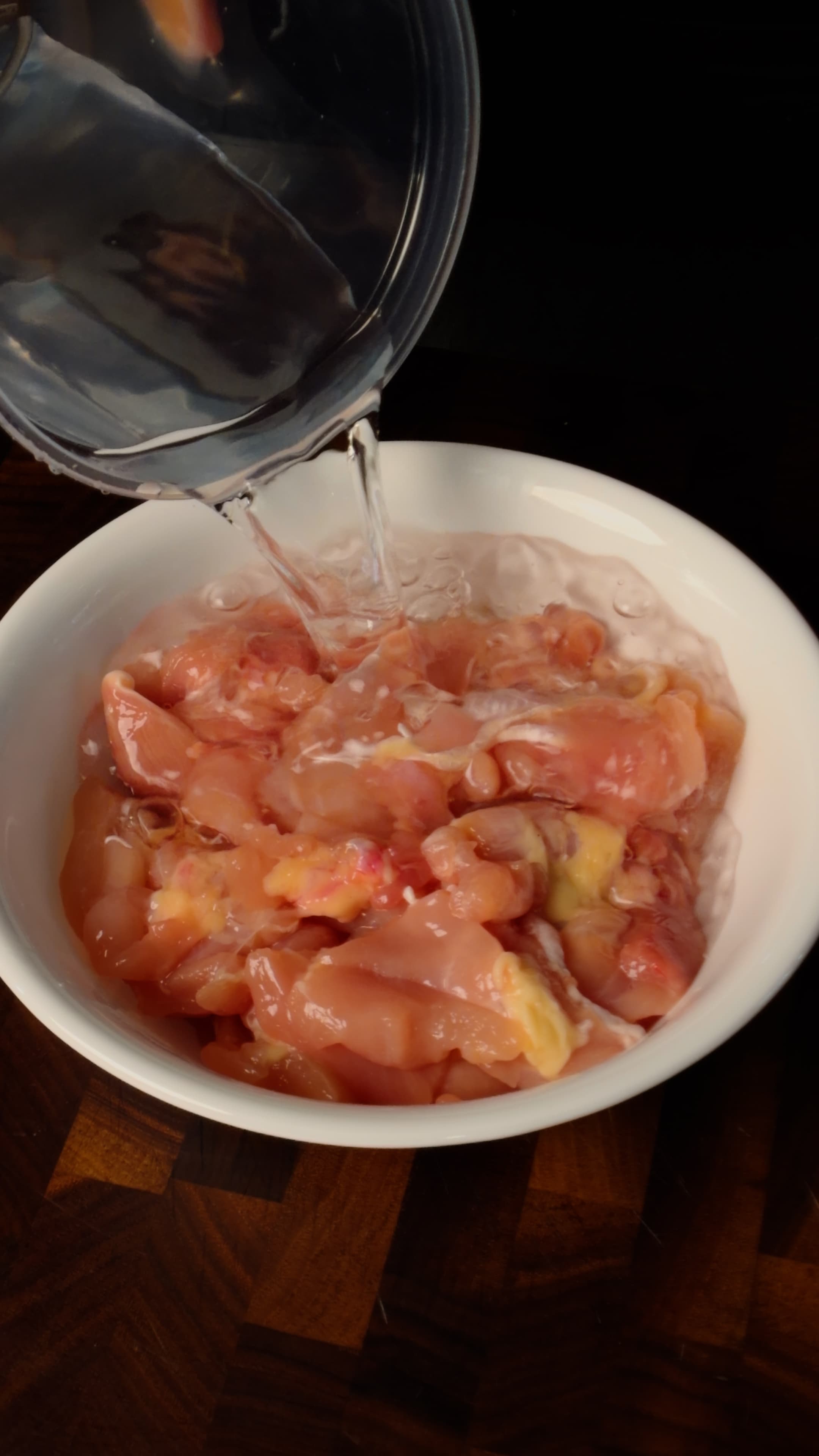
- 01Toss the chicken cubes with the baking soda and rest 15 minutes. This raises the meat's pH so it stays tender on high heat. Rinse thoroughly under cold water and pat completely dry.
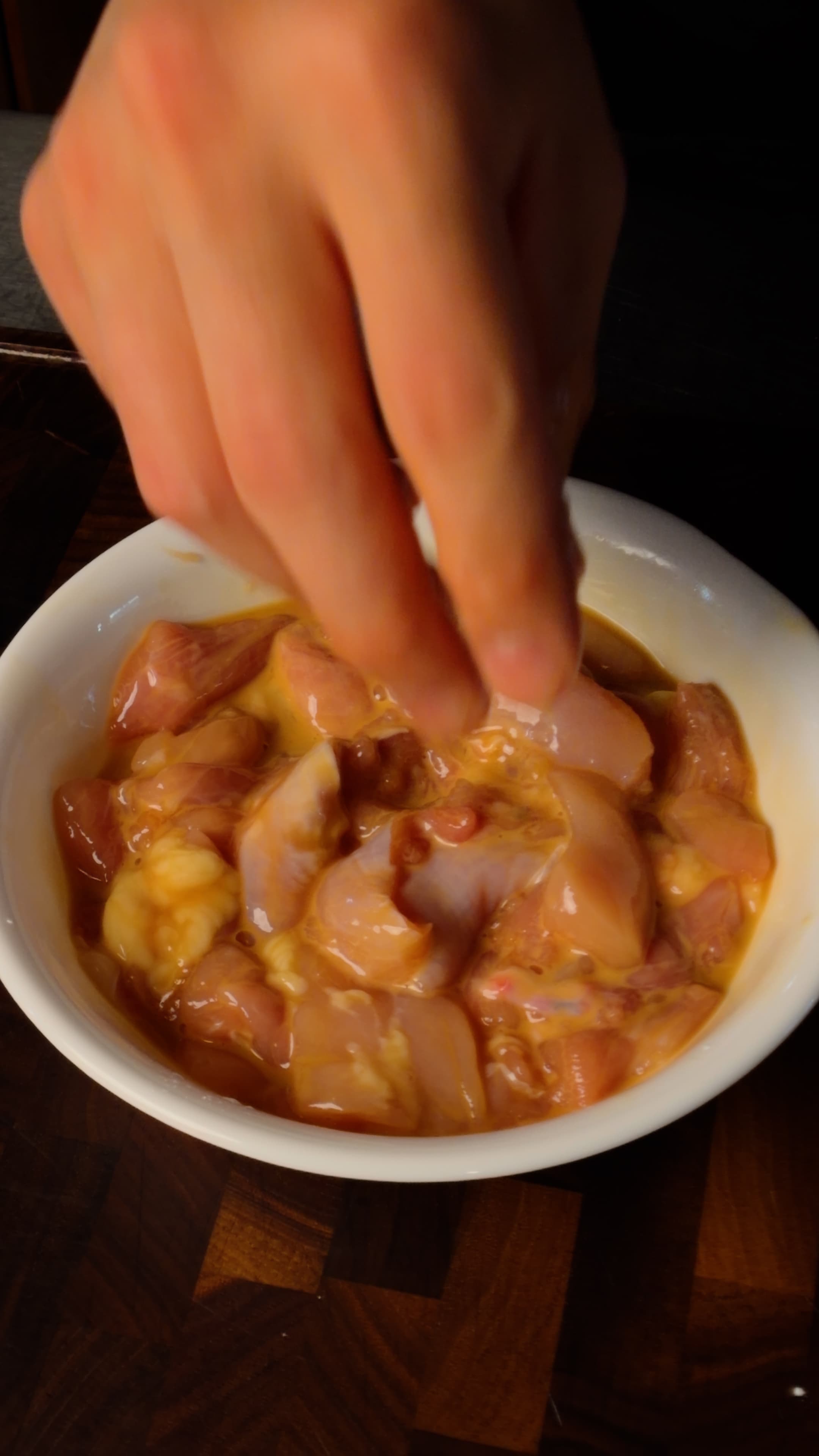
- 02Toss the rinsed chicken with the cornstarch, Shaoxing wine, and light soy sauce. Rest 10 minutes while you prep everything else.
Mix the Sauce
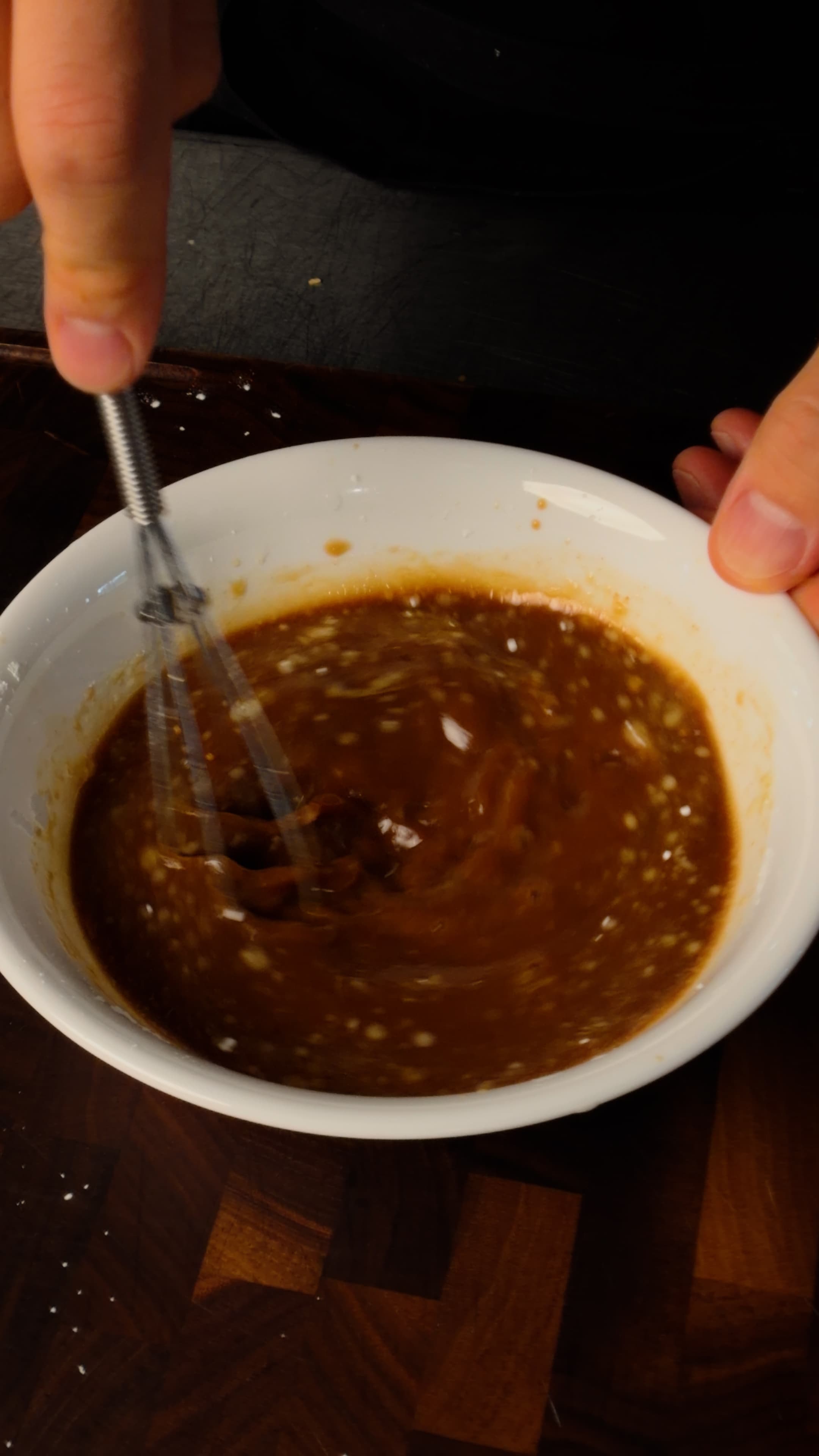
- 03Whisk the soy sauce, hoisin, black vinegar, brown sugar, sesame oil, cornstarch, and water (or stock) in a bowl until smooth. Set it right next to the stove. Stir-frying moves fast and there is no time to mix once the wok is hot.
Toast the Chilies
- 04Heat the wok or a large skillet until it is just smoking. Add the neutral oil, then the broken dried chilies. Toast 30 to 45 seconds until they darken and the air smells smoky. This is where the wok hei begins.
Stir-Fry the Chicken
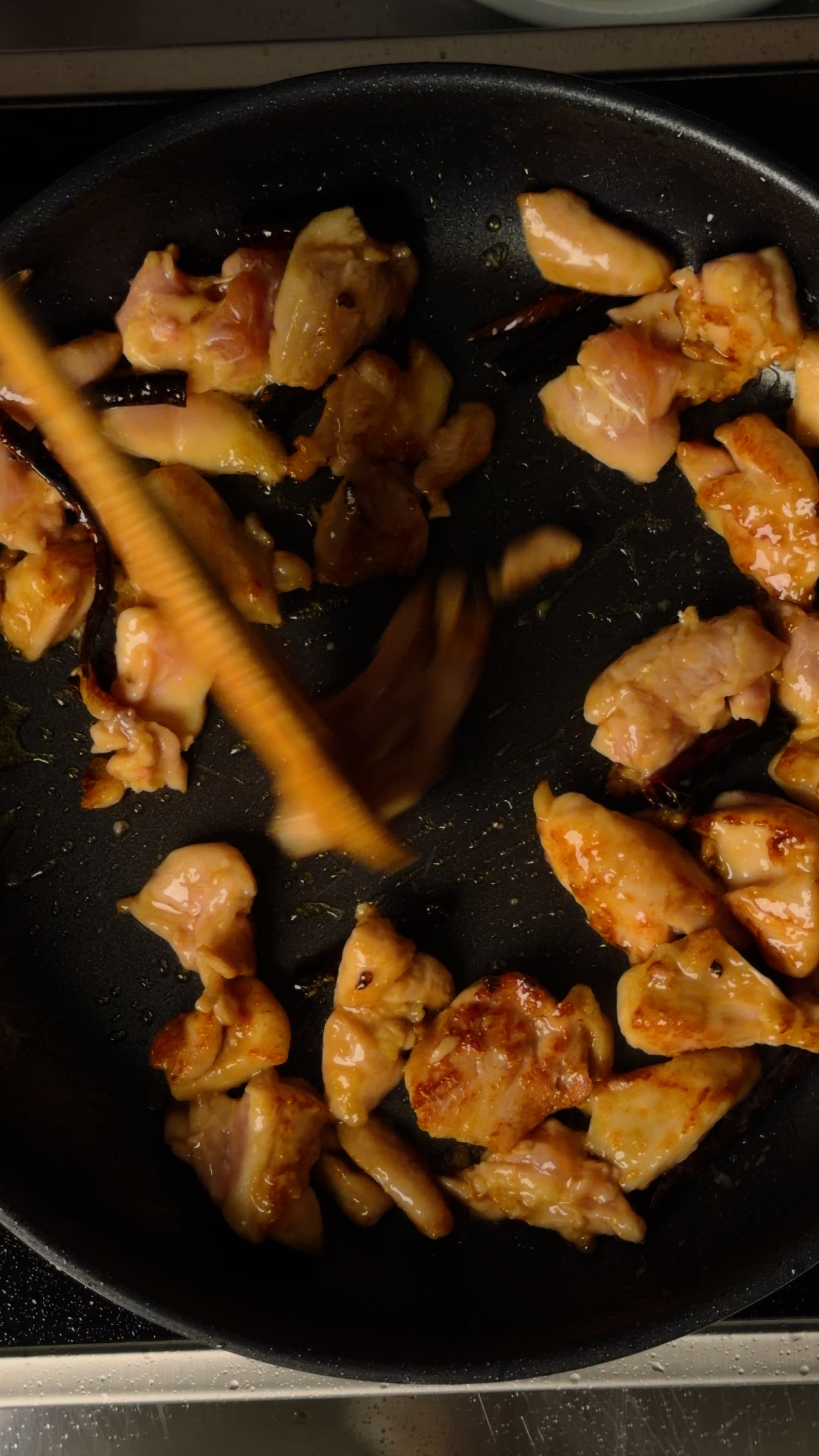
- 05Add the velveted chicken in a single layer. Do not move it for 30 seconds so it sears. Then stir-fry 1 to 2 minutes until just cooked through. Push it to one side of the wok.
Vegetables and Aromatics
- 06Add the bell peppers and onion. Stir-fry 2 minutes until lightly charred but still crunchy.
- 07Add the garlic and ginger. Stir-fry 30 seconds until fragrant.
Sauce and Finish
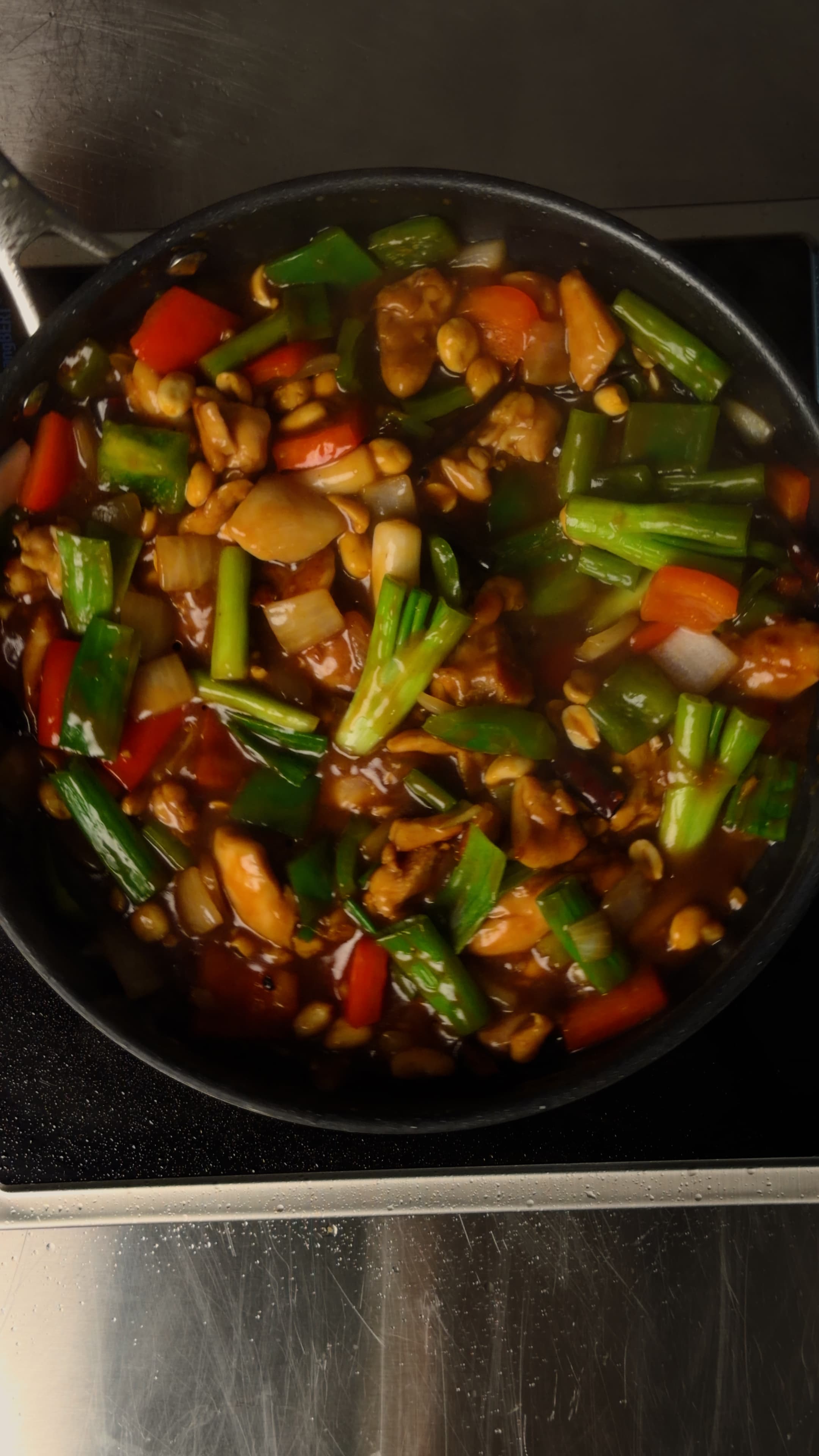
- 08Stir the sauce again (the cornstarch settles fast) and pour it in. Toss vigorously until it thickens and turns glossy, about 30 seconds.
- 09Add the peanuts and scallions. Toss to coat. Serve immediately over white rice.
- Velveting is the whole game. Baking soda raises the chicken's pH so the muscle proteins relax and trap water instead of seizing up and drying out. The cornstarch then forms a thin gel shell that crisps in the wok and seals the juice in. Rinse the baking soda off thoroughly, or the chicken will taste soapy.
- Hoisin is the takeout secret. It is a fermented bean paste that adds sweetness, umami, and that distinctive Chinese-takeout depth all at once. Skipping it is the number one reason home Kung Pao tastes flat.
- Dried chilies are for color and aroma, not heat. They burn-toast in the oil for smoky depth (wok hei). For a mild authentic-style Kung Pao, use them whole for fragrance only. For real heat, add a teaspoon of chili paste to the sauce.
- Keep the vegetables crunchy. High heat and a short cook time are what keep the peppers and onion crisp. Do not overcook them. They should snap on the fork.
- Mise en place matters here. Stir-frying is fast. Have the chicken velveted, the sauce mixed, and every vegetable cut before the wok goes on the heat.