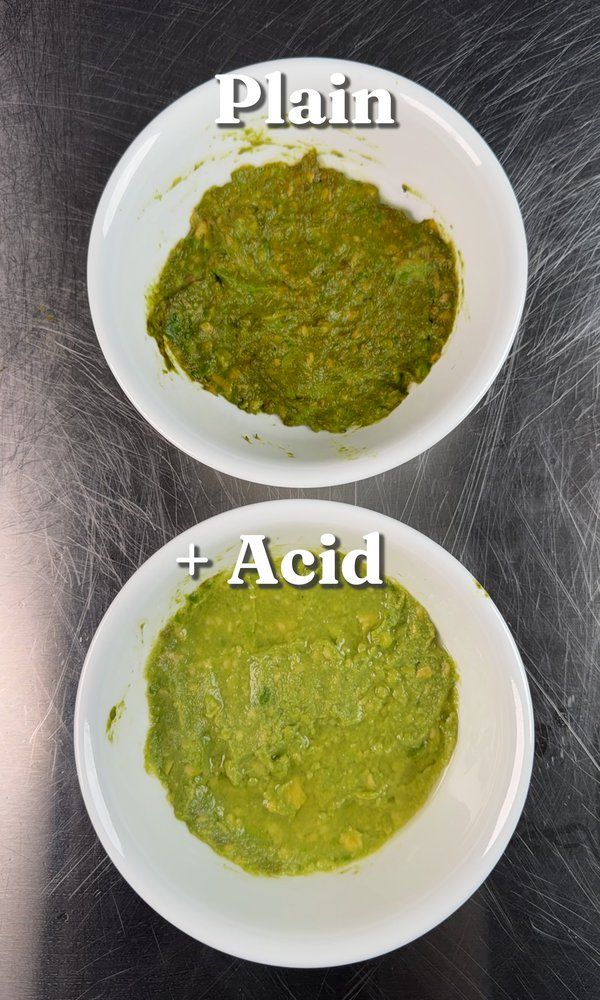
What is actually happening when an avocado browns
Avocado flesh does not brown simply because it is exposed to air. It browns because of an enzyme called polyphenol oxidase (PPO), and air is only part of the equation.
Polyphenol oxidase is present throughout the avocado flesh but kept separate from its substrates, the phenolic compounds it reacts with, by the structure of intact plant cells. When an avocado is cut, the cell walls rupture. PPO and phenolic compounds mix. In the presence of oxygen, PPO catalyzes the oxidation of phenolic compounds into quinones. Quinones then polymerize into brown and black pigments called melanins. This is the browning you see.
This reaction is fast because PPO is highly efficient as a catalyst. It does not require much enzyme activity to produce visible discoloration. The same enzyme-driven process is responsible for the browning of cut apples, potatoes, and bananas. Avocados brown particularly quickly because their phenolic compound concentration is relatively high and their PPO activity is strong.