Why Your Shrimp Is Always Rubbery (And How to Fix It for Good)
Shrimp proteins cook at 120°F. Pink happens at 140°F. By the time it looks done, it has been overcooked for 20 degrees. Here is the science behind perfect shrimp every time.
Charles Kim·Chef Fatty
May 13, 2026
What actually happens when shrimp overcooks
Shrimp is made almost entirely of protein. The moment heat touches it, those proteins begin to denature and contract, squeezing out moisture like wringing a wet towel. The faster and harder they contract, the tougher and drier the result.
The problem is that shrimp cooks in under two minutes. There is almost no window between raw and overcooked, so the margin for error is tiny.
Over 160°F is the point of no return. The proteins have fully seized.
The temperature target
Shrimp proteins start setting around 120°F (49°C). In that 120-130°F range the texture is genuinely at its best, soft and almost buttery. But that temperature is not food safe. For healthy adults cooking for themselves it may be a calculated choice, but for anyone with a compromised immune system, pregnancy, or young children, it is not worth the risk.
The FDA safe zone is 145°F (63°C). At 145°F shrimp is firmer than the 120-130°F range, but it is still genuinely juicy, especially with the BOSH method below. That is the target.
Color turns pink before shrimp is safe to eat, so it is a lagging and unreliable indicator. Shape is real time. Raw shrimp has a gentle natural curve. As it cooks, that curve tightens. Two shapes to know:
J shape: The shrimp still has a gentle, open curve. This is where you want to pull. At 145°F you should see roughly a J. The proteins are set, the moisture is still there.
C shape: Fully curled and tight. The shrimp is overcooked. Still edible, but drier and firmer than it should be.
The difference between J and C happens in seconds. Pull at J and you will never have rubbery shrimp again.
The BOSH method: how restaurants get it right
Chinese restaurant kitchens have been doing this for decades. The technique is called velveting, and it uses four simple things to make shrimp (or any protein) significantly more tender and juicy.
B: Baking soda. Use 1/4 tsp per 1 lb (450g) of shrimp. Baking soda raises the pH around the muscle fibers, disrupting the protein bonds that cause contraction. The fibers stay loose, water stays trapped inside. Mix it in, rest for 15-20 minutes, then rinse thoroughly before cooking. Rinsing is important: it removes the metallic taste.
A light dusting. 1/4 tsp per pound, no more.
O: Oil or fat. Add 1 tsp of neutral oil (vegetable, avocado, or sesame) to the marinade. For cooking, use 1-2 tbsp of butter and baste continuously as the shrimp cooks. The fat introduces richness and keeps the surface from drying out under the heat. For soups or broths, skip the baste. Your liquid handles that role.
Continuous spooning gets fat into every crevice as the shrimp cooks.
S: Starch. Use 1 tbsp of cornstarch per 1 lb (450g) of shrimp. The starch granules coat the outside of each piece. When heat hits them, they gelatinize into a thin, smooth barrier that physically prevents moisture from escaping. This is also what gives restaurant shrimp that silky, slightly firm exterior. Potato starch works even better if you have it.
Toss until every piece is evenly coated.The full coat before it hits the heat.
H: Heat. Use a wok or a cast iron pan. Get it screaming hot before the shrimp goes in. Shrimp needs 30-60 seconds per side at high heat, no more. Do not crowd the pan or the temperature drops and the shrimp steams instead of sears. Work in batches if needed.
The ratio (all four steps together)
For 1 lb (450g) of shrimp: combine 1/4 tsp baking soda, 1 tbsp cornstarch, 1 tsp neutral oil, and any seasoning you want. Mix well and rest for 15-20 minutes at room temperature. Rinse off the baking soda, pat dry, then cook over high heat with 1-2 tbsp butter.
BOSH on other proteins
BOSH is a stir-fry technique. It is built for thin-sliced proteins cooked fast over screaming-high heat. It is not for steaks (use a dry brine and a cast iron instead), not for braised dishes (the liquid does the moisture work), and not for soups (no sear, no crust, no need for cornstarch). If you are slicing protein thin and cooking it hot in a wok or pan, BOSH applies. If you are not, it does not.
With that said, the baking soda and cornstarch science is identical across any protein you are stir-frying. The only thing that changes is the target temperature, and for some proteins, how done you want them.
Chicken (breast or thigh strips): No doneness options. Use 1/4 tsp baking soda + 1 tbsp cornstarch per lb, rest 20-30 minutes. Chicken benefits the most from baking soda because the fibers are denser and prone to drying out.
Safe: 165°F (74°C). No exceptions.
Beef (stir-fry strips):Baking soda is especially useful on tougher cuts like flank or skirt steak. Below 145°F is a personal call on safety.
Rare: 125°F (52°C)
Medium-rare: 130-135°F (54-57°C)
Medium: 140°F (60°C)
Well-done / FDA safe: 145°F (63°C)
Pork (thin-sliced): Works exceptionally well on pork belly slices and tenderloin strips. Going below 145°F is a personal decision on thicker cuts.
Medium / USDA safe: 145°F (63°C). Slightly pink center, still juicy.
Well-done: 160°F (71°C).
Fish fillets: Skip the baking soda: it can turn the texture mushy on delicate fish. Cornstarch coat only, high heat, and butter baste. Pull early either way since carry-over is significant in a hot pan.
FDA target: 145°F (63°C). Opaque throughout.
Chef's preference: 125-130°F (52-54°C). Moist, slightly translucent center. Only with fresh, high-quality fish.
Temperature is the one thing none of these methods can skip. BOSH keeps moisture in, but only if you pull at the right time. Use a fast-read thermometer. Guessing is how shrimp gets ruined.
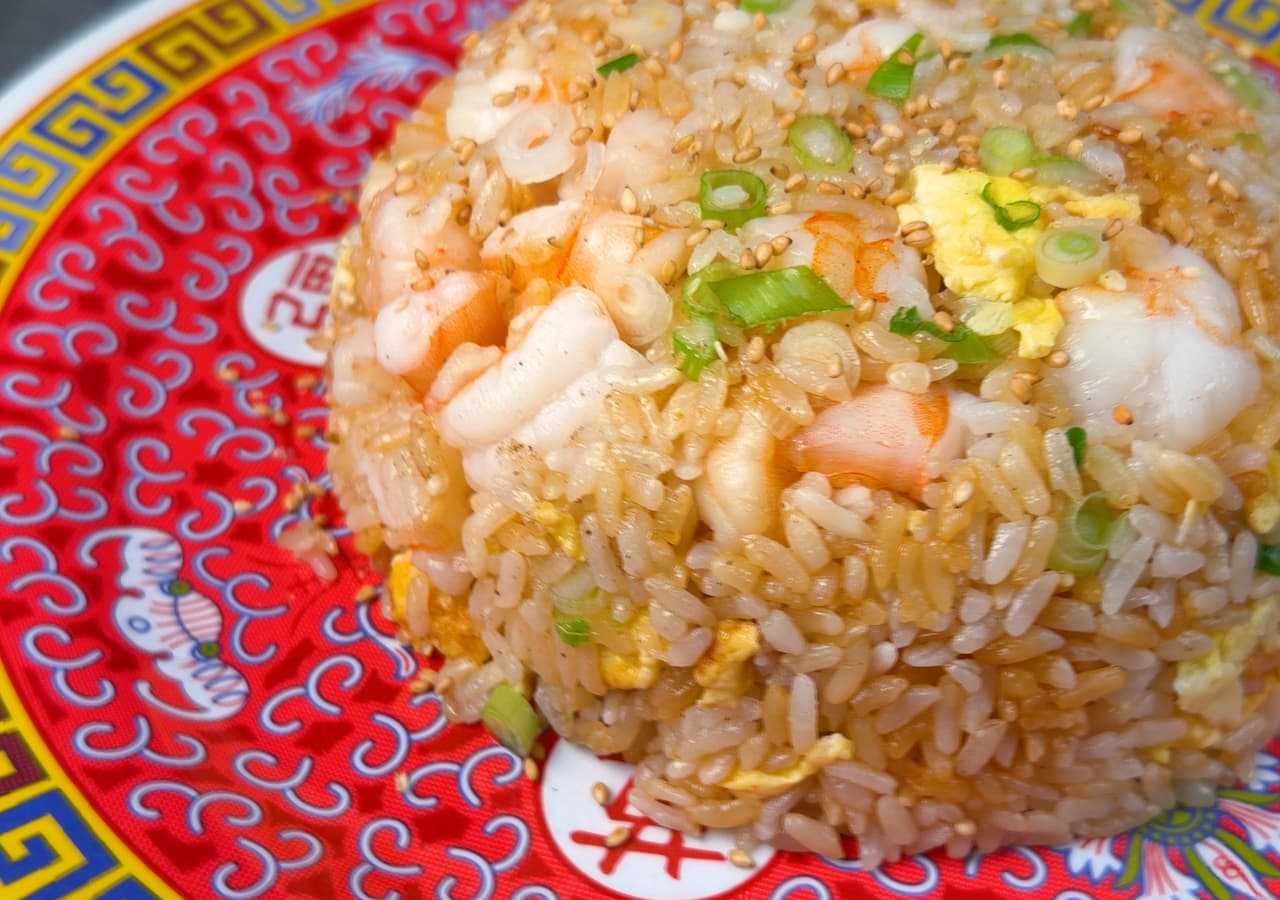
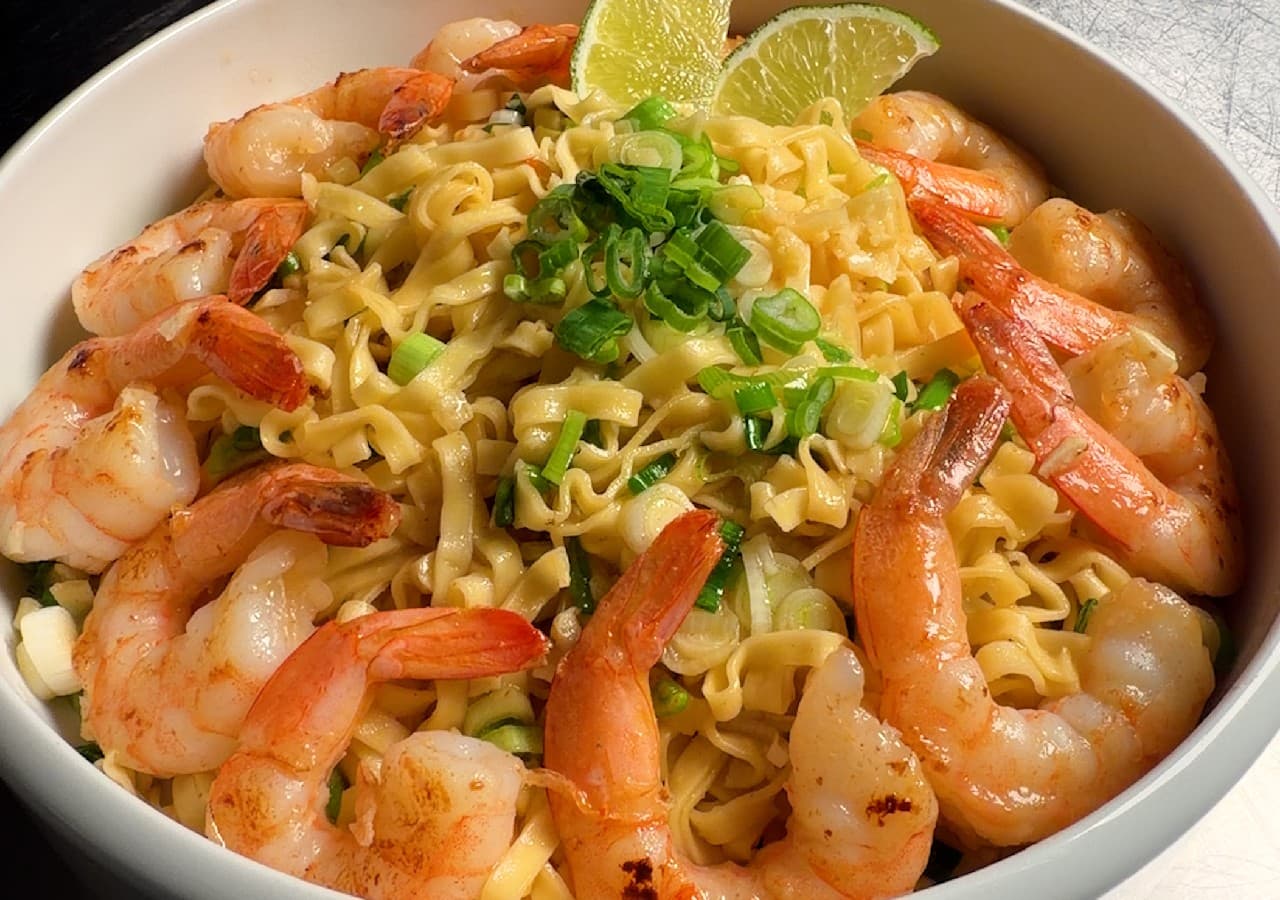
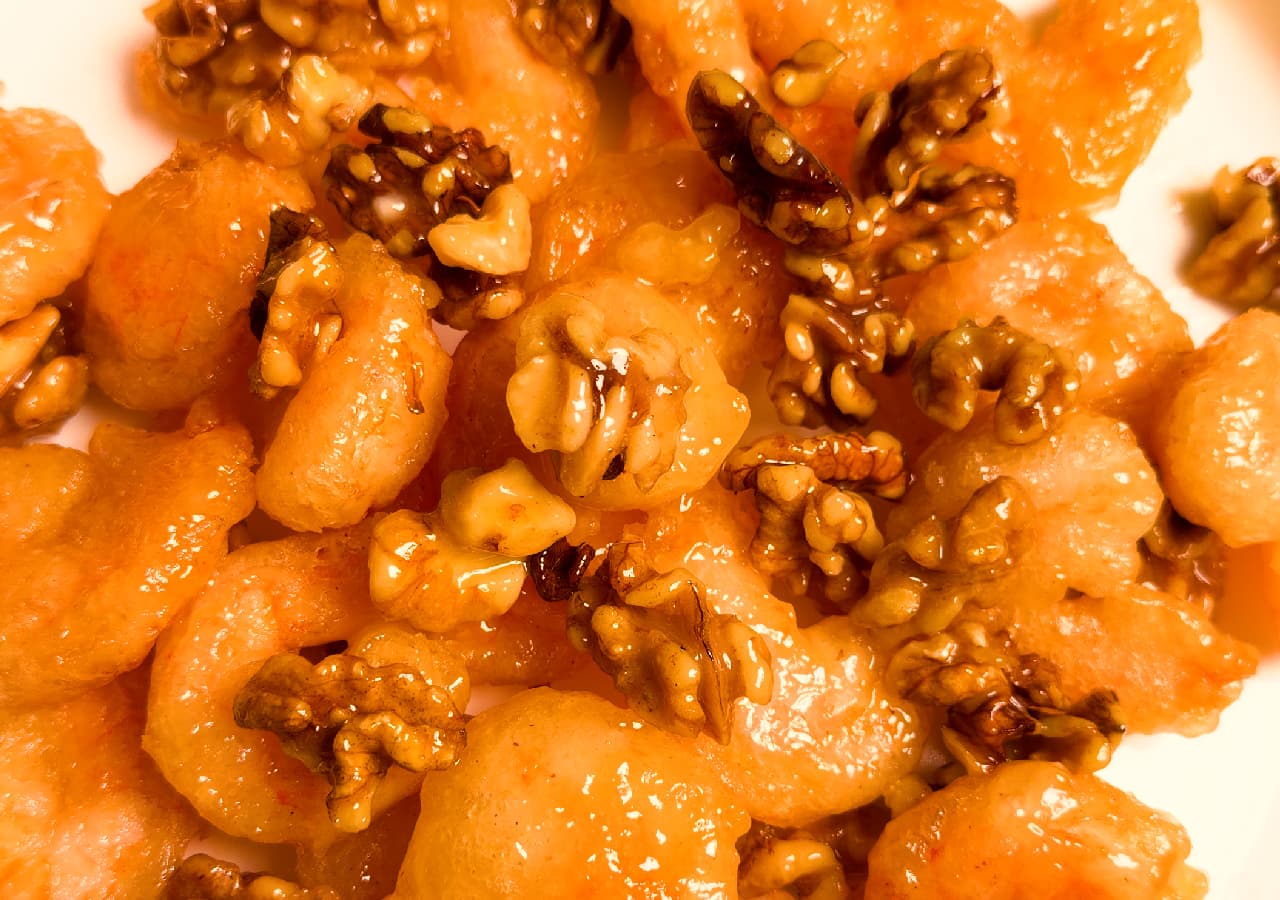
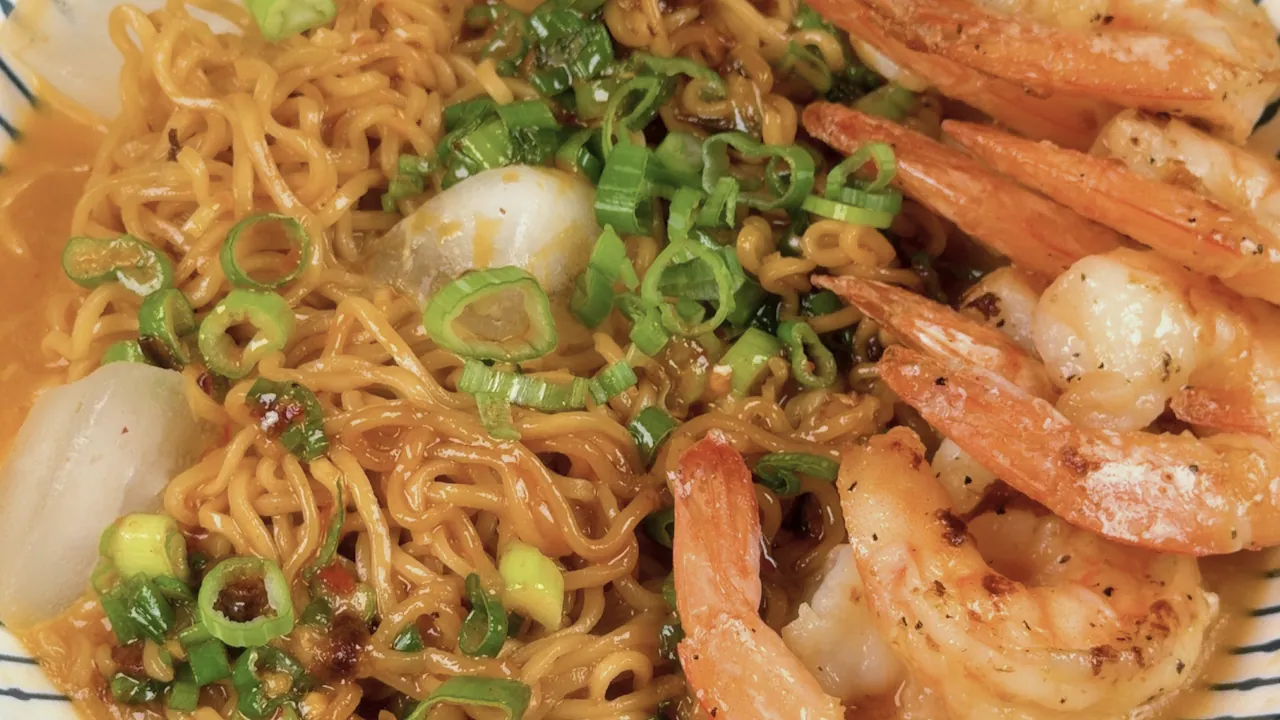
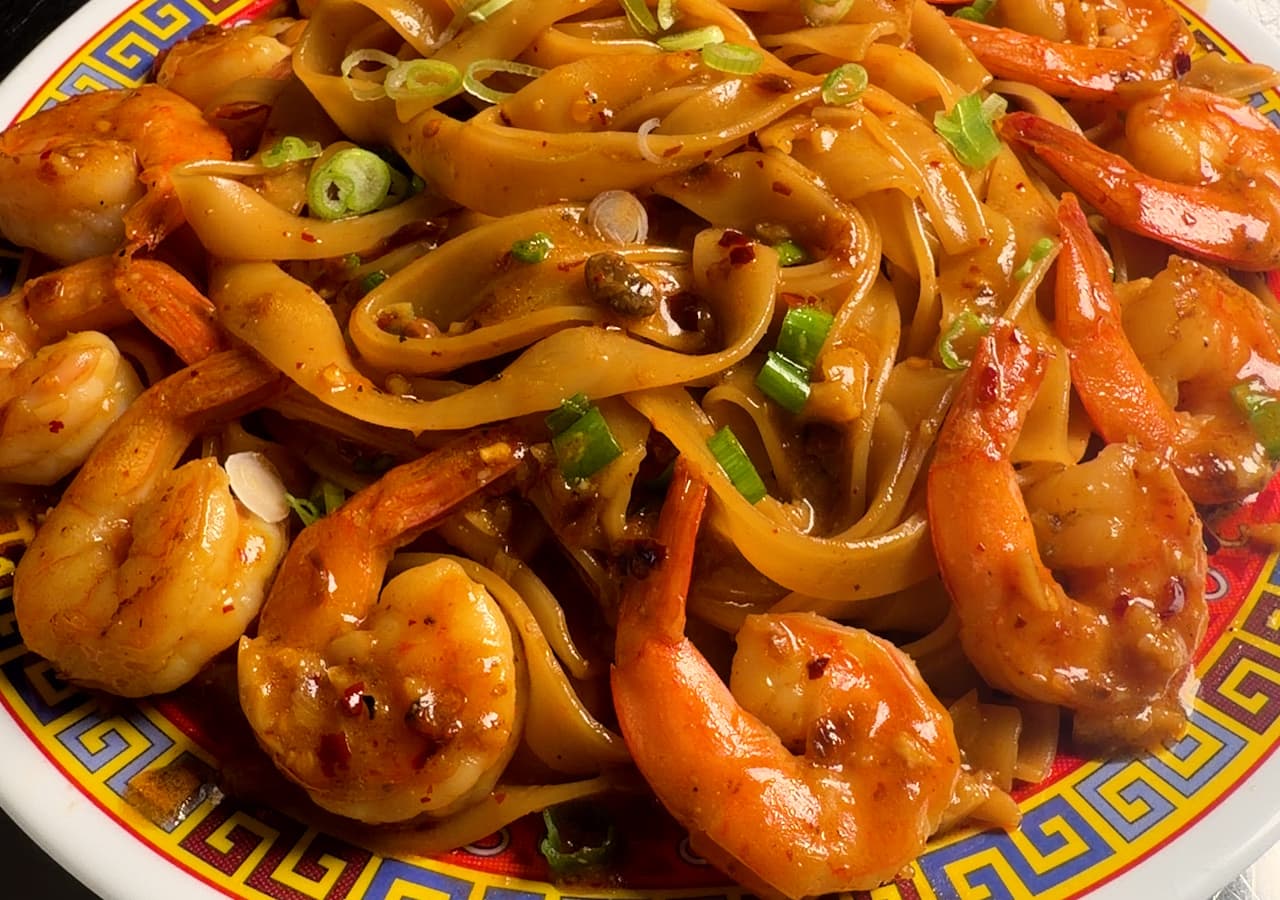
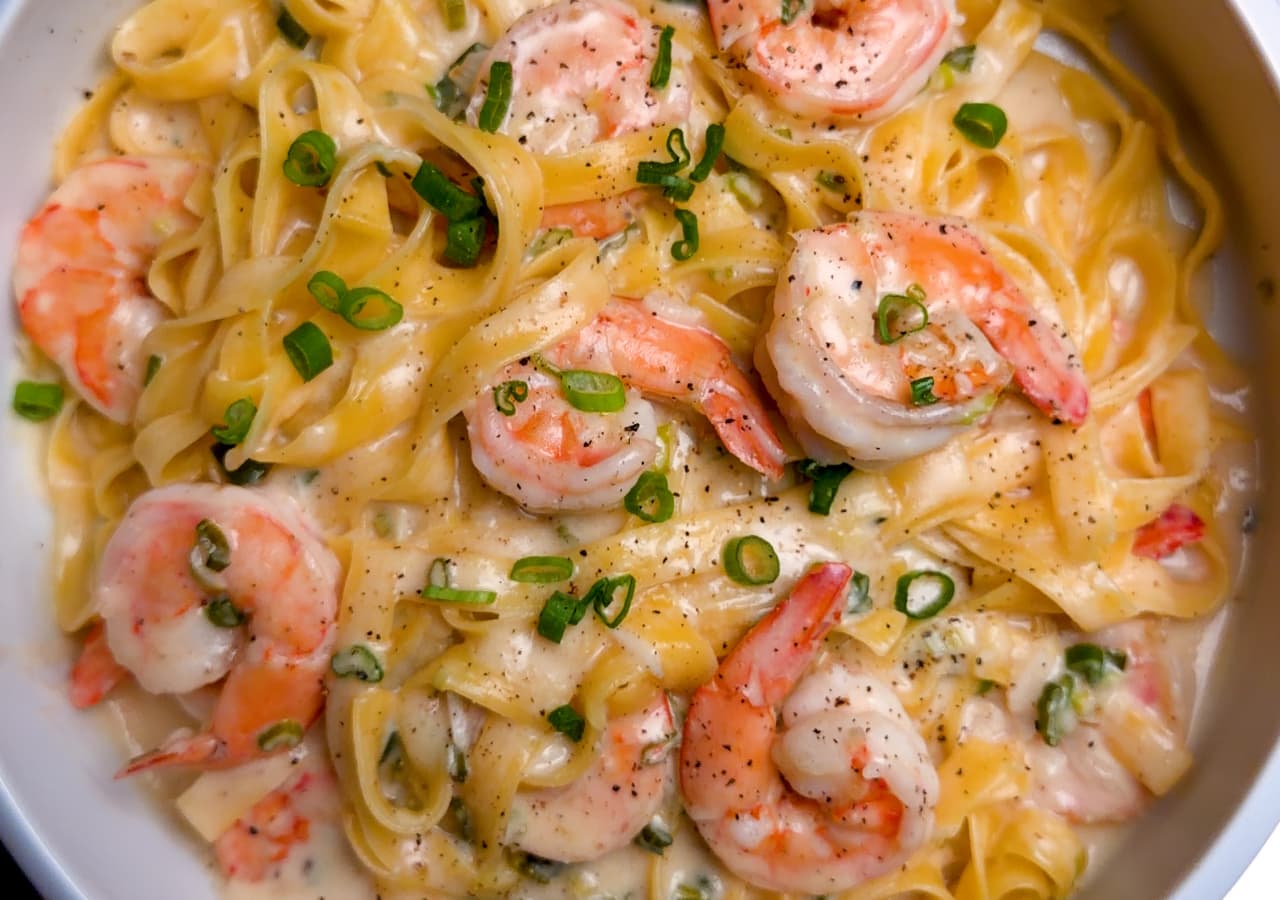
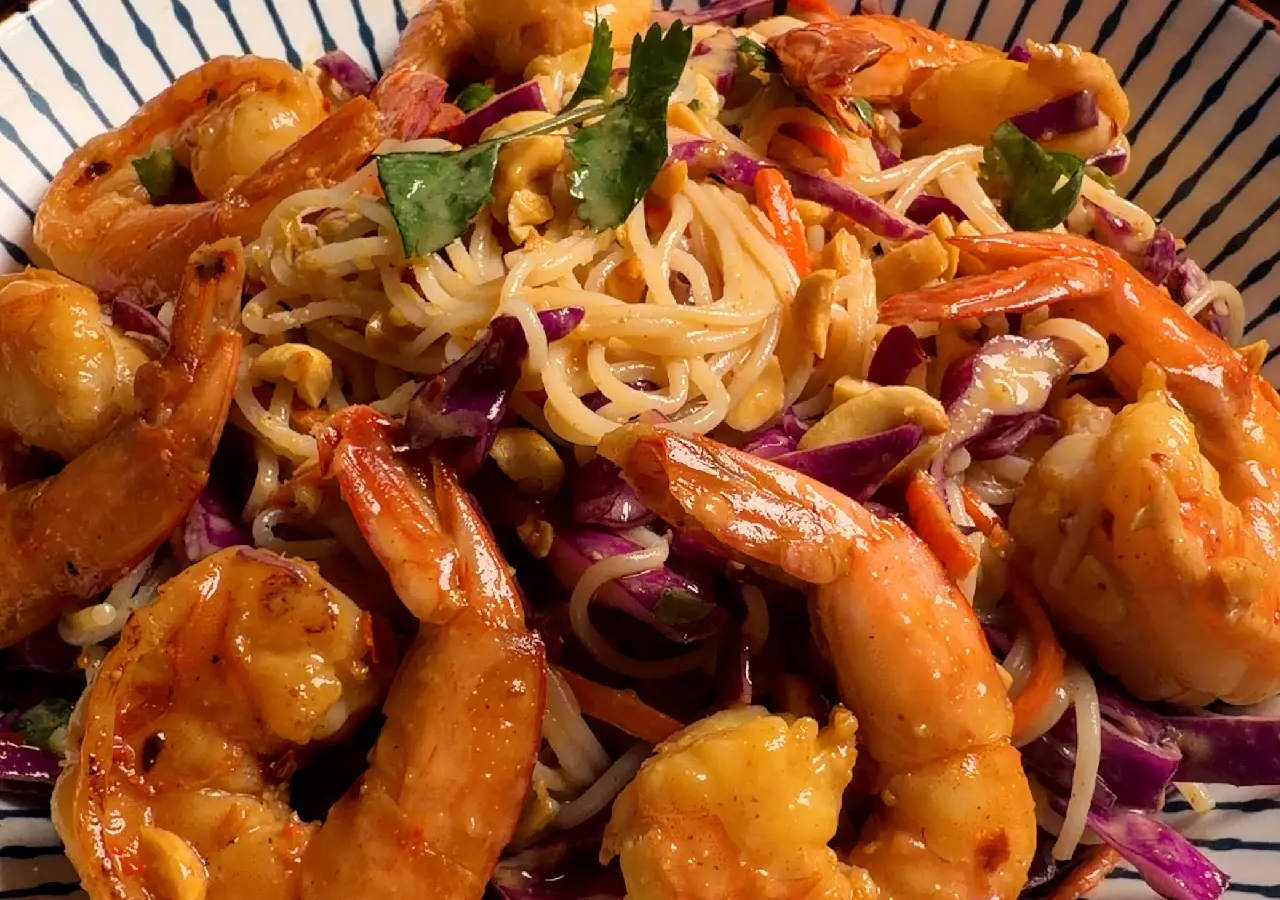
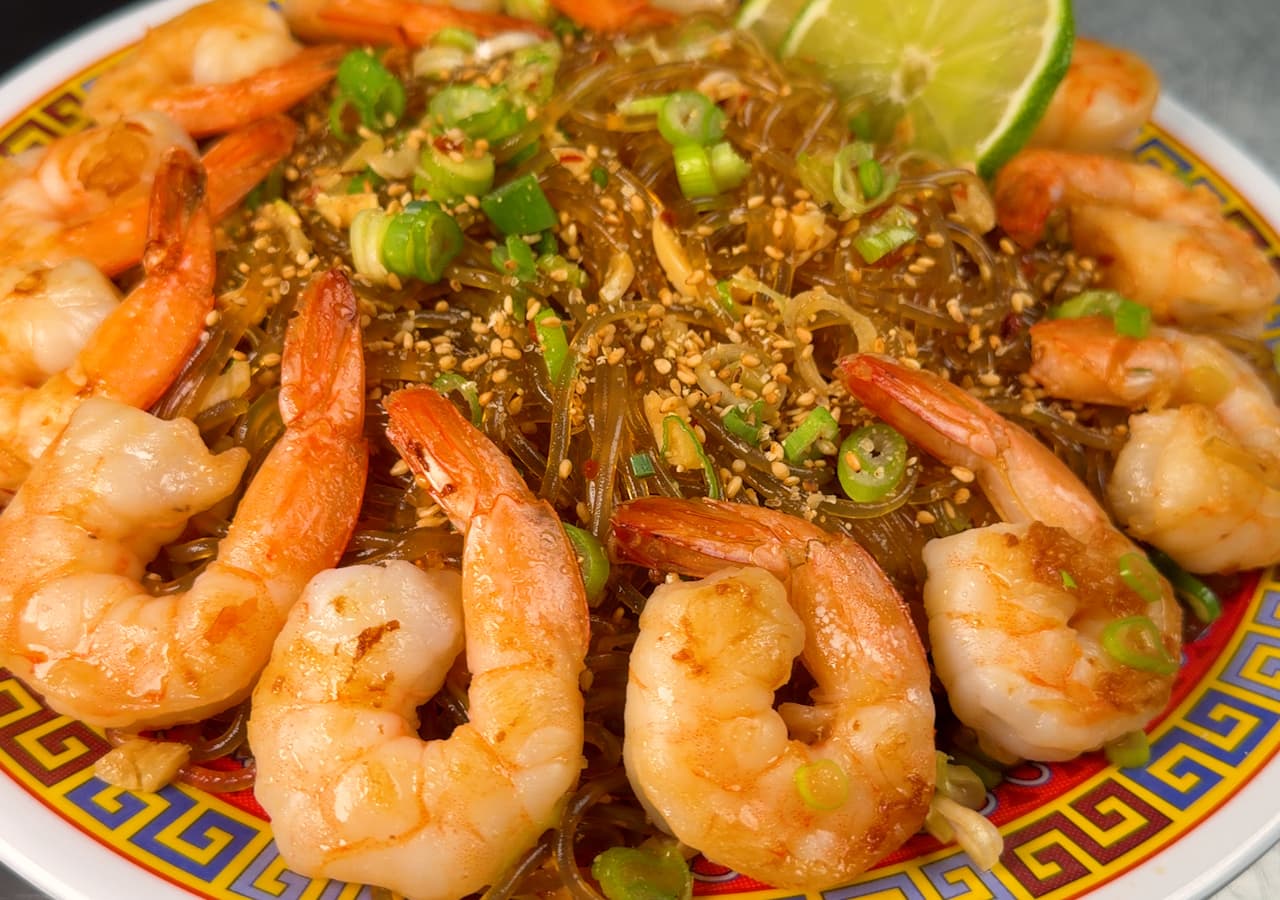
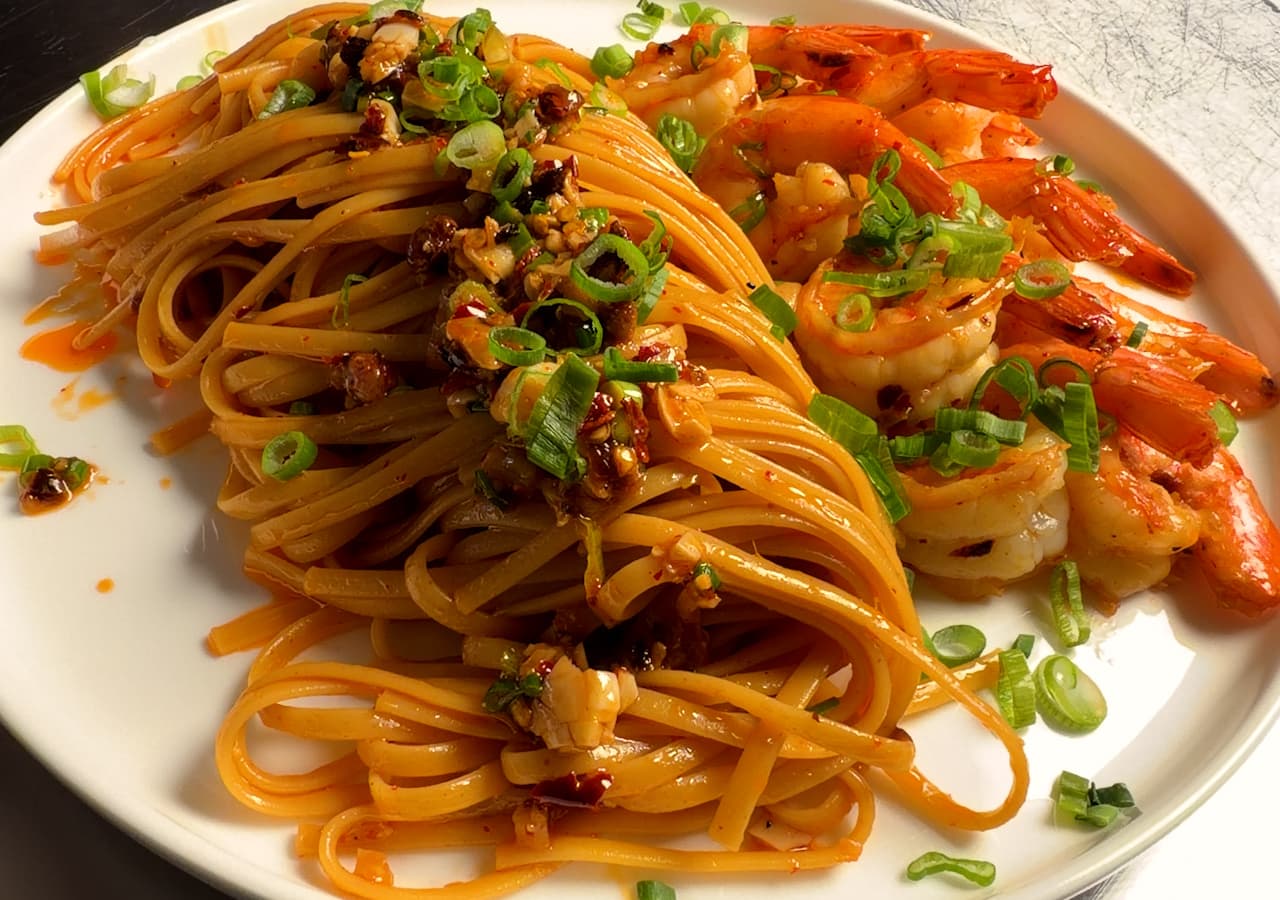
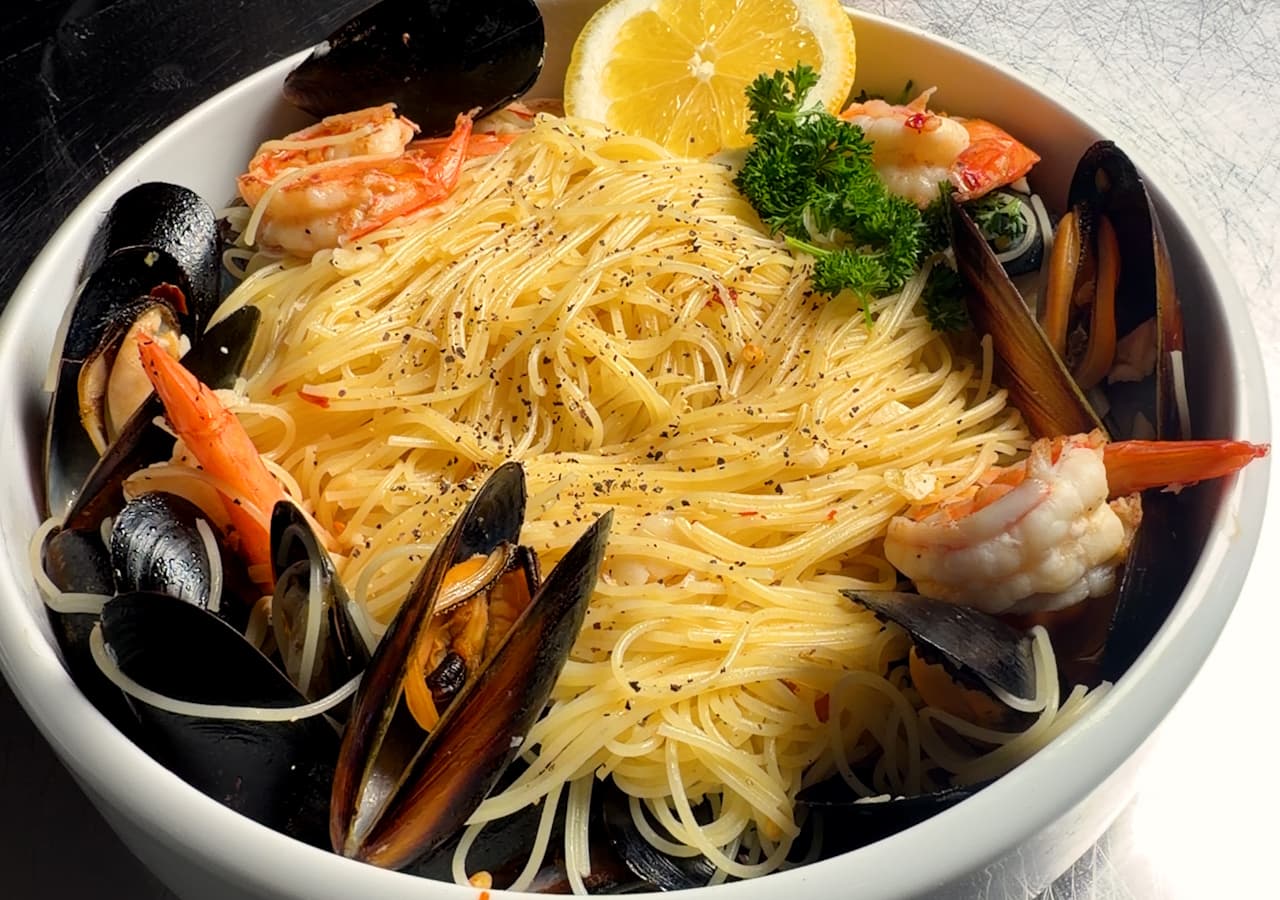
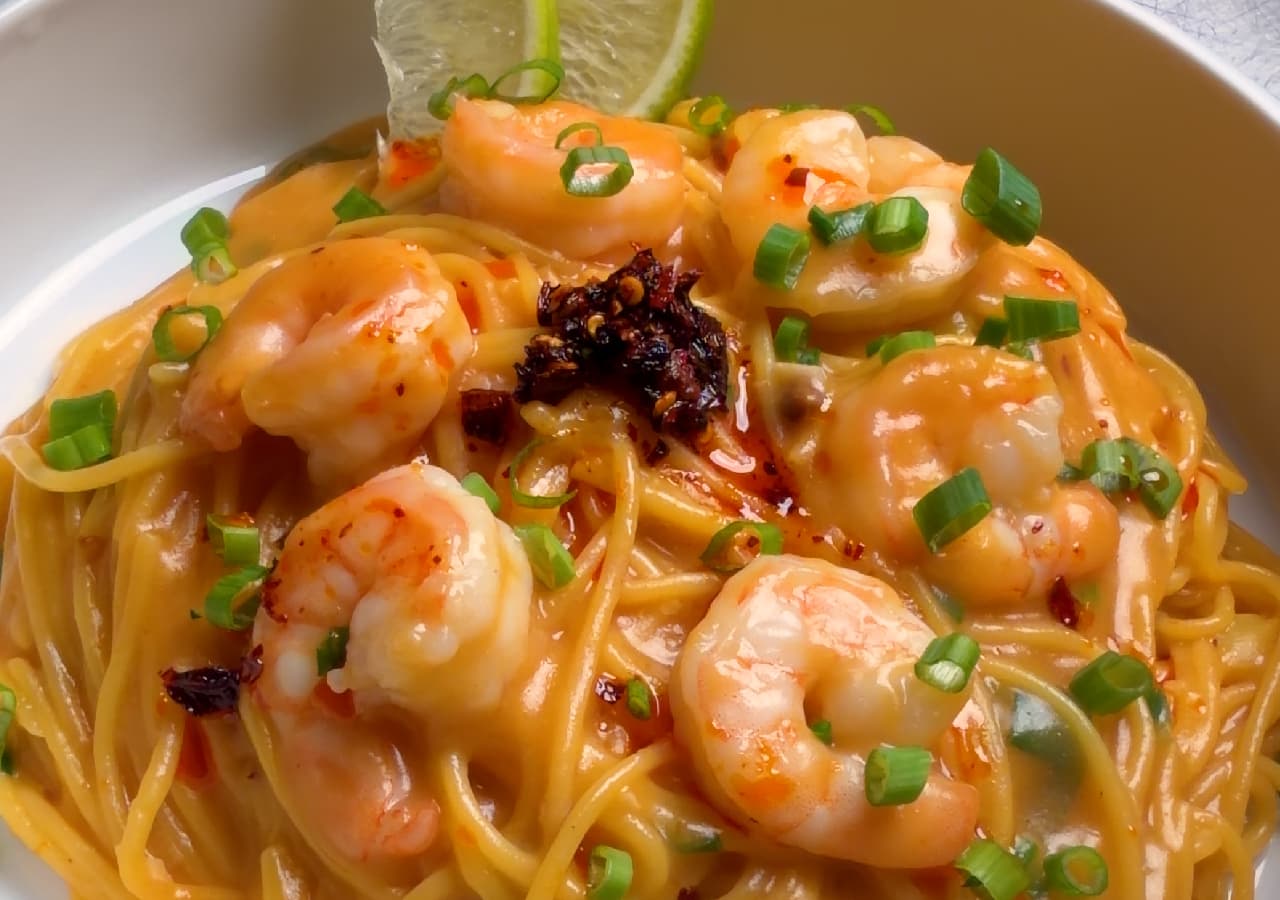
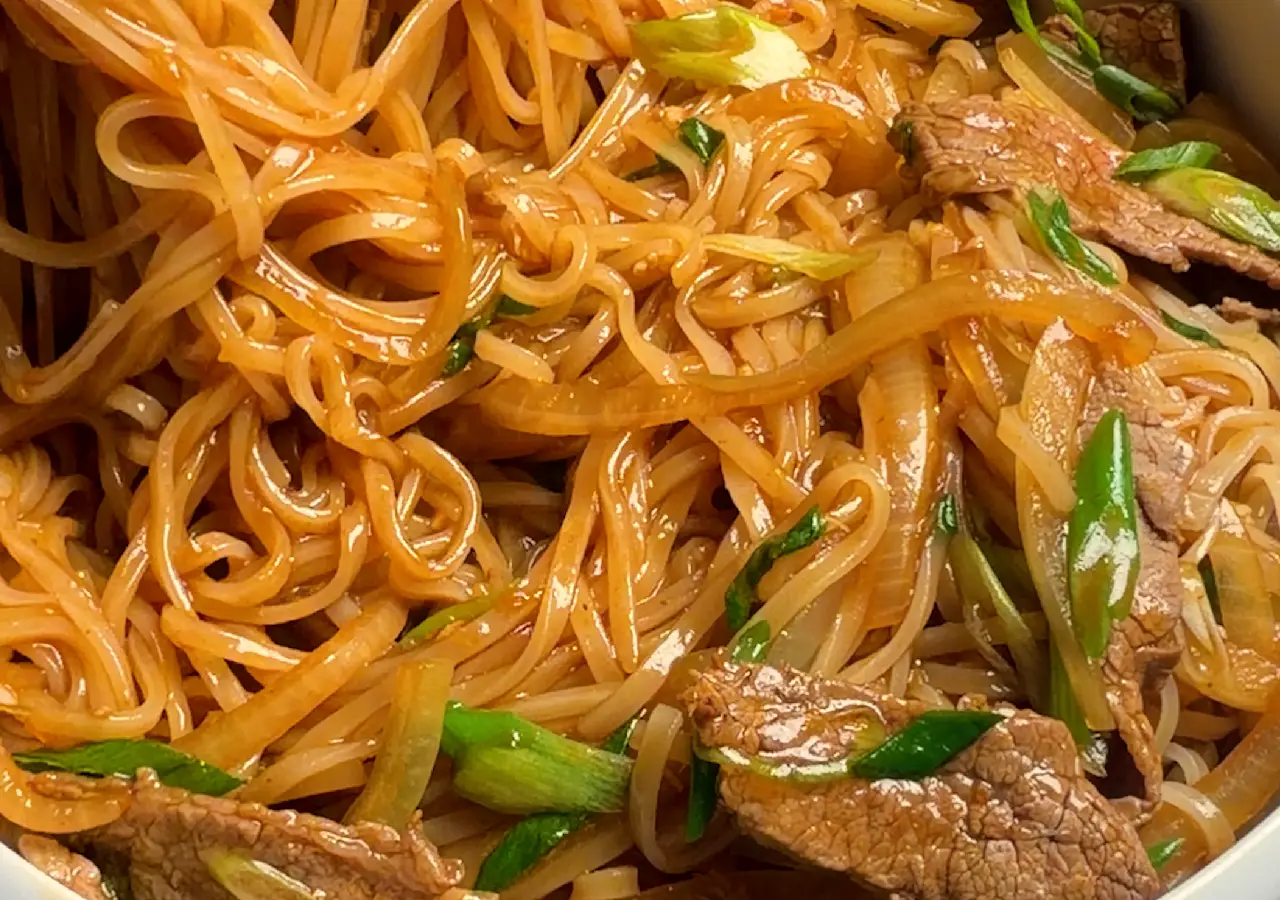
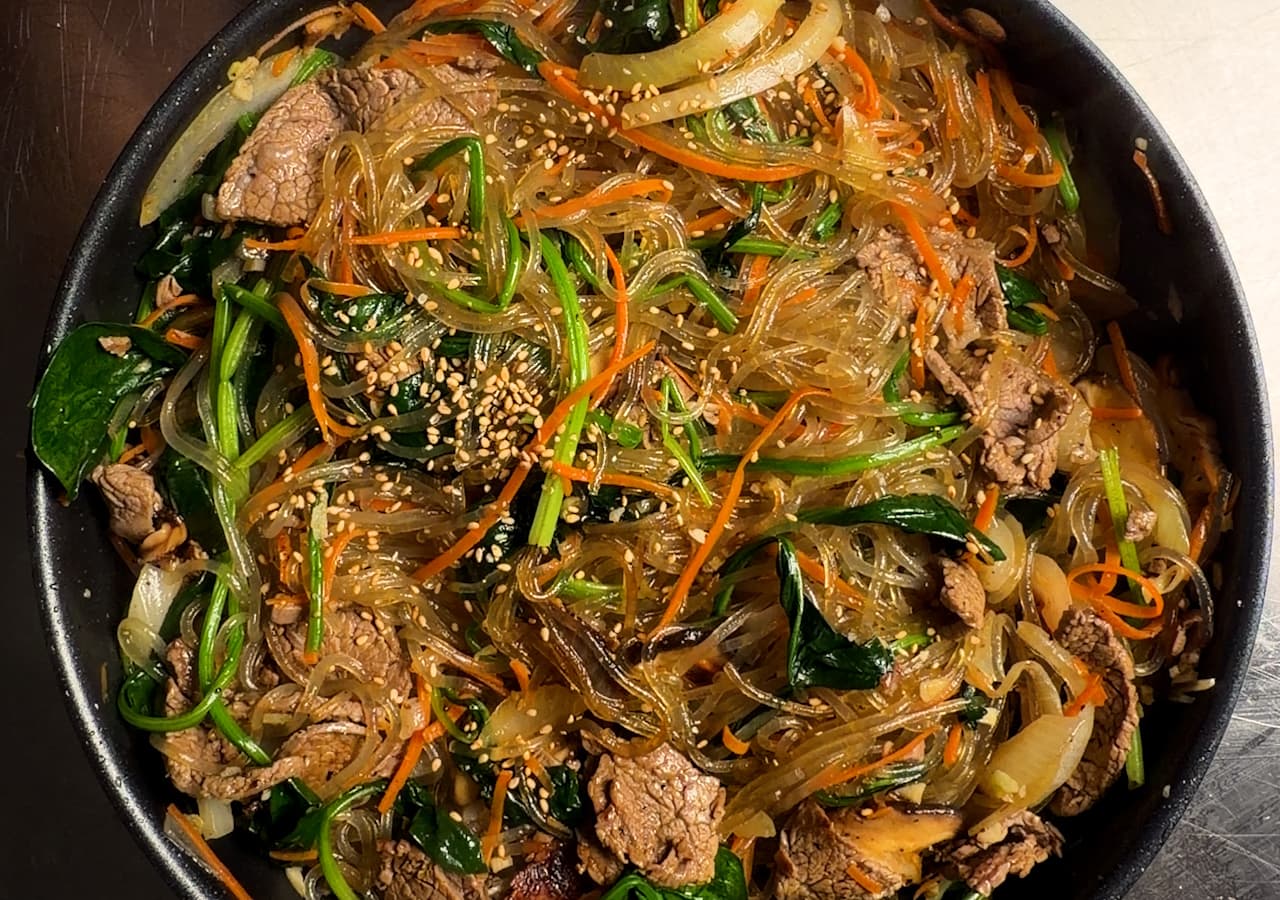
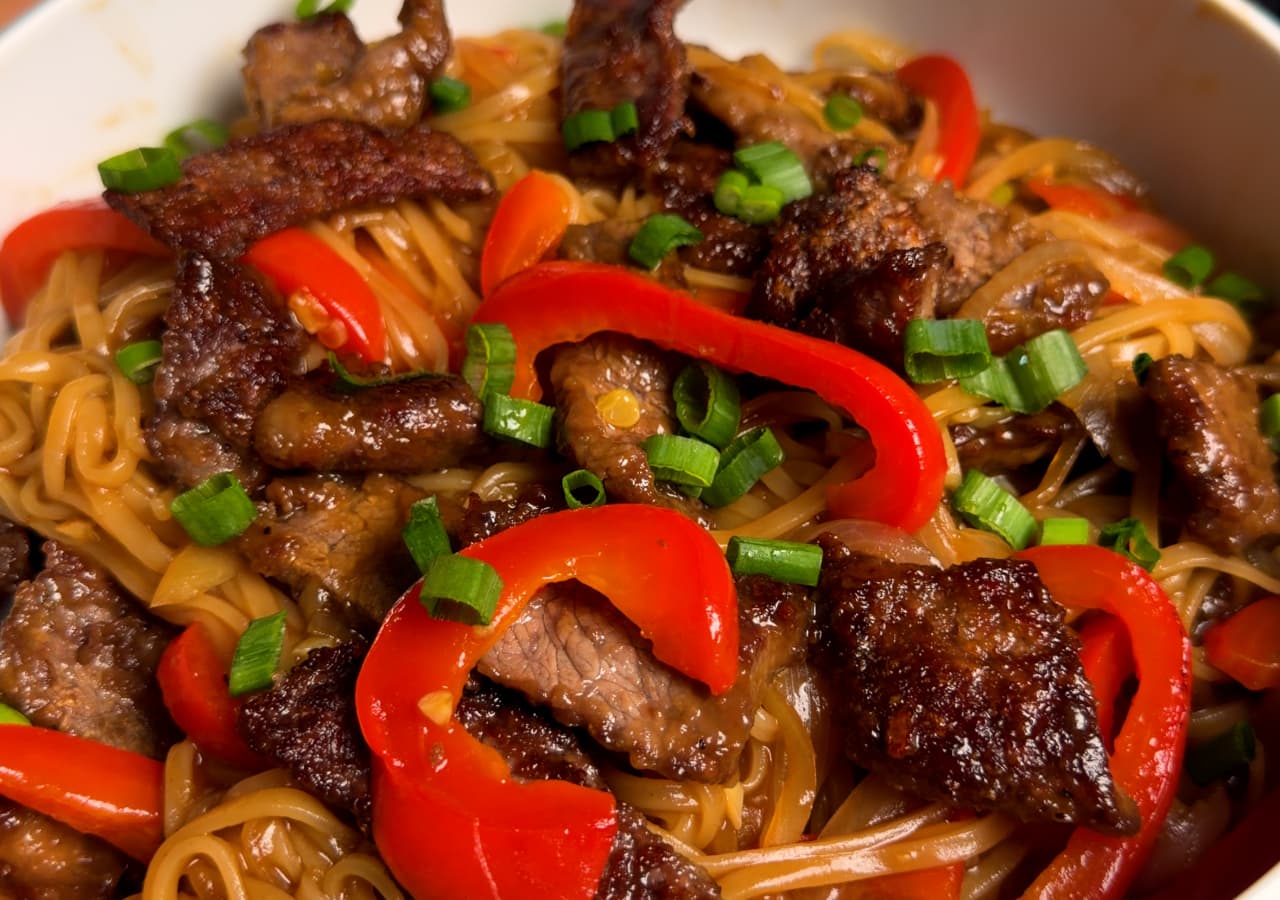
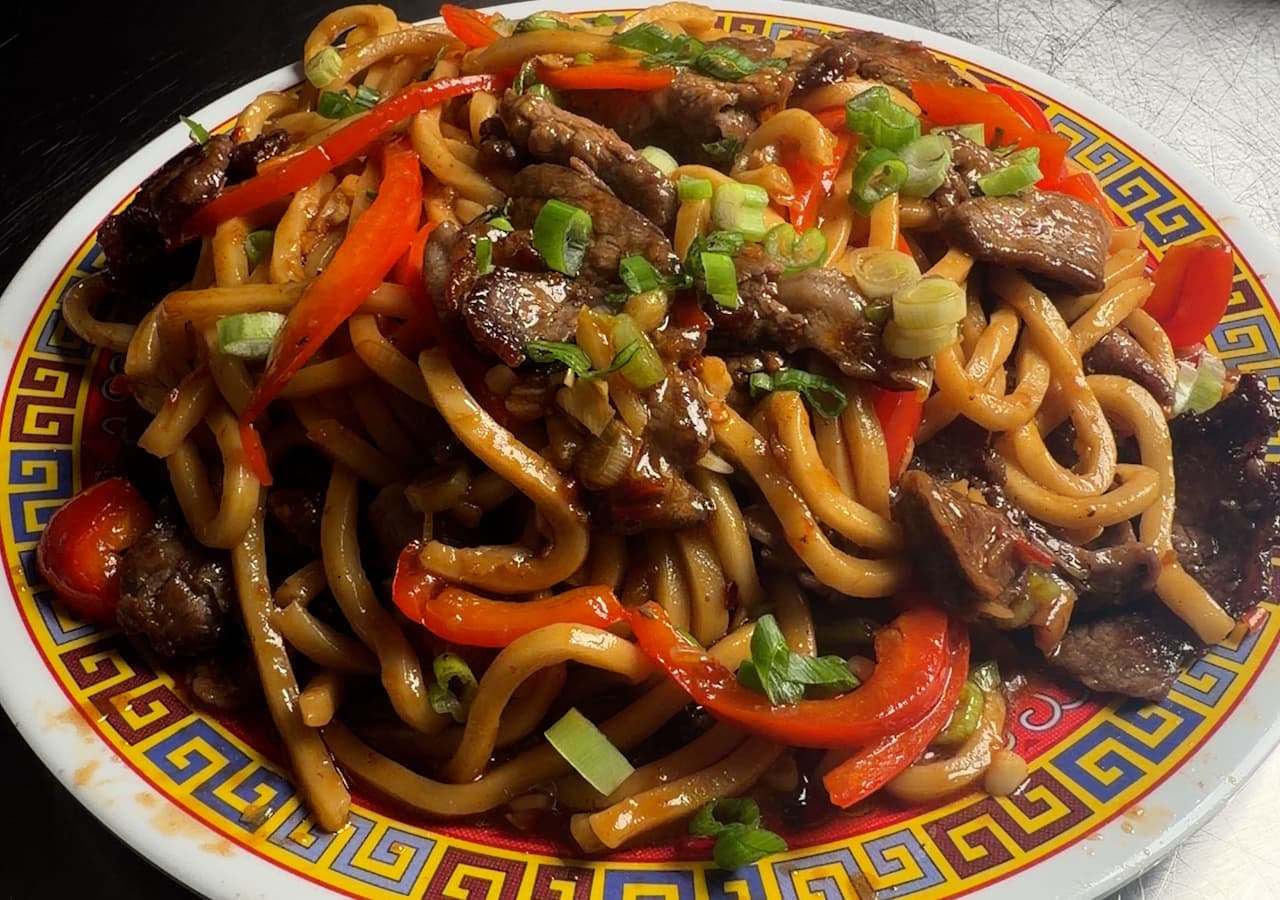
Dishes to try this on
Weekly articles
Enjoy the science? There's more every week.
New food science article every week. Sign up free to get notified, or go ad-free with membership.
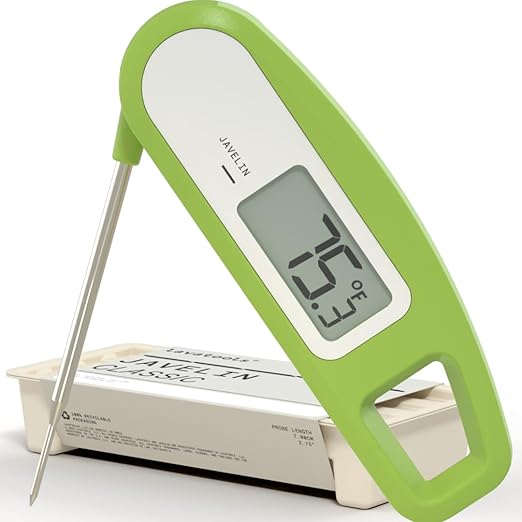
The shape rule gets you 80% of the way there. The Javelin gets you the rest. It reads in under 3 seconds, folds flat so it does not clutter your drawer, and is accurate to within 0.9°F. I use it on shrimp, steak, chicken, anything where a few degrees makes the difference between perfect and ruined. For shrimp specifically, pull at 145°F. You will never serve rubbery shrimp again.
Costco injects every bird with sodium phosphate before it hits the rotisserie. Here is what that compound does to chicken muscle, and how to replicate it at home with baking soda and a dry rest.