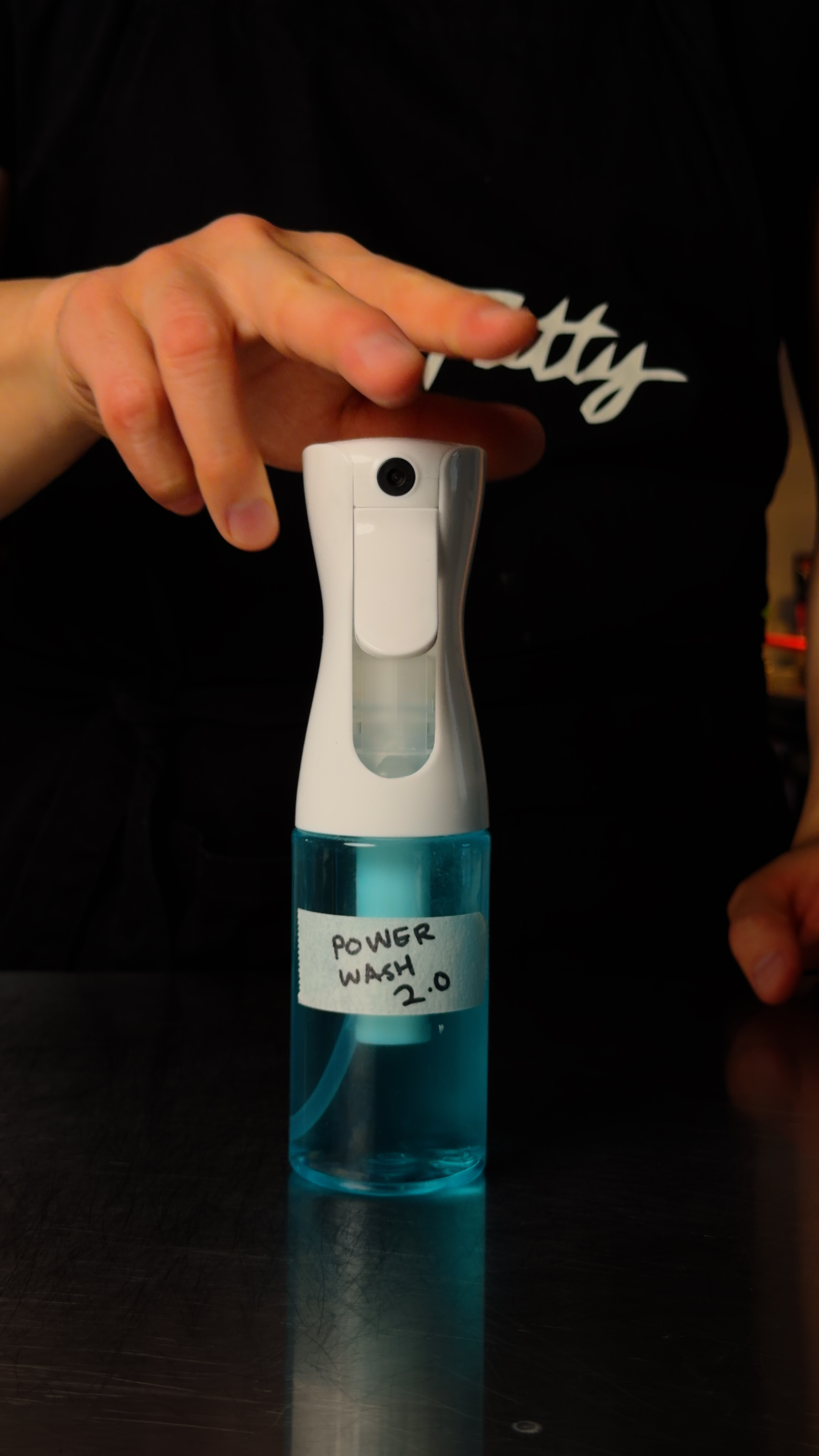
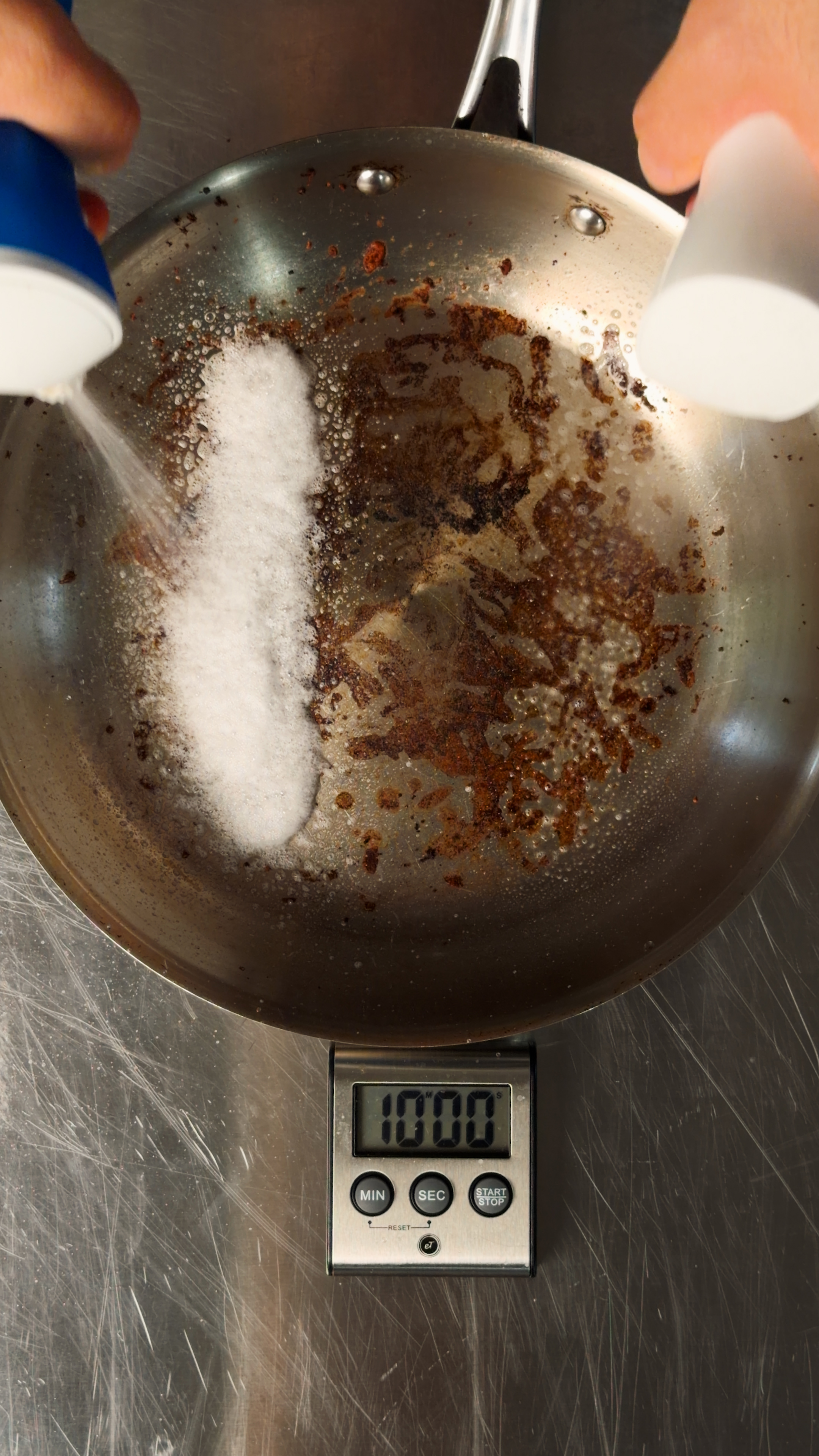
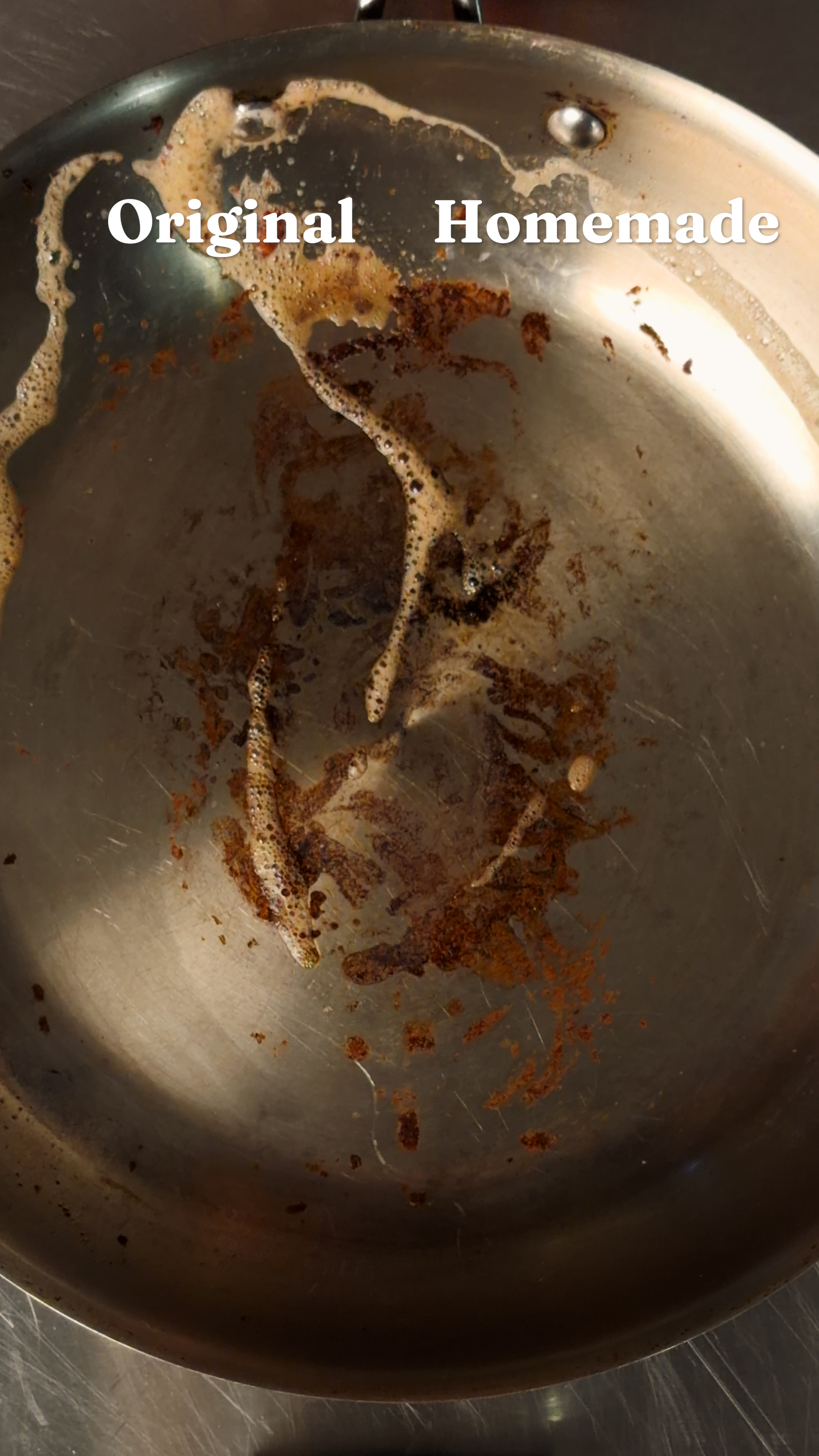
The recipe, ingredient by ingredient
Warm water at 110°F: the base
Water is the base that carries everything else. You want it at about 110°F (43°C). That is warm bath water, not boiling. Warm water helps the sodium citrate dissolve all the way. But it is not so hot that it makes the alcohol evaporate before it can mix in.
Sodium citrate (1 tsp): the hard water fighter
This is the one ingredient that depends on where you live. We add it because you are mixing the spray with your own tap water, and in much of the country that tap water is hard. The sodium citrate grabs the calcium and magnesium in your water. That way those minerals cannot weaken the soap before the spray even hits a dish.
Sodium citrate is just the salt form of citric acid, the sour stuff in lemons. You might know it from cooking. It is the same thing that makes cheese sauce smooth and stretchy instead of clumpy.
If you live in one of these hard water states, this ingredient is really pulling its weight:
Hardest water: AZ, NV, UT, NM, TX, OK, KS, IN, WI
Hard water: NE, WY, CO, SD, MN, ID, CA, FL
Soft water areas (the Pacific Northwest, New England, much of the Southeast) can use less. But a teaspoon never hurts. So the recipe keeps it simple and includes it for everyone.
Dawn Original dish soap (3 tbsp): the surfactants
This is the grease-lifting base. The surfactants in it grab grease so water can rinse it away.
It does not have to be Dawn. Any good dish soap has the same kind of surfactants and will work fine. We pick Dawn Original because it is strong, it is the same in every bottle, and you can find it in almost any store. If you trust another brand, use it. Just pick a regular liquid dish soap. Skip the "free and clear" or moisturizing kinds, because those add hand lotion that waters down the cleaning power.
91% isopropyl alcohol (2 tbsp): the helper and streak-stopper
Isopropyl alcohol (IPA for short) is not the grease dissolver here. That job belongs to d-limonene. IPA helps in two other ways. First, it is a co-solvent, which is a fancy word for a helper liquid. It lets the oily d-limonene blend into the watery base instead of splitting apart like oil and vinegar. Second, it dries fast and leaves nothing behind, so you get no streaks. IPA is a watery-type solvent, so it can wipe out light stuff like protein, sugar, and thin films. But it is weak against heavy, oily grease. This is the same job the denatured alcohol does in the real Power Wash.
Why 91% and not 70%? The 91% kind has less water in it. Less water means it dries faster and mixes better. The 70% kind is made for killing germs, and the extra water there is on purpose, to keep it wet on a surface longer. For cleaning, you want the opposite: a fast, clean dry-off that leaves no streaks.
D-limonene (1 tsp): the grease dissolver
D-limonene is a natural oil pressed from citrus peels. It is what gives oranges their fresh smell. More important, it is an oily solvent, and it is our swap for the glycol ether in the original.
Here is why it works. Grease is oily, and d-limonene is oily. Like dissolves like, so they melt right into each other. This is different from what surfactants do. Surfactants wrap around grease from the outside. D-limonene actually blends into it. For heavy, baked-on grease, this is the part that does what soap alone cannot.
Food-grade or not? You will see d-limonene sold in two grades. Food-grade means it is pure enough to meet food-safety rules, with tight limits on impurities. Technical or industrial grade is the same cleaning molecule with a looser purity standard. For this spray, either one works, because you rinse it off and never eat it. (The Dawn and the rubbing alcohol in here are not food-grade either.) Just make sure you buy pure d-limonene, not a pre-mixed cleaner with extra mystery ingredients, so your formula stays the same every time.
Add the d-limonene last, and swirl it in gently. Do not shake. It does not mix into water as easily as the other parts, the way oil floats on top of water. Shaking makes it foam up and split apart. The foaming bottle adds the bubbles for you when you press the pump.