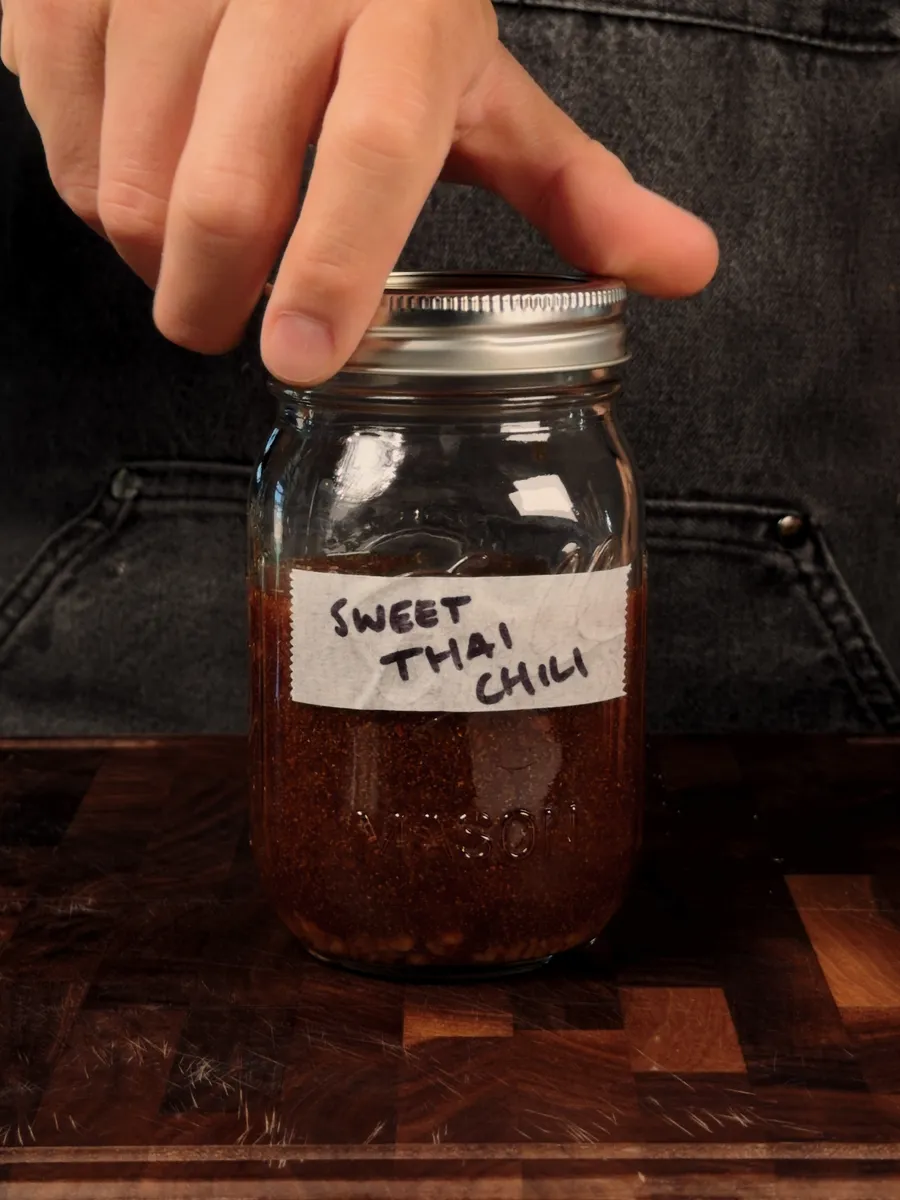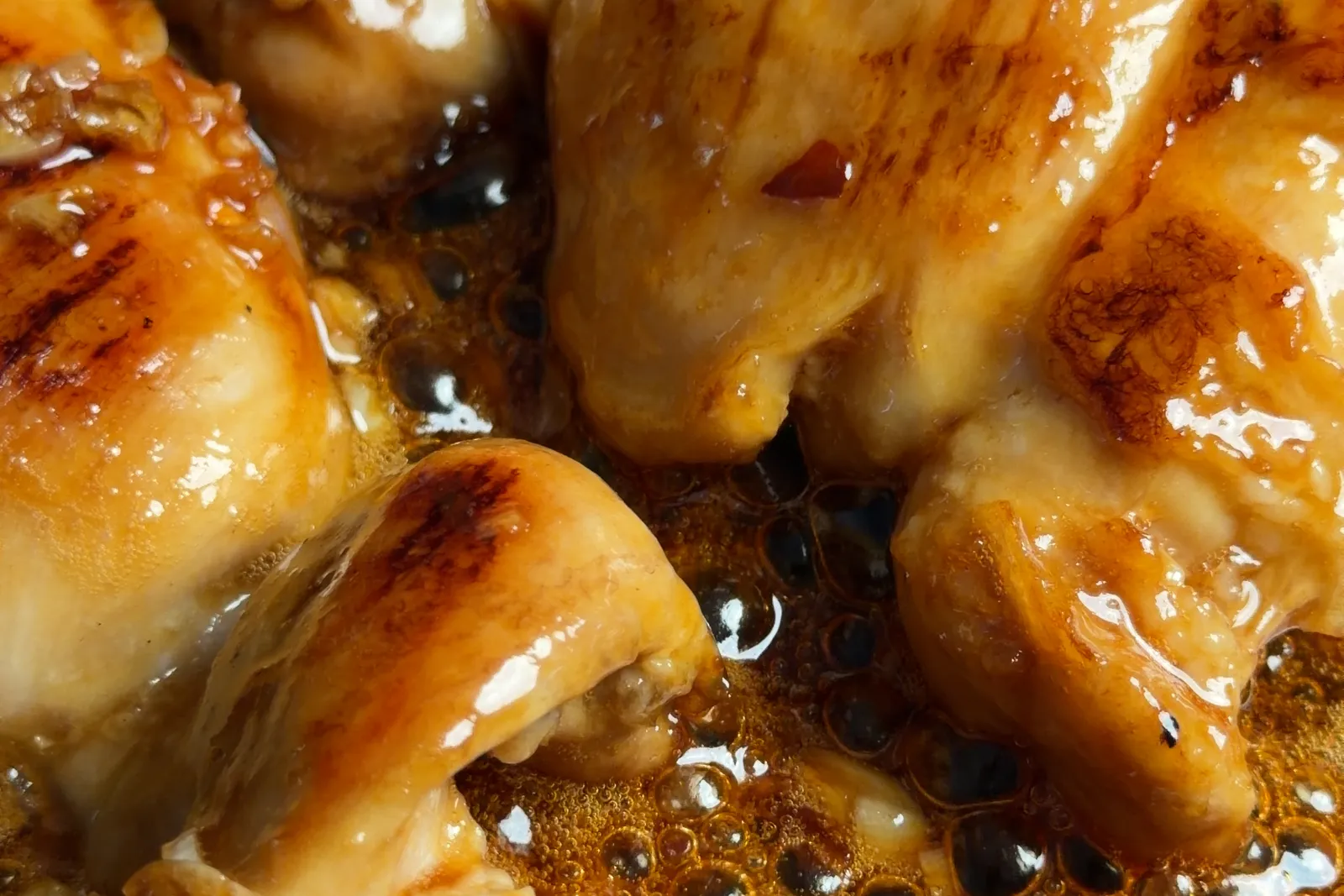
Open any Chinese, Thai, or Vietnamese cookbook and the sauce lists look like they have nothing in common. Kung pao, honey garlic, chili crisp, a plain brown house sauce. Different names, different heat, different colors. But if you taste them side by side and pay attention to what each one is actually doing on your tongue, the same small set of jobs shows up every single time.
A stir-fry sauce is not a memorized recipe. It is a set of dials. There are four of them, plus heat, and every sauce you have ever liked is just those dials turned up or down. Salty and umami is the backbone. Aromatic is the top note. Sweet rounds it off. Acid brightens it. Once you can hear each dial separately, you stop following recipes and start building sauce on purpose.
Here is the fun part: each dial has a whole menu of ingredients you can pull from, and they are interchangeable. Soy sauce and fish sauce both cover the salty backbone. Rice vinegar and lime both cover the acid. So you mix and match. Pick something from each dial, taste, and adjust the one that is missing or too loud. There is no single correct sauce, just combinations you like more or less. Below, each dial comes with its own menu, so you can build your own and find what you like. Then there are seven finished examples to copy or riff on.
The Formula
6 savory : 3 aromatic : 2 sweet : 1 acid
That is the backbone of almost every stir-fry sauce. Savory is the foundation, aromatics are the top note, sweet rounds it off, and acid brightens. Start here, then turn the dials to taste. For example: 6 tsp soy sauce, 3 tsp aromatics (grated garlic, ginger, and a little toasted sesame oil), 2 tsp sugar, and 1 tsp rice vinegar, plus stock, a cornstarch slurry, and a finishing drizzle of sesame oil. Below, each dial gets its own menu, and four finished sauces show it in action.