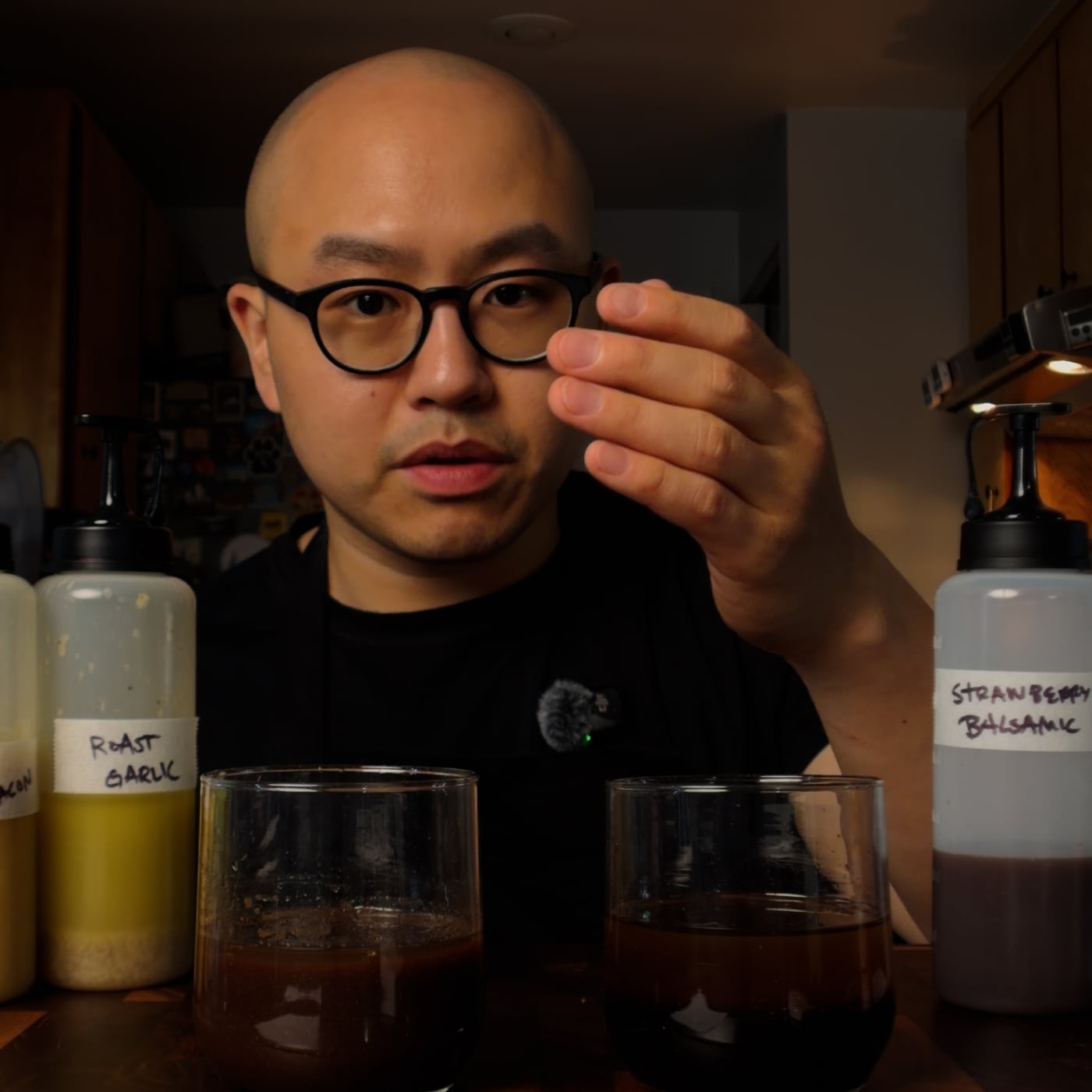
The Science of the Perfect Vinaigrette (And 4 Recipes That Prove It)
Most vinaigrettes break within minutes. The fix isn't shaking harder. It's understanding the chemistry of emulsification and choosing the right emulsifier for the flavor you want. Here are four vinaigrettes that follow one ratio, with one ingredient that changes everything.

Charles Kim·Chef Fatty
June 8, 2026
Why your homemade vinaigrette breaks
Pour oil and vinegar into a jar, shake it as hard as you can, and within two minutes it separates. The oil floats back to the top. The vinegar settles at the bottom. The dressing you just made is broken.
This is not a technique problem. It is a chemistry problem. Oil is hydrophobic (water-fearing), and vinegar is mostly water. The two molecules physically refuse to mix. Without something to bridge them, you have a temporary suspension at best, and it falls apart the moment the kinetic energy from your shaking stops.
That bridge has a name. It is called an emulsifier. And it is the single ingredient that separates a real vinaigrette from a jar of separated oil and acid.
The 9-3-1 Ratio
Every great vinaigrette follows the same formula. Nine parts oil. Three parts acid. One part emulsifier.
That is it. The reason this ratio works across cuisines and centuries is that it gives the emulsifier just enough proportion to bridge the oil and acid, without the emulsifier's flavor overwhelming the dressing. At small batch size (think one salad's worth), the 9-3-1 is the cleanest map.
For a standard salad-sized batch, that translates to:
- 9 tablespoons oil (about half a cup)
- 3 tablespoons acid (vinegar or citrus)
- 1 tablespoon emulsifier
Plus salt, pepper, and any aromatic extras to taste.
What an emulsifier actually does
An emulsifier is a molecule with two ends. One end is hydrophilic (water-loving), and the other end is hydrophobic (oil-loving). When you whisk it into a mixture of oil and acid, those two ends grab onto the two opposing liquids. The emulsifier becomes a microscopic bridge, holding tiny droplets of one liquid suspended evenly inside the other.
This is the same principle behind mayonnaise (egg yolk emulsifying oil and lemon), aioli (garlic and egg yolk emulsifying olive oil), and the cream sauce on a plate of cacio e pepe (cheese proteins holding fat and starchy water together).
What matters for a vinaigrette is that the emulsifier is concentrated enough that one tablespoon can do the work of holding nine tablespoons of oil and three tablespoons of acid together. And once you understand that, you stop reaching for Dijon mustard every time. There are at least a dozen emulsifiers that work in this ratio, and each one creates a completely different dressing.
The Emulsifier Family
Every emulsifier brings two things: the chemistry to hold the dressing together, and a flavor that defines what kind of dressing you are making. Picking the right one is about flavor first, then chemistry.
Mustards (mucilage emulsifiers)
Dijon mustard is the classic for a reason. Mustard seeds contain a compound called mucilage, a sticky polysaccharide that emulsifies oil and acid powerfully even at small amounts. Whole grain mustard works the same way, with more visible texture. The flavor adds spice and aroma to the dressing.
Fruit preserves (pectin emulsifiers)
Jam and preserves contain cooked pectin, a natural plant compound that emulsifies through its gel-forming properties. Strawberry, fig, apricot, and orange marmalade all work. They turn a vinaigrette sweet and fruit-forward, perfect for summer salads and balsamic-based dressings.
Savory pastes (protein and starch emulsifiers)
Roasted garlic puree is one of the most surprising emulsifiers. When you roast whole cloves of garlic, the heat breaks down the cell walls and concentrates the starches. Mashed into a paste, the starches and denatured proteins act as the emulsifier. The garlic itself becomes the only ingredient you need, adding deep caramelized sweetness without any added sugar.
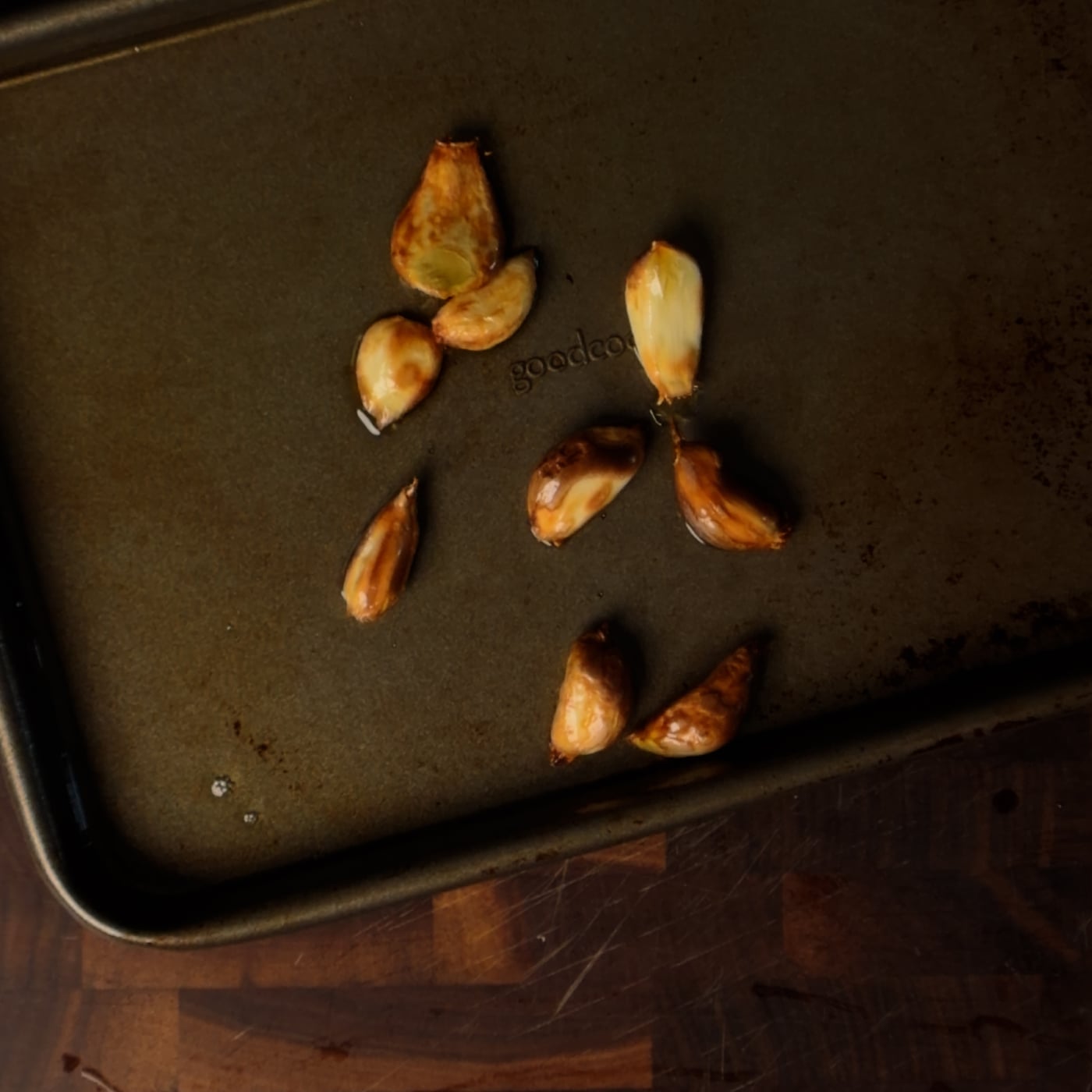
The same principle applies to:
- Miso paste (fermented soybean proteins)
- Anchovy paste (cured fish proteins)
- Tomato paste (concentrated pectin and proteins)
- Black garlic paste (fermented sugars and proteins)
These all bring umami depth that mustard cannot match.
Nut and seed butters (protein and oil emulsifiers)
Tahini is the obvious one. Sesame seed proteins, combined with the seed's own natural oils, make tahini a powerful emulsifier. Smooth peanut butter, almond butter, and cashew butter work the same way. These tip vinaigrettes toward Asian and Middle Eastern flavor profiles.
Four vinaigrettes that prove the framework
One ratio. Four completely different dressings. Each one uses a different emulsifier, and each one demonstrates what that emulsifier brings to the table beyond just holding the dressing together.
A. Honey Mustard Dijon Vinaigrette
Emulsifier: Dijon mustard (the classic)
- 9 tablespoons olive oil
- 3 tablespoons apple cider vinegar
- 1 tablespoon Dijon mustard
- 1 teaspoon honey
- Cracked black pepper, to taste
- Pinch of salt
Why Dijon: The mucilage in the mustard emulsifies oil and acid powerfully, while the mustard itself adds spice and a subtle aroma. The honey rounds out the sharpness of the vinegar. This is the universal vinaigrette every home cook should master before exploring further.
Best with: mixed greens, grilled chicken salads, roasted vegetables, anything that needs a clean classic dressing.
B. Balsamic Strawberry Vinaigrette
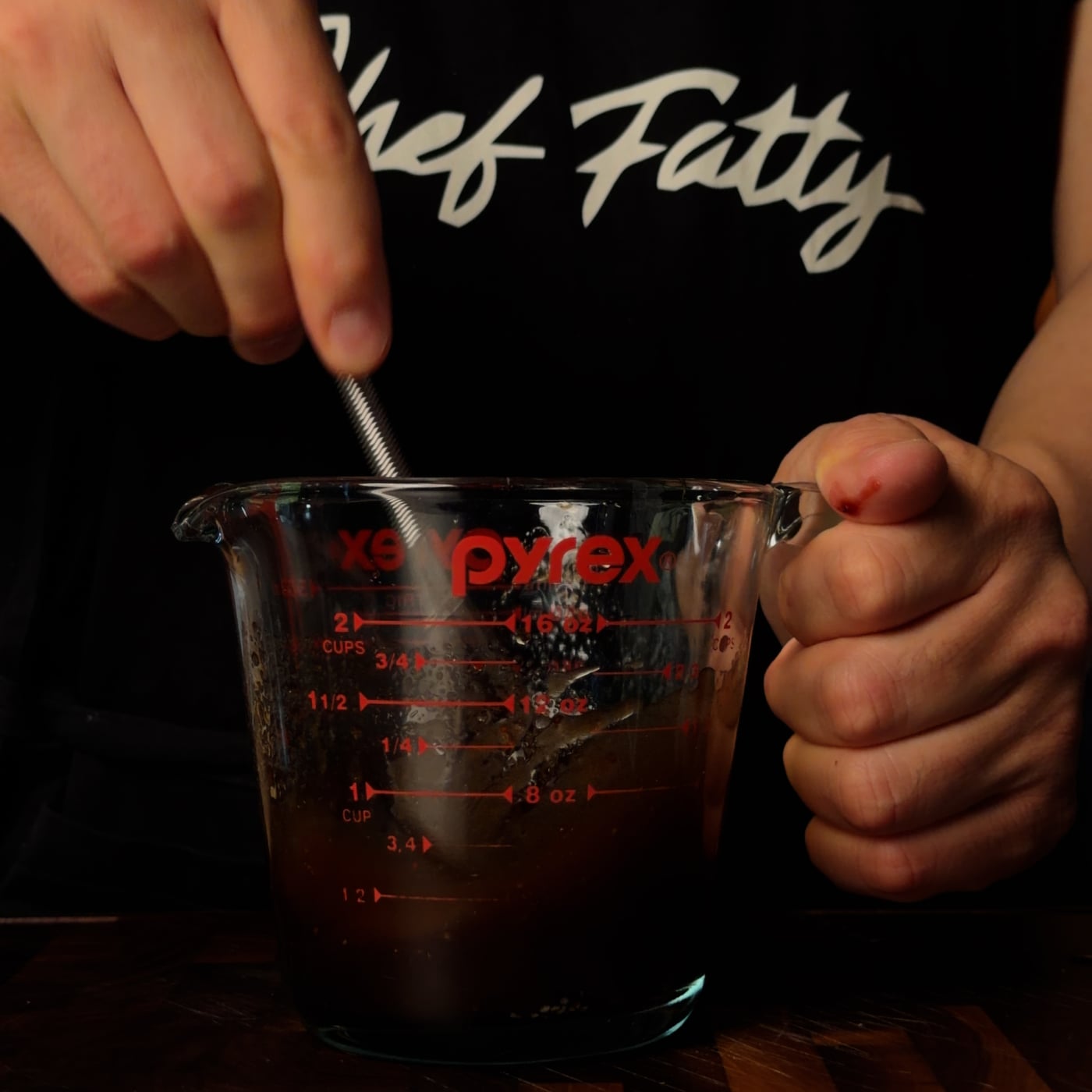
Emulsifier: strawberry preserves (NOT Dijon)
- 9 tablespoons olive oil
- 3 tablespoons balsamic vinegar
- 1 tablespoon strawberry preserves (or jam)
- 1 teaspoon honey
- Pinch of salt
- Optional: 2 tablespoons diced fresh strawberry for texture
Why preserves: The cooked pectin in jam is a powerful emulsifier on its own. Using preserves instead of Dijon keeps the dressing strawberry-forward, without mustard competing for attention. Sweet on sweet, with balsamic providing depth.
Best with: spinach salads with goat cheese and walnuts, summer berries, grilled stone fruit.
C. Roasted Garlic and Black Pepper Vinaigrette
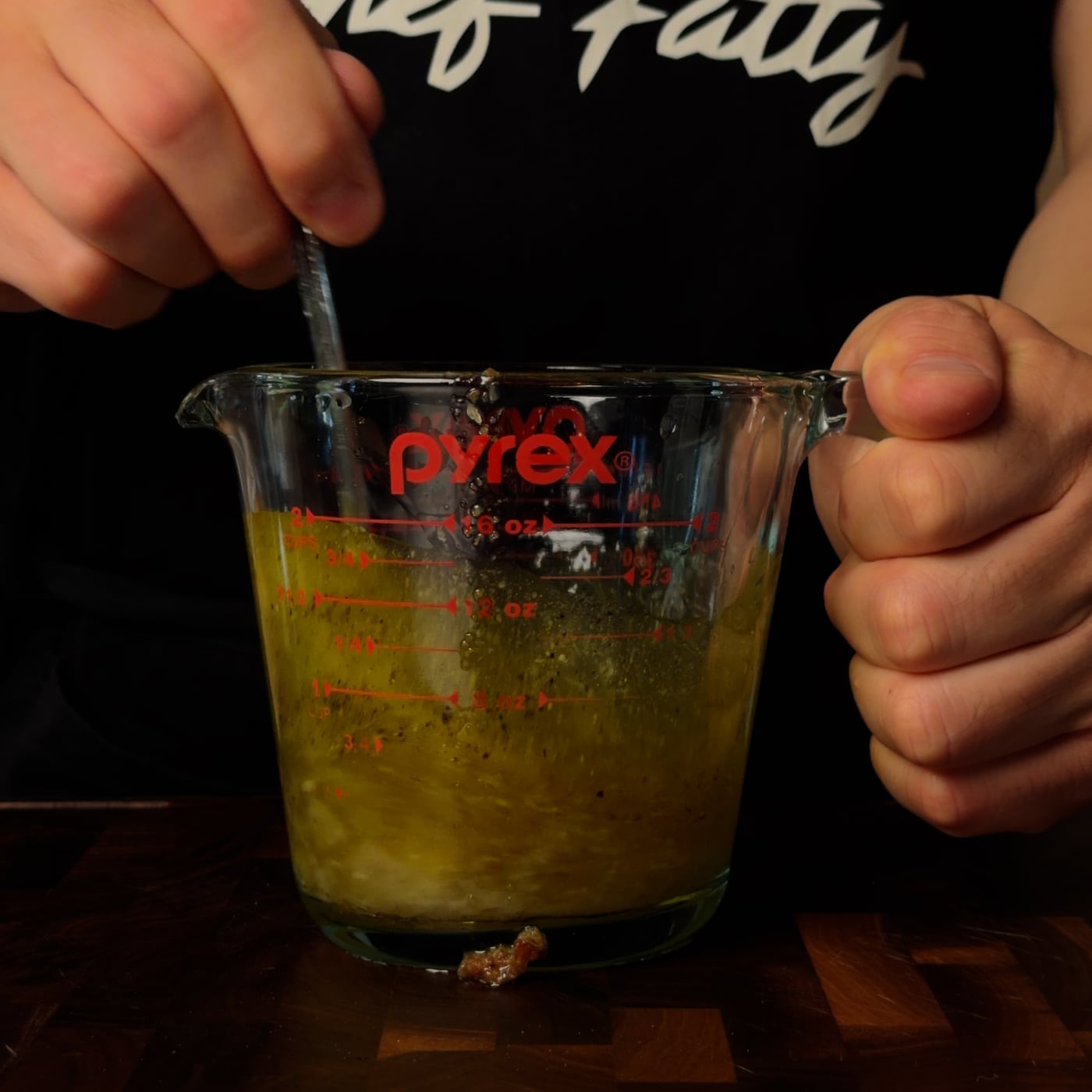
Emulsifier: roasted garlic puree (the garlic IS the emulsifier)
- 9 tablespoons olive oil
- 3 tablespoons white wine vinegar
- 1 tablespoon roasted garlic puree (4 cloves roasted at 400°F for 20 minutes, then mashed into a paste)
- 1 teaspoon cracked black pepper
- Pinch of salt
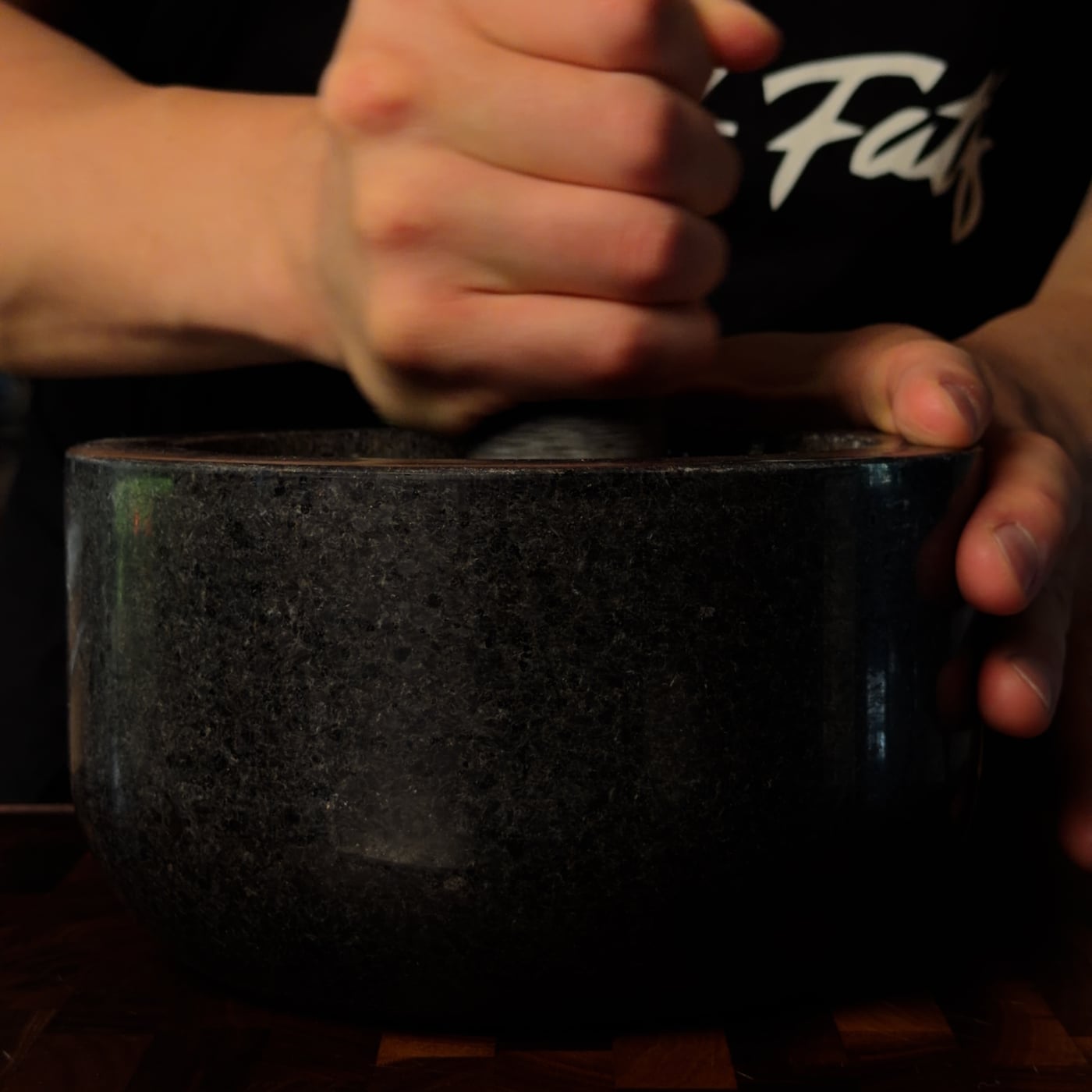
Why roasted garlic: Roasting breaks down the cell walls of the garlic and concentrates the starches. Mashed into a paste, it emulsifies oil and acid through its own proteins and starches. The result is a vinaigrette with deep caramelized sweetness, without any added sugar.
Best with: roasted vegetables, lentil salads, grilled steak salads, anything that wants a savory anchor.
D. Maple Bacon Vinaigrette
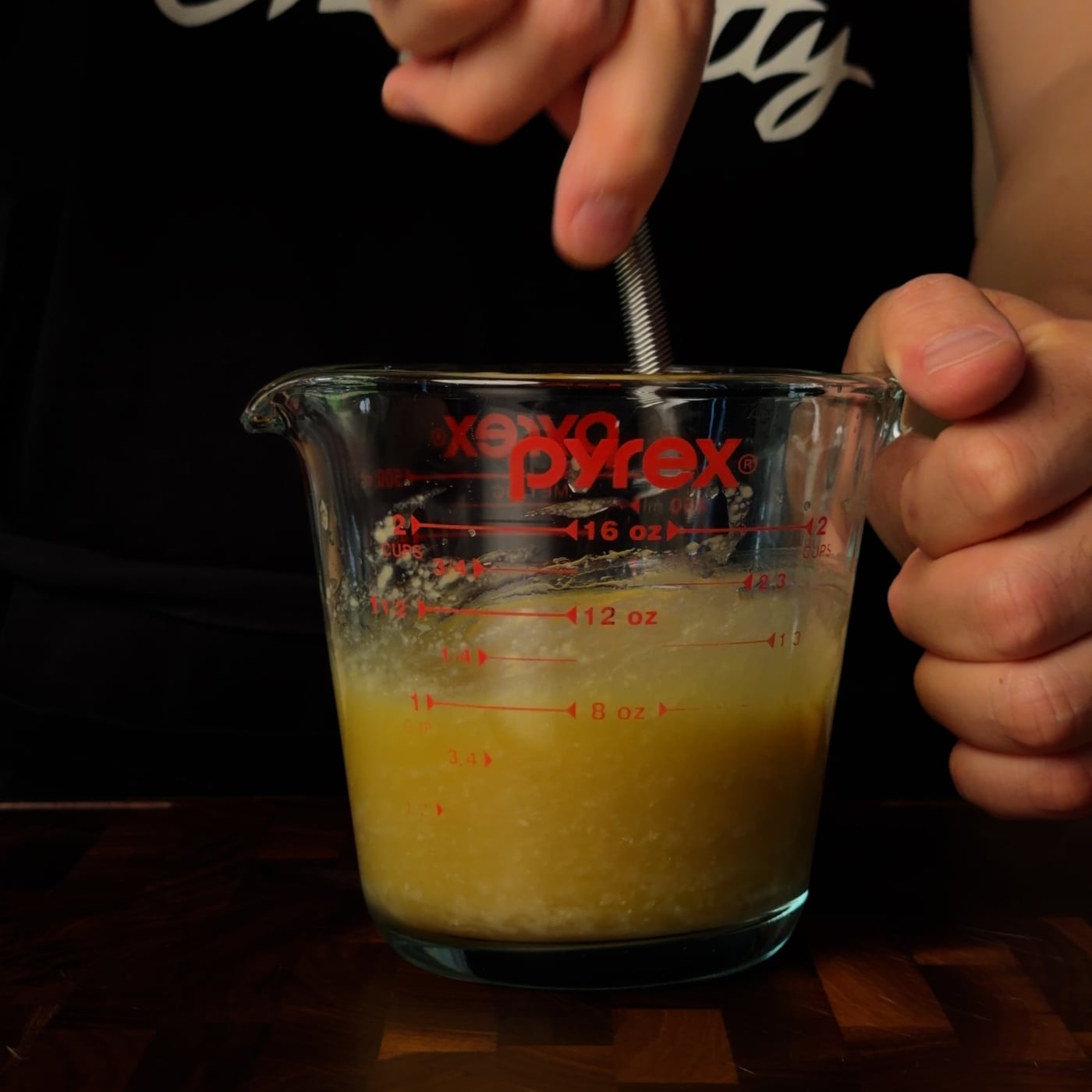
Emulsifier: white miso paste (NOT Dijon)
- 6 tablespoons olive oil + 3 tablespoons warm bacon fat (for the "9 parts" oil)
- 3 tablespoons apple cider vinegar
- 1 tablespoon white miso paste
- 1 tablespoon pure maple syrup
- 2 tablespoons crumbled cooked bacon (added at the end, not whisked in)
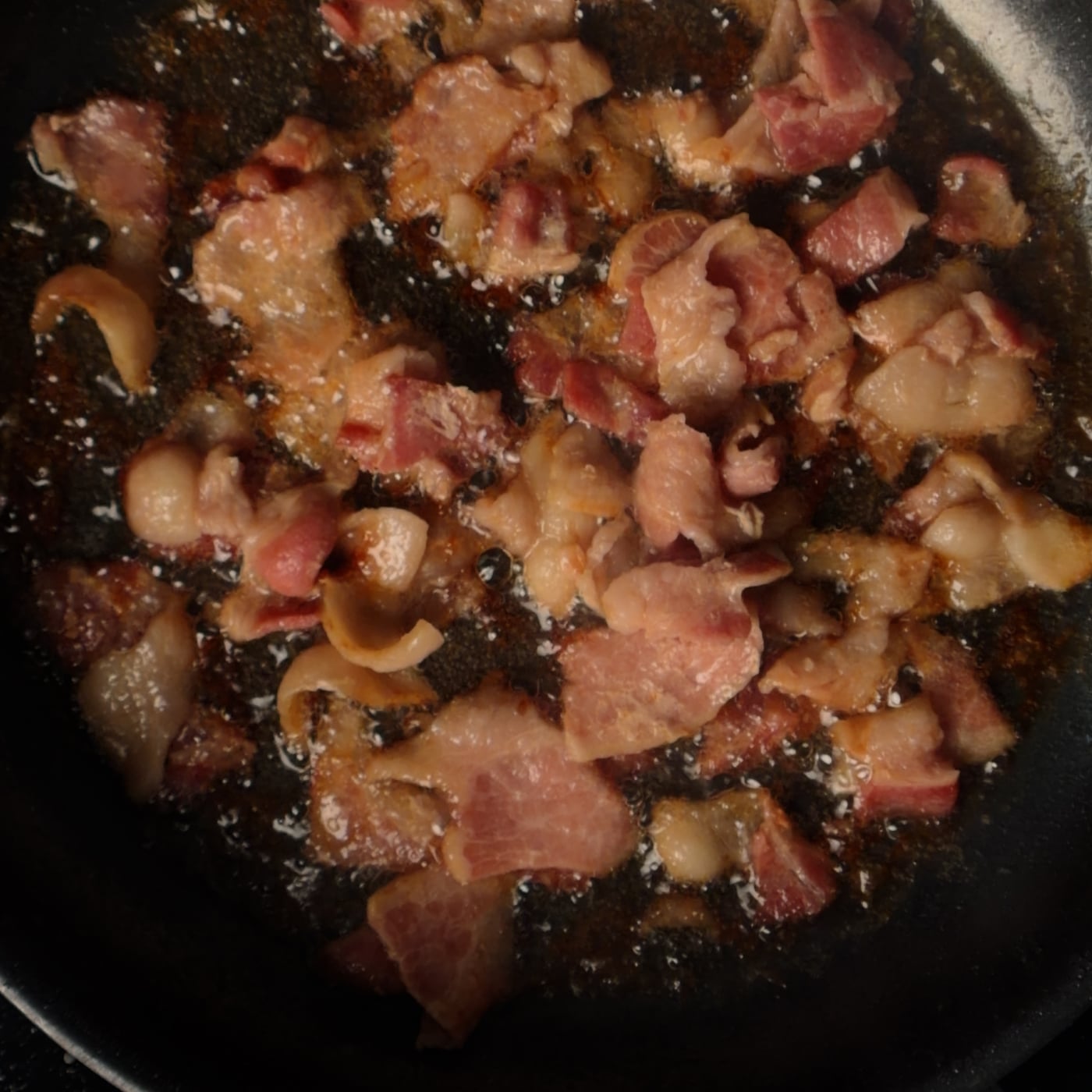
Why miso: White miso is a fermented soybean paste whose proteins emulsify cleanly. It also brings a savory umami depth that maple syrup alone cannot deliver. Miso plus bacon is a flavor-bomb pairing: salty, smoky, sweet, and savory all at once.
Best with: bitter greens (frisée, escarole, radicchio), wedge salads, roasted Brussels sprouts.
How to make any vinaigrette stay emulsified
The technique
- Whisk acid and emulsifier first. Combine the vinegar, emulsifier, and any small amounts (honey, salt, pepper) in a bowl. Whisk until the emulsifier dissolves into the acid.
- Stream in the oil slowly. While whisking continuously, pour the oil in a thin steady stream. Going slowly lets the emulsifier coat each droplet of oil as it enters the mixture.
- Whisk until thickened. A properly emulsified vinaigrette should look slightly creamy and coat the back of a spoon.
If you are in a hurry, the jar method works too: combine all ingredients in a sealed jar and shake vigorously for 30 seconds. The result is slightly less stable than a whisked version, but it is fine for immediate use.
Storage
A properly emulsified vinaigrette keeps in the refrigerator for 1 to 2 weeks. Some separation is normal after sitting; just give the jar a vigorous shake before each use. If you used fresh garlic, citrus zest, or any raw alliums, lean toward the 1-week side for safety.
What breaks an emulsion
- Adding oil too fast. The emulsifier needs time to surround each droplet. Pour slow.
- Insufficient whisking. Vigorous, continuous whisking is what creates the suspension. Half-hearted whisking yields half-hearted emulsions.
- Using a weak emulsifier alone. Honey or maple syrup on their own are not strong enough to hold a vinaigrette together. Always pair them with a true emulsifier (mustard, preserves, miso, etc.).
- Extreme temperature changes. A cold dressing left in a hot kitchen, or vice versa, can break the emulsion. Bring it to room temperature before serving and give it a stir.
Scaling up: what changes
The 9-3-1 ratio is calibrated for small-batch dressings (one salad's worth). When you scale up for a dinner party or a meal prep batch, the chemistry changes slightly.
The emulsification threshold is non-linear. Once you have enough emulsifier to bond the oil and acid, more does not help bind anything more. It just adds flavor. So when scaling up by 4x, you do not need 4x the emulsifier. For strong-flavored emulsifiers like anchovy paste, red miso, or harissa, scaling at 50 percent (2x emulsifier for a 4x batch) keeps the flavor balanced. For milder emulsifiers like Dijon or fruit preserves, scaling closer to linear works fine.
Your turn: build your own vinaigrette
You have the framework. You have four working recipes. Now the real fun starts.
Pick one oil, one acid, and one emulsifier from the lists below. Combine them at the 9 to 3 to 1 ratio. Taste. Adjust. Write down what works. You just invented your own vinaigrette.
Oils and fats (pick one for the "9")
- Extra virgin olive oil: classic, fruity, all-purpose
- Refined or light olive oil: milder, lets other flavors shine
- Avocado oil: neutral, buttery, high smoke point
- Grapeseed oil: very neutral, perfect when the emulsifier is the star
- Walnut oil: nutty, distinctive, great with fruit salads
- Hazelnut oil: sweeter, dessert-adjacent
- Pistachio oil: bright green, premium, one drizzle is enough
- Pumpkin seed oil: Austrian specialty, deep nutty notes
- Toasted sesame oil: use as an accent (1 teaspoon in a neutral base), too strong for the full "9"
- Warm bacon fat: mix with olive oil to make up the 9 parts, warm only
- Brown butter: nutty richness, warm only when emulsifying
- Duck fat or schmaltz: game-changing on hearty salads
- Chili crisp oil (strained from the chunky bits): smoky with hidden heat
- Garlic-infused oil: doubles down on garlic when your emulsifier is roasted garlic too
Acids (pick one for the "3")
- Apple cider vinegar: fruity, mild, the universal default
- White wine vinegar: clean, neutral, French-leaning
- Red wine vinegar: bold, classic, hearty
- Champagne vinegar: delicate, refined, slightly sweet
- Sherry vinegar: nutty, complex, Spanish
- Balsamic vinegar: sweet, syrupy, pairs with fruit emulsifiers
- White balsamic: same sweetness, lighter color
- Rice vinegar: mild, slightly sweet, Asian-friendly
- Chinkiang (Chinese black) vinegar: deep, almost smoky
- Fresh lemon juice: bright, universal
- Fresh lime juice: zingier than lemon, perfect for nut butters and miso
- Fresh orange juice: softer acid, sweeter
- Fresh grapefruit juice: bitter-bright, distinctive
- Verjus: unripe grape juice, gentle acid for delicate dressings
- Pomegranate molasses: concentrated tart-sweet (use a little less, it is strong)
- Yuzu juice: Japanese citrus, complex and floral
- Tamarind paste: sour-sweet, fruity, Southeast Asian
Emulsifiers (pick one for the "1")
- Dijon mustard: classic, sharp, universal
- Whole grain mustard: earthier, textured
- Egg yolk: rich, creamy, makes the dressing thicker
- Tahini: nutty, earthy, Middle Eastern
- White miso paste: sweet umami, mellow
- Red miso paste: salty, fermented, stronger
- Anchovy paste: pure umami punch, no fishiness when balanced
- Tomato paste: Italian, concentrated
- Sun-dried tomato paste: even deeper than regular tomato paste
- Roasted garlic puree: caramelized, mellow, sweet without sugar
- Black garlic paste: fermented, almost balsamic-like
- Strawberry preserves: sweet, summery, floral
- Fig preserves: honeyed, woodsy
- Apricot jam: stone fruit, mellow
- Orange marmalade: citrus-bitter, complex
- Smooth peanut butter: rich, nutty-sweet, Asian-leaning
- Almond butter: milder, sweeter, versatile
- Cashew butter: creamy, mild, almost neutral
- Gochujang: Korean spicy-sweet-fermented
- Harissa paste: North African smoky-spicy
- Yuzu kosho: Japanese fermented chili-citrus
- Curry paste (Thai red or green): aromatic complexity
Five combinations to spark ideas
If you need a starting point, try these. Each one is a different combination of oil, acid, and emulsifier.
- Champagne Tahini. Avocado oil, champagne vinegar, tahini, pinch of cumin. Drizzle on butter lettuce with shaved radish.
- Sherry Black Garlic. Olive oil, sherry vinegar, black garlic paste, cracked pepper. Drizzle on grilled steak salads.
- Lime Peanut. Grapeseed oil, lime juice, smooth peanut butter, a drop of toasted sesame oil. Drizzle on Asian slaw.
- Yuzu Miso. Avocado oil, yuzu juice (or lemon + a splash of orange), white miso paste. Drizzle on cucumber and avocado salad.
- Pomegranate Sun-Dried Tomato. Olive oil, pomegranate molasses (use 2 tablespoons, not 3, it is strong), sun-dried tomato paste. Drizzle on roasted eggplant or warm farro.
You will not get every combination right. Some will be too sharp, some too sweet, some too rich. That is the fun part. Write down the ones that work, and remember which oil, which acid, and which emulsifier you used. You are building your own vinaigrette library.
The cooking through science takeaway
A vinaigrette is one of the simplest applications of food chemistry in any kitchen. Oil and water do not mix, but the right molecule (an emulsifier) creates a bridge between them, and that bridge can come from a dozen different sources, each with its own flavor.
Once you understand the 9-3-1 ratio and the role of the emulsifier, you stop following individual vinaigrette recipes. You start building them. You pick an oil, an acid, and an emulsifier based on what salad you are dressing, what flavor zone you want, and what you have in your pantry. One framework. Endless dressings.
Weekly articles
Enjoy the science? There's more every week.
New food science article every week. Sign up free to get notified, or go ad-free with membership.
What to read next
Comments
Sign in to join the discussion.Sign in
Members only
Go ad-free for $1/week
Remove all ads across the site, unlock chef's notes and dietary substitutions, and support the science content that keeps coming.
Get Membership