Pink pork is safe, and cooking it to 160°F is what dries it out. Here is the temperature science: the 145°F rule, carryover, why thick and thin chops come off at different numbers, and the dry brine that buys you a wider margin.
Charles Kim·Chef Fatty
July 8, 2026
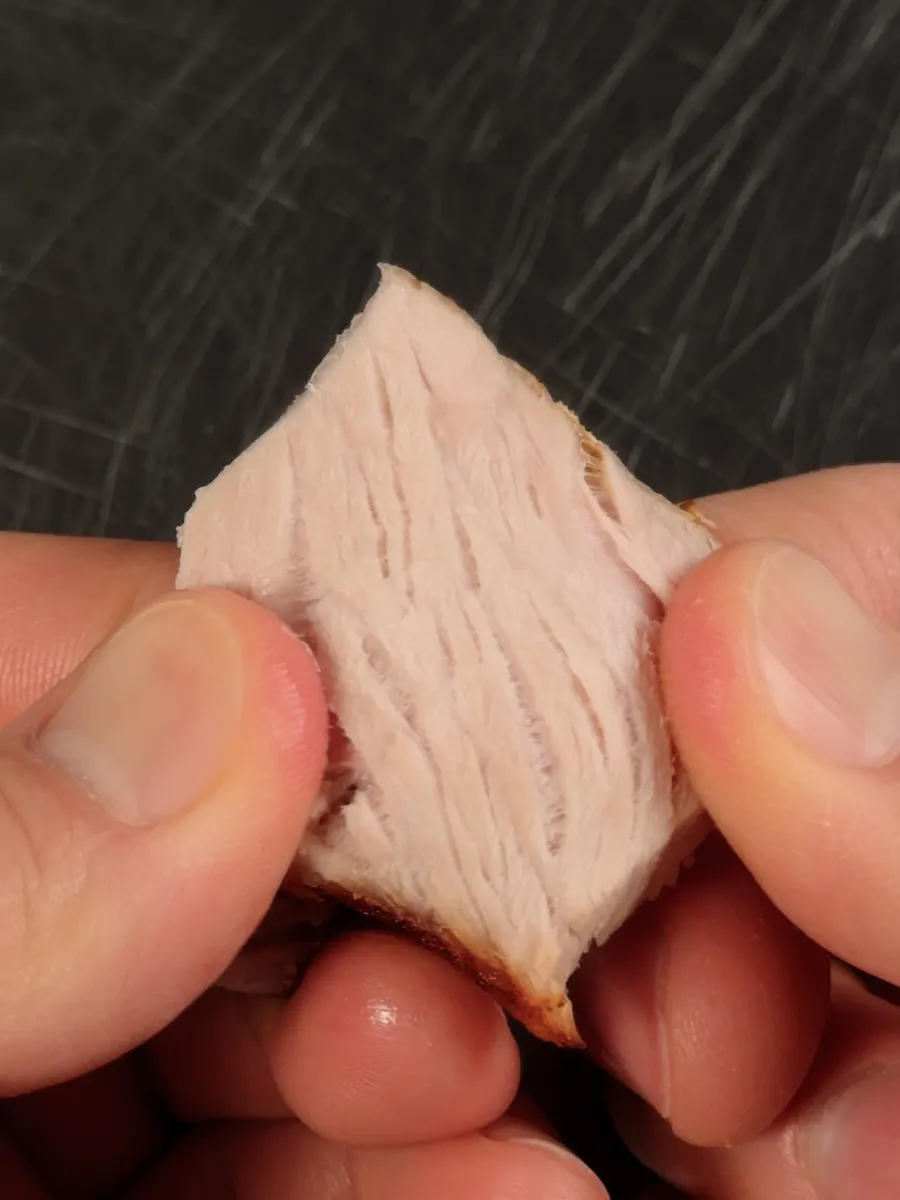
A chop pulled at 145°F and rested: safe, and still holding a blush of pink and its juice.
If your pork chops keep coming out dry and chalky, the recipe is probably not the problem. The temperature is. Most of us were taught to cook pork until it is cooked "all the way through," which in practice means gray, firm, and squeaky. That habit made sense decades ago. It does not make sense now, and it is the single biggest reason a good chop turns into a hockey puck.
The fix is not a marinade or a secret ingredient. It is understanding two numbers and one clock: the temperature pork is actually safe at, the temperature at which it starts losing water fast, and the three minutes of rest that make the whole thing work. Once you see how heat moves through a piece of meat, cooking a juicy chop stops being luck and starts being repeatable.
Pink pork is safe now
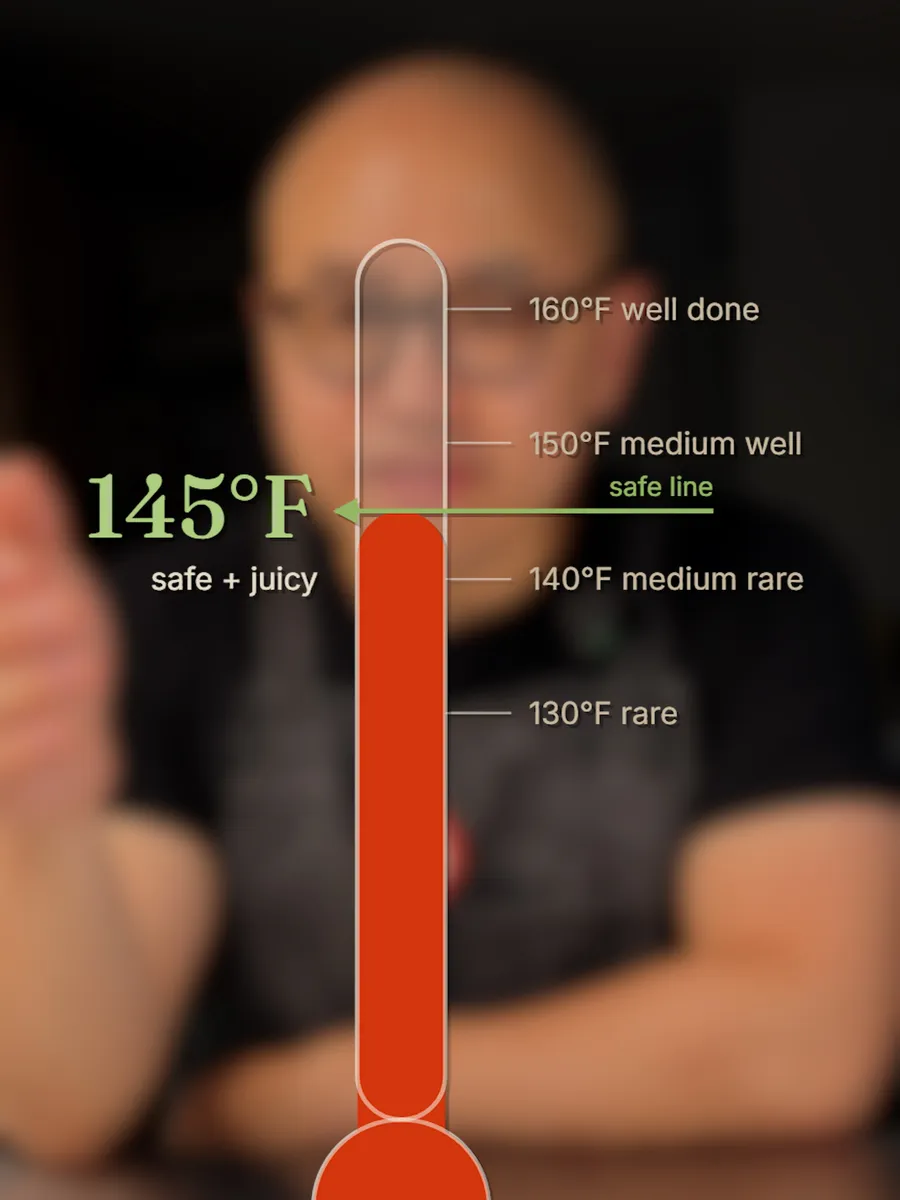
In 2011 the USDA lowered the safe cooking temperature for whole cuts of pork from 160°F all the way down to 145°F (63°C). That is a meaningful drop. A chop pulled at 145°F is safe to eat, and at that temperature it will very often still show a blush of pink in the center. That pink is normal. It is not a sign of undercooked or dangerous meat.
The modern safe line for whole cuts is 145°F. The old 160°F habit sits deep in the dry zone.
The one rule attached to 145°F is a rest. The USDA standard is 145°F internal plus a three-minute rest before you cut into it. During that rest the meat holds enough heat, for enough time, to keep killing off any pathogens. That combination of temperature and time is what makes 145°F with a rest just as safe as the old 160°F number, while leaving the meat far juicier. We will come back to why that rest matters in a minute.
Two important limits. First, this applies to whole cuts: chops, roasts, steaks, tenderloin, anything that is a solid intact piece of muscle. Ground pork is different, because grinding spreads any surface bacteria all the way through the meat. Ground pork still needs to hit 160°F. Second, the whole reason people fear pink pork is trichinosis, a parasite scare that is essentially a historical footnote. Trichinella has been all but eliminated from US commercial pork, and even where it did exist, the parasite is killed at about 137°F. That is well below 145°F. In other words, by the time your chop is safe by the modern standard, the old fear was already handled with room to spare.
Why overcooking dries it out
Meat is mostly water held inside bundles of muscle protein. When you apply heat, those proteins denature, meaning they unwind and then contract and tighten. As they tighten, they physically squeeze water out of the meat, the same way wringing a wet cloth pushes water out of the fibers. A little of this is fine and even desirable. Too much is what "dry" tastes like.
The key is that the water loss is not steady. It accelerates. Below about 150°F the meat gives up moisture slowly and stays tender and juicy. Push past roughly 150°F to 155°F internal and the proteins contract hard, the loss speeds up sharply, and the chop turns firm, fibrous, and dry. This is why the gap between a great chop and a sad one can be just ten degrees. The old habit of cooking to 160°F and beyond sits squarely in the zone where a chop has already wrung most of its water out onto the cutting board. You were not doing anything wrong with the pan. You were just aiming at the wrong number.
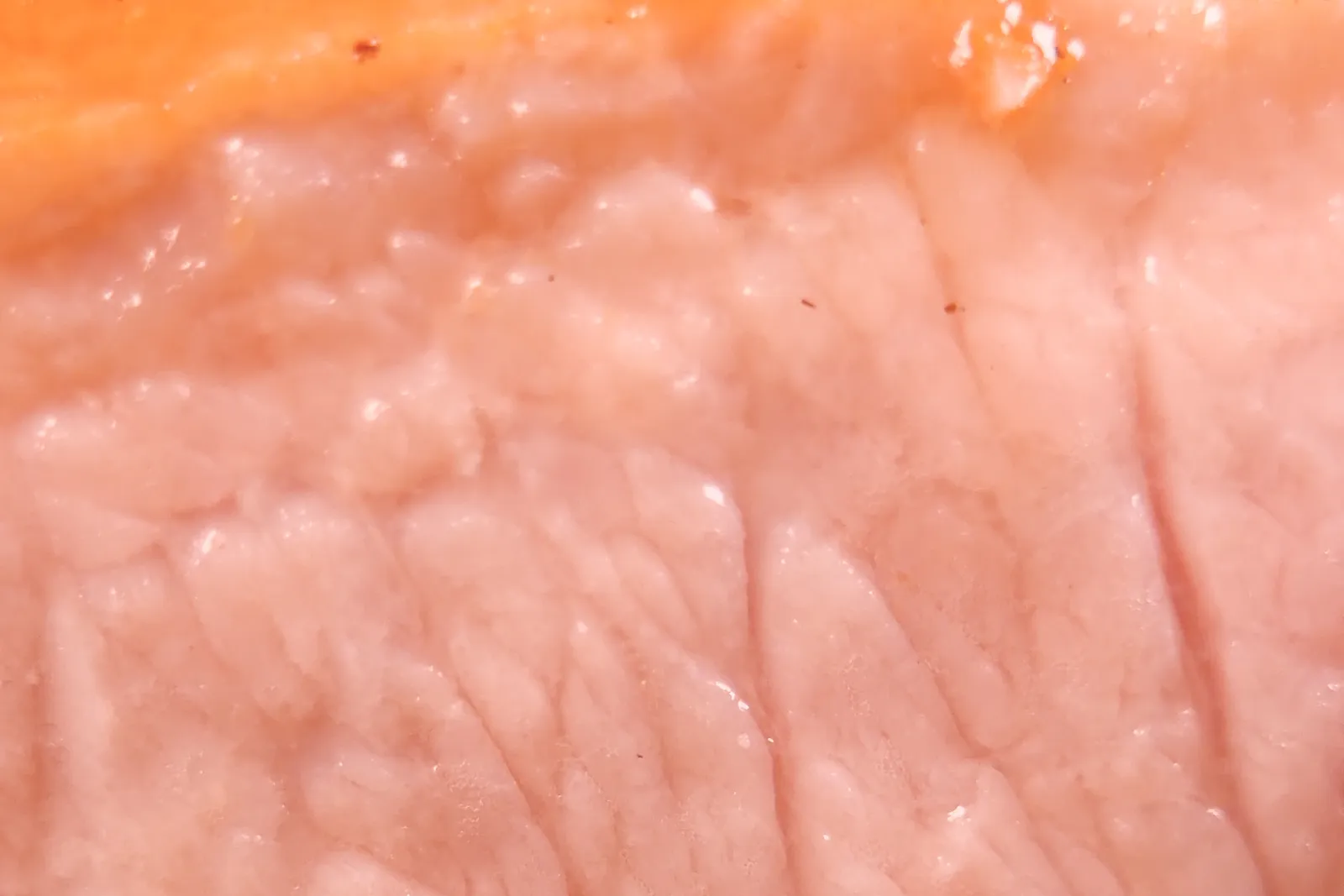
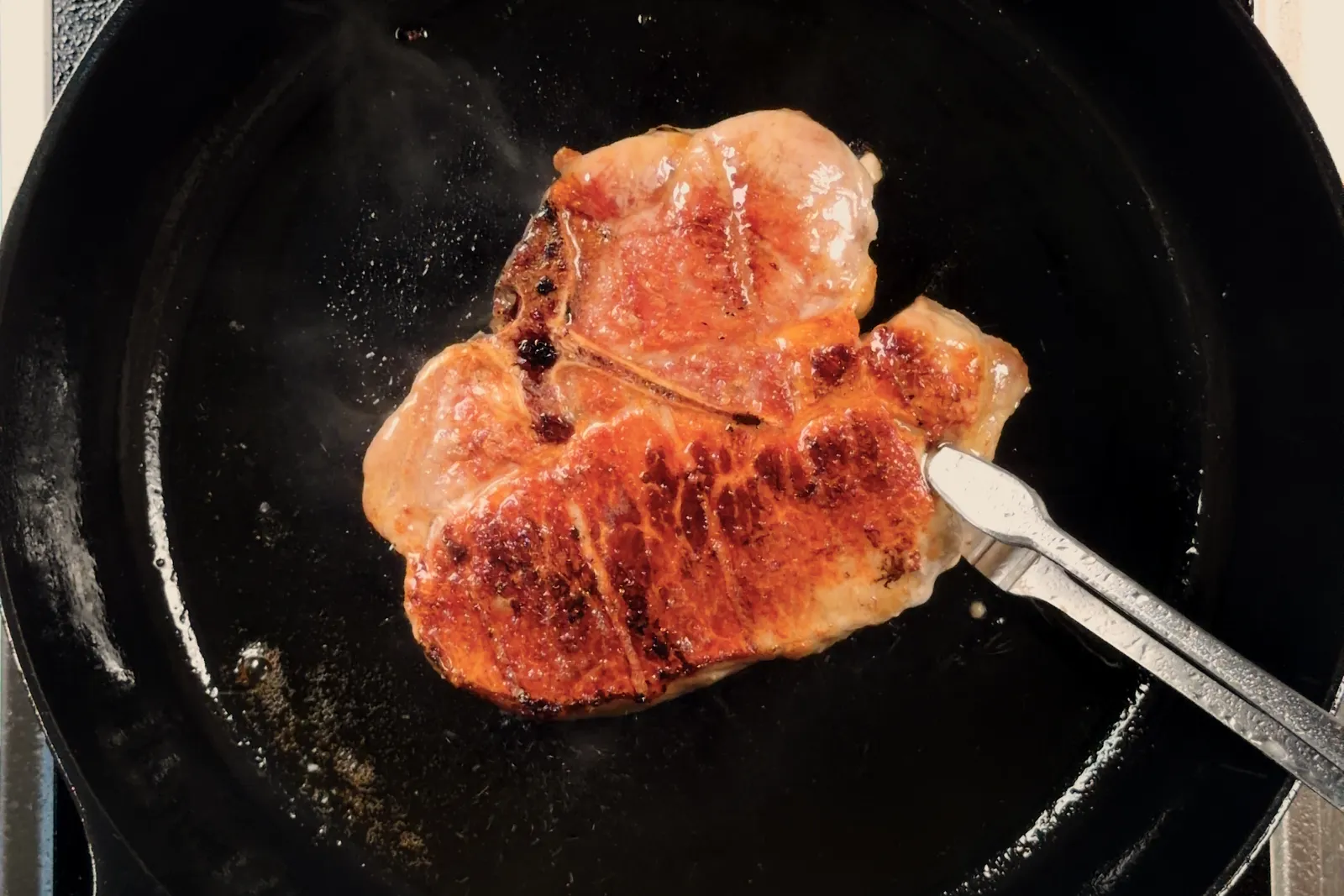
Overcooked pork up close: the fibers have contracted and wrung their water out. That is what dry and chalky looks like.
Carryover: the meat keeps cooking after you pull it
Here is the part that trips up even careful cooks. When you take a chop off the heat, it does not stop cooking. The outside of the meat is much hotter than the center, and that heat keeps flowing inward for a while after the pan is off. The internal temperature keeps climbing. This is called carryover cooking, and if you ignore it, you will consistently overshoot your target.
Pull before your number. Off the heat, the center keeps climbing on its own.
How much a chop carries over depends mostly on two things: how thick it is, and how hard you seared it. A thick chop has more hot mass on the outside pushing heat toward a cooler center, so it climbs more. ThermoWorks measured thick grilled chops (around 1.5 inches) rising 11°F to 13°F after coming off hard, direct heat. Cook that same chop gently and the climb shrinks to just a few degrees, because the inside never built that steep a gradient. A thin chop, maybe half an inch, has almost no reservoir of heat to give either way, so it barely moves, often just 2°F to 4°F. Same cut, same animal, completely different behavior. Treating them the same is where people go wrong.
Thin vs thick: pull them at different temperatures
This is the practical payoff, and because it is about food safety, it is worth getting exactly right. The rule is simple: you pull thick and thin chops at different temperatures, because they carry over by different amounts.
A thick chop and a thin chop are two different problems. They do not come off the heat at the same number.
For a thick chop (about 1.25 to 1.5 inches), here is how I cook mine. I like pork rosy, a little closer to medium, so I pull at around 130°F and let it rest. It drifts up to somewhere around 138°F to 143°F for a moment, then settles, and it stays pink and juicy from edge to edge. I want to be straight with you about what that is, because trusting the number matters more to me than keeping this simple: 130°F is a doneness preference, not the USDA safe cook. Safety is about how long the meat is held at temperature, not the highest number the thermometer flashes for a second. Matching the 145°F standard takes 12 minutes held at 140°F, or 6 minutes at 143°F, and a quick carryover spike never gets there. Trichinosis is a non-issue in today's pork and the Salmonella risk on a good chop is low, so plenty of people eat it this way on purpose. Just know it is a personal call, and I would not serve a 130°F chop to anyone pregnant, very young, elderly, or with a weak immune system.
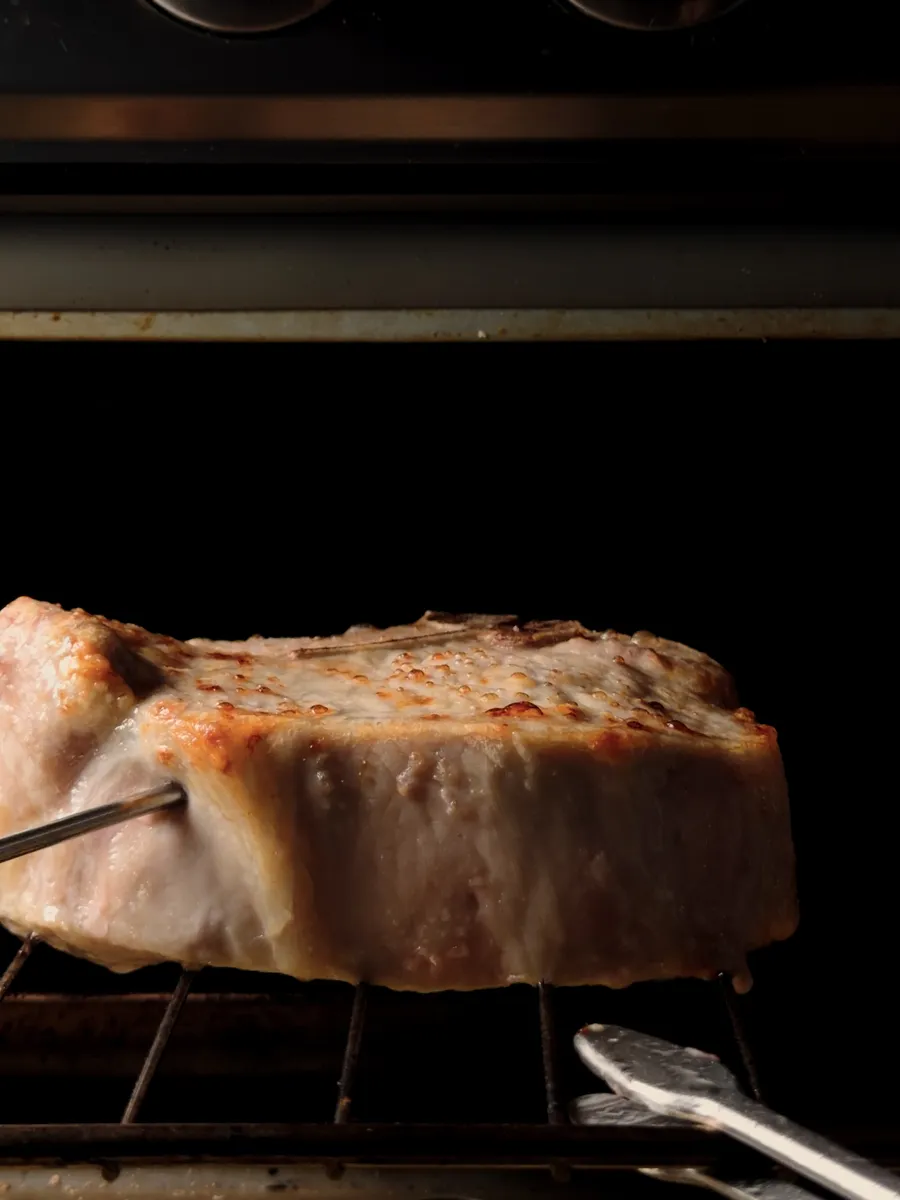
If you want it strictly by the book, aim for a center that reaches 145°F and holds three minutes, and let carryover do the last stretch. How far it climbs depends on the method. Off a hot grill or a hard cast-iron sear, a thick chop builds a steep, screaming-hot shell and the center rises 11°F to 13°F after you pull it, so pull around 135°F to 138°F. With a reverse sear (gentle low oven first, then a quick hard sear for crust), the inside is already close to even, so it climbs only 2°F to 5°F, and you pull at 142°F to 143°F. The reverse sear is the more forgiving method for a thick chop, because the gentle start keeps the outer layers from graying while the center catches up. Either way, carryover varies, so confirm with a thermometer that the center actually reaches your number rather than trusting it to climb there.
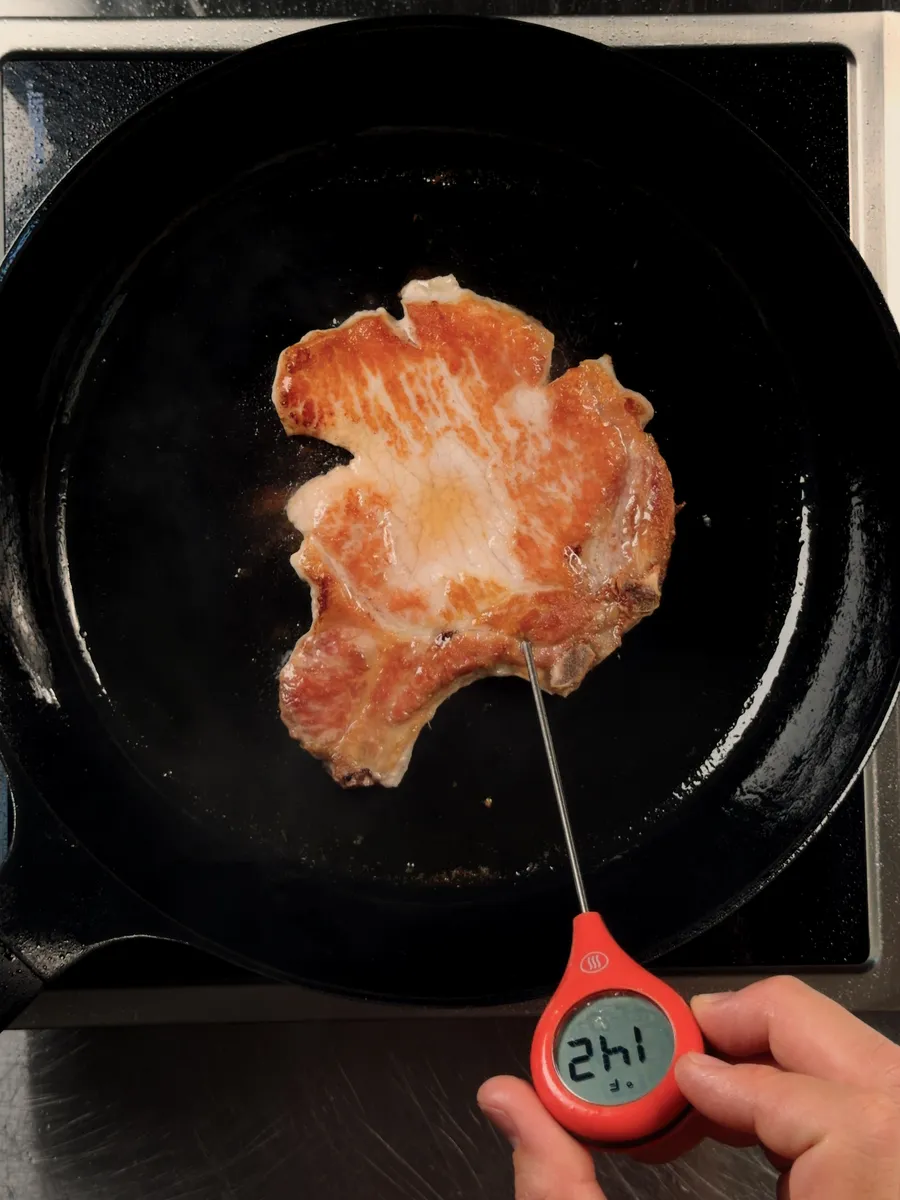
A probe in the thickest part is the only way to really know. Pull where you want it, then confirm the number.
For a thin chop (around half an inch), pull it at 143°F to 145°F. It barely carries over, so there is no cushion to lean on. This is the mistake that actually matters: if you pull a thin chop "early to let carryover finish," the way you would a thick one, it never climbs, and you serve undercooked pork. A thin chop wants the opposite technique from a thick one. Cook it blazing hot and fast so you get a sear before the inside overshoots, pull it at the finish temperature rather than below it, and still give it the three-minute rest so it reaches and holds a safe 145°F.
The three-minute rest
The rest does two jobs, one for safety and one for texture. On safety, it is not optional. The 145°F standard is only equivalent to the old 160°F standard because of the hold. Food safety is a function of temperature and time together, not temperature alone. Holding the meat at that heat for three minutes gives the same lethal effect on pathogens that a higher instant temperature would. Skip the rest and you have skipped part of the standard.
On texture, the rest lets the juices redistribute. While the chop cooks, heat drives moisture toward the cooler center and pressure builds inside the muscle. Cut into it straight off the heat and that pressurized liquid runs out onto the board. Give it a few minutes and the fibers relax and reabsorb much of that moisture, so it stays in the meat where you want it. Three minutes is the safety floor. For a thick chop, five to ten minutes is even better and gives carryover time to finish.
Let it rest before you cut. Slice too soon and the juice runs onto the board instead of staying in the meat.
Dry brine for insurance
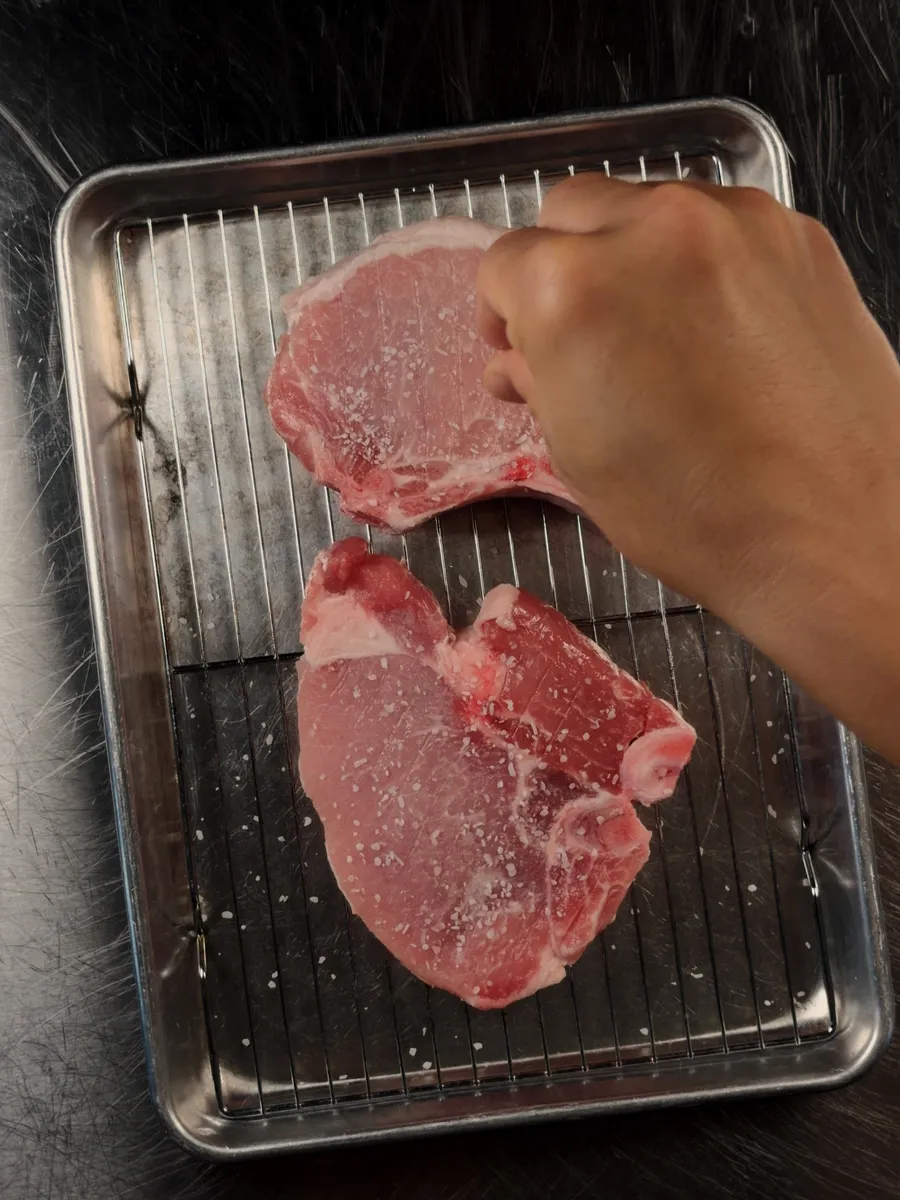
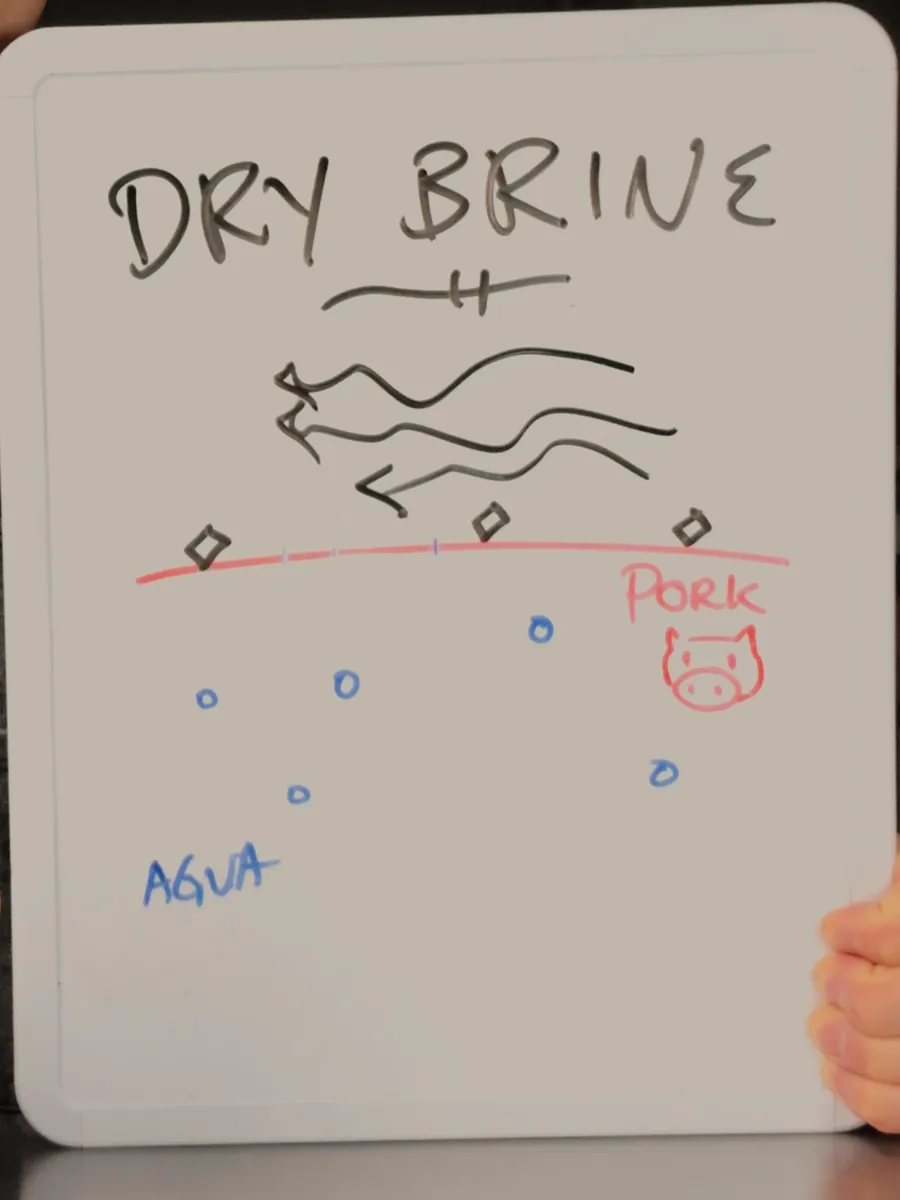
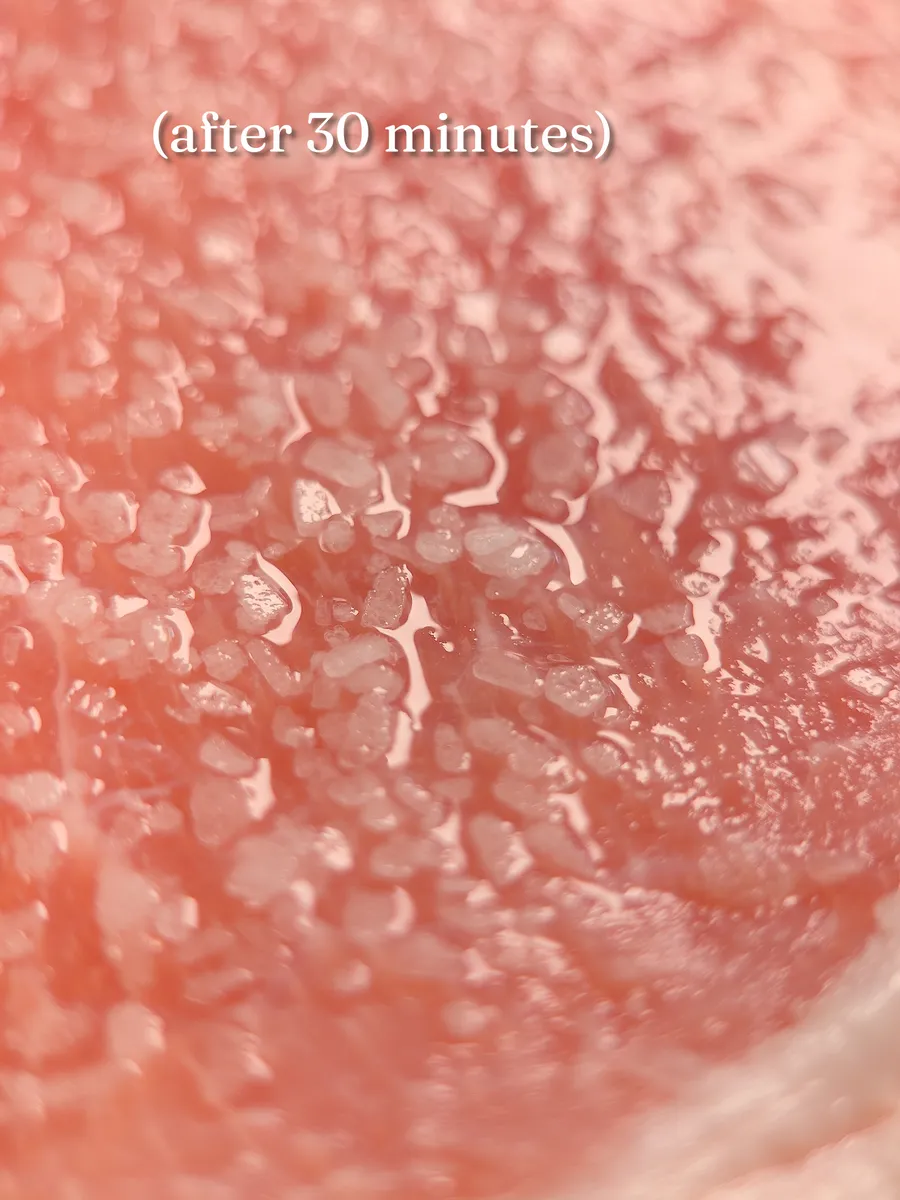
If you want one more layer of protection against dryness, dry brine. Salt the surface of the chop, then let it rest uncovered in the fridge, anywhere from under an hour for a thin chop to overnight for a thick one. Two things happen. The salt dissolves and works its way into the meat, helping the muscle proteins hold on to water instead of expelling it during cooking, so you keep more moisture even if your timing is slightly off. And leaving it uncovered dries the surface, which is exactly what you need for a fast, deep, brown sear. A wet surface spends its energy boiling off water before it can brown. A dry, salted surface browns quickly and gives you crust and color without overcooking the inside. It is cheap insurance for a chop that is already going to be cooked to the right number.
Dry brine in one picture: salt draws moisture out, it dissolves, then it gets reabsorbed, seasoning the meat and helping it hold water.
How much salt? Aim for about 1 percent of the chop's weight. That seasons it all the way through without tasting salty. If you have a scale, that is roughly 4.5 grams per pound. If you do not, go by the chop, and know the salts are not interchangeable by volume because they pack differently. A thin chop (around half an inch, maybe 5 to 6 ounces) wants about 1/2 teaspoon Diamond Crystal kosher salt, a scant 1/3 teaspoon Morton, or 1/4 teaspoon table salt, split over both faces. It only needs 45 minutes to a couple of hours, since the salt has almost no distance to travel. A thick chop (around 1.25 to 1.5 inches, maybe 12 ounces) wants about 1 teaspoon Diamond Crystal, 3/4 teaspoon Morton, or a generous 1/2 teaspoon table salt over all its surfaces, and it does best salted 8 to 24 hours ahead so the salt has time to reach the center. Notice the amount is always the same share of the weight. What changes with thickness is the time, because salt creeps inward slowly and the middle of a thick chop is much farther from the surface. A rough rule: double the thickness and you roughly quadruple the time it needs.
After 30 minutes the salt has melted into the surface. Thicker chops want longer, up to overnight.
Weekly articles
Enjoy the science? There's more every week.
New food science article every week. Sign up free to get notified, or go ad-free with membership.