Stop Throwing Out Watermelon Rind: 3 Ways to Use It
The watermelon rind is edible and crunchy, like a cousin of cucumber. Here are three ways to use it from one watermelon: a fresh pico de gallo, quick refrigerator pickles, and a spicy Korean side.
Charles Kim·Chef Fatty
July 24, 2026
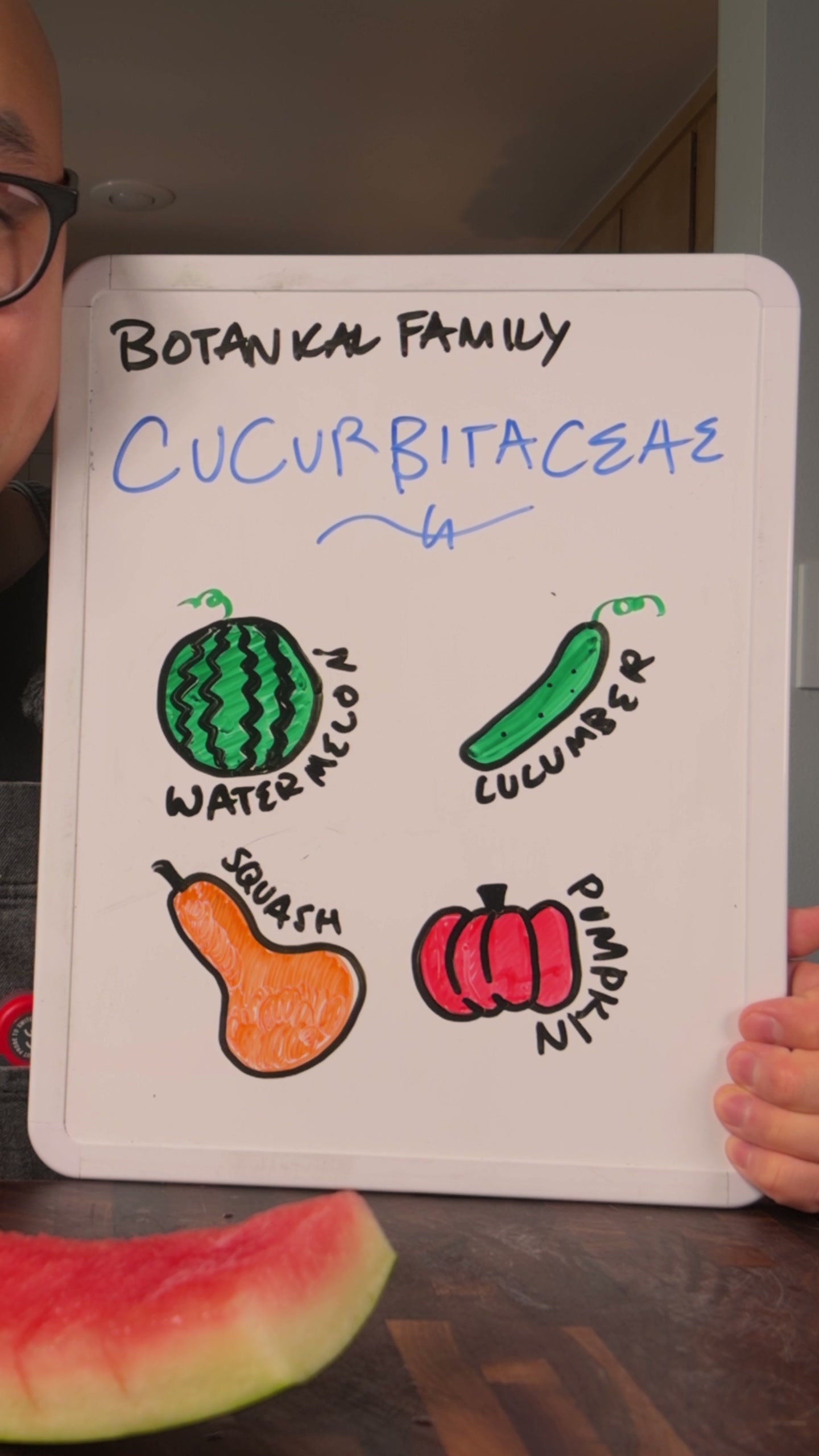
Every summer we eat the pink and throw the rest away. That is a waste, because the watermelon rind is one of the most useful vegetables you already bought. Watermelon sits in the same botanical family as cucumber, squash, and pumpkin, the Cucurbitaceae, and that firm pale layer under the skin eats a lot like cucumber or jicama. It is crisp, mild, and barely sweet, and it holds its crunch long after the red flesh would go soft. Here are three ways to use it, all from one watermelon.
Watermelon is kin to cucumber, squash, and pumpkin. That is your hint that the rind is food, not trash.
How to prep the rind
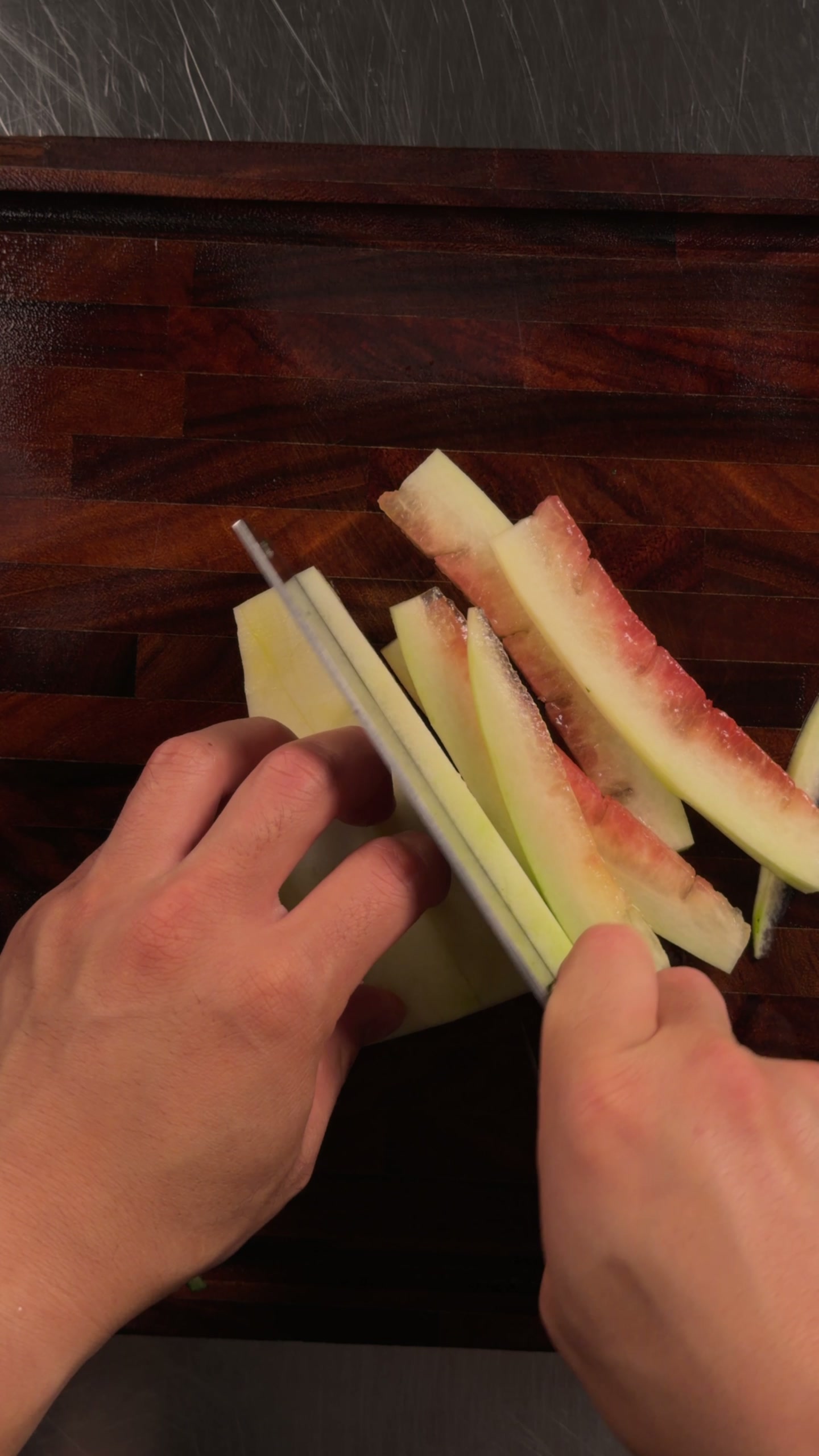
All three recipes start the same way. Cut the watermelon into wedges and eat or save the pink flesh. You are left with the rind. Peel off the tough dark green outer skin with a Y-peeler or paring knife until you reach the pale green and white layer underneath, then trim away all but a thin blush of pink. That firm pale rind is what you cook with. It should feel like a raw cucumber. If it is soft or spongy, you left too much pink flesh on, so trim closer to the pale green.
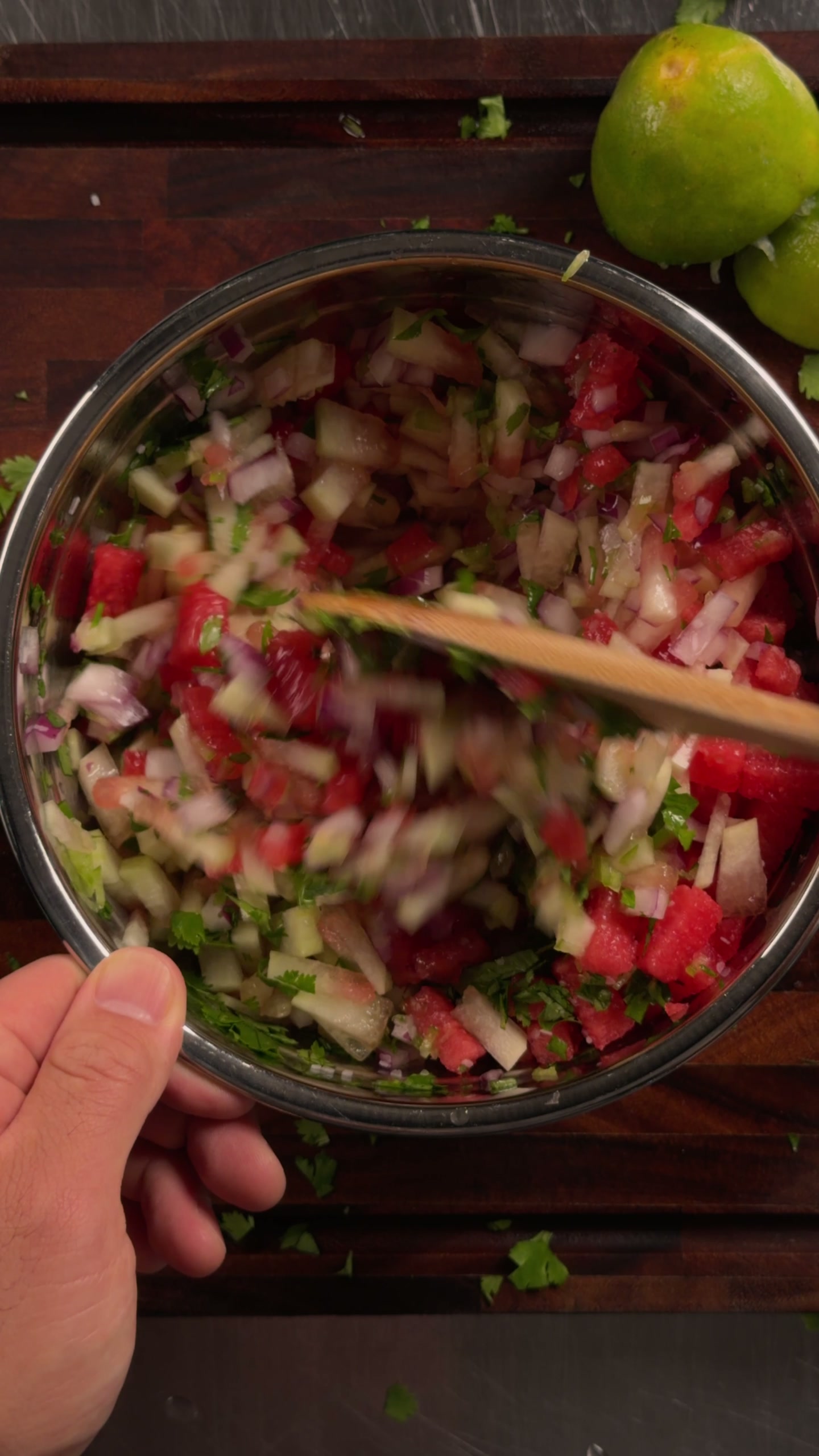
Watermelon Rind Pico de Gallo
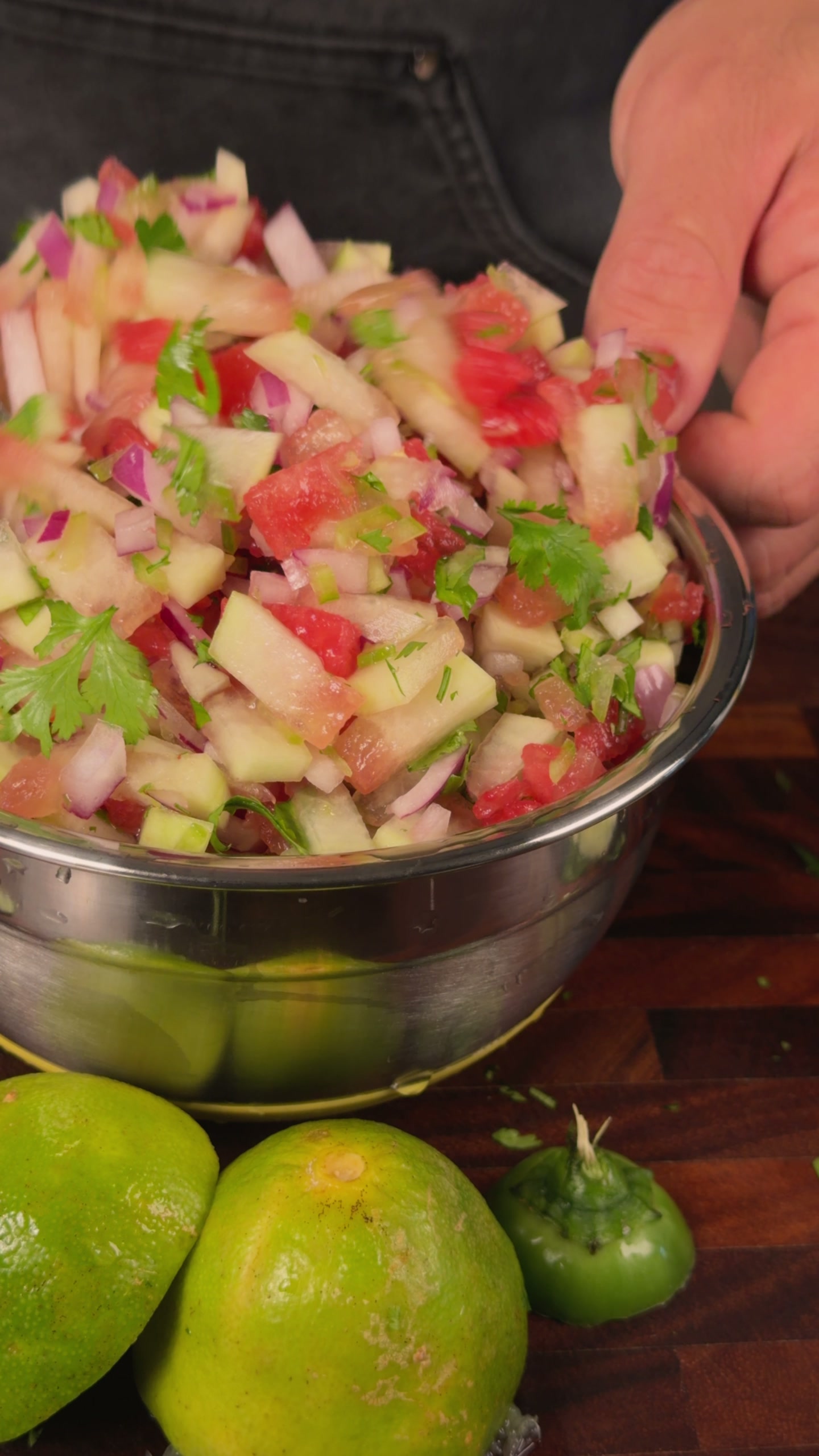
Treat the rind like a real pico and it eats crisp and barely sweet, holding its crunch long after diced tomato would go soft. Dice everything small, hit it with lime and salt, and you get a fresh bowl that tastes like summer and wastes nothing.
Makes about 4 cups (6 to 8 servings). 20 min active, 40 min total.
Ingredients
Pico de Gallo
2 cups watermelon rind, small dice (pale green and white layer, from about 1/4 large watermelon)
1/4 tsp kosher salt, for salting the rind
1 lb roma tomatoes (about 4), seeded and cut in 1/4-inch dice
1/2 cup red onion, finely diced (about 1/2 small onion)
1 jalapeno, seeded and minced
1/2 cup fresh cilantro, chopped
1/4 cup fresh lime juice (about 2 limes)
1/2 tsp kosher salt, plus more to taste
Optional
1/2 cup red watermelon flesh, small dice (for color and a little sweetness)
Steps
Prep the rind. Cut a wedge of watermelon and slice the red flesh off, saving it to snack on (or set aside 1/2 cup to dice in later). You are left with the rind. Peel off the tough dark green skin with a vegetable peeler or paring knife until you reach the pale green and white layer underneath, then trim away all but a thin blush of pink. That firm pale rind is what you want. It should feel like a raw cucumber.
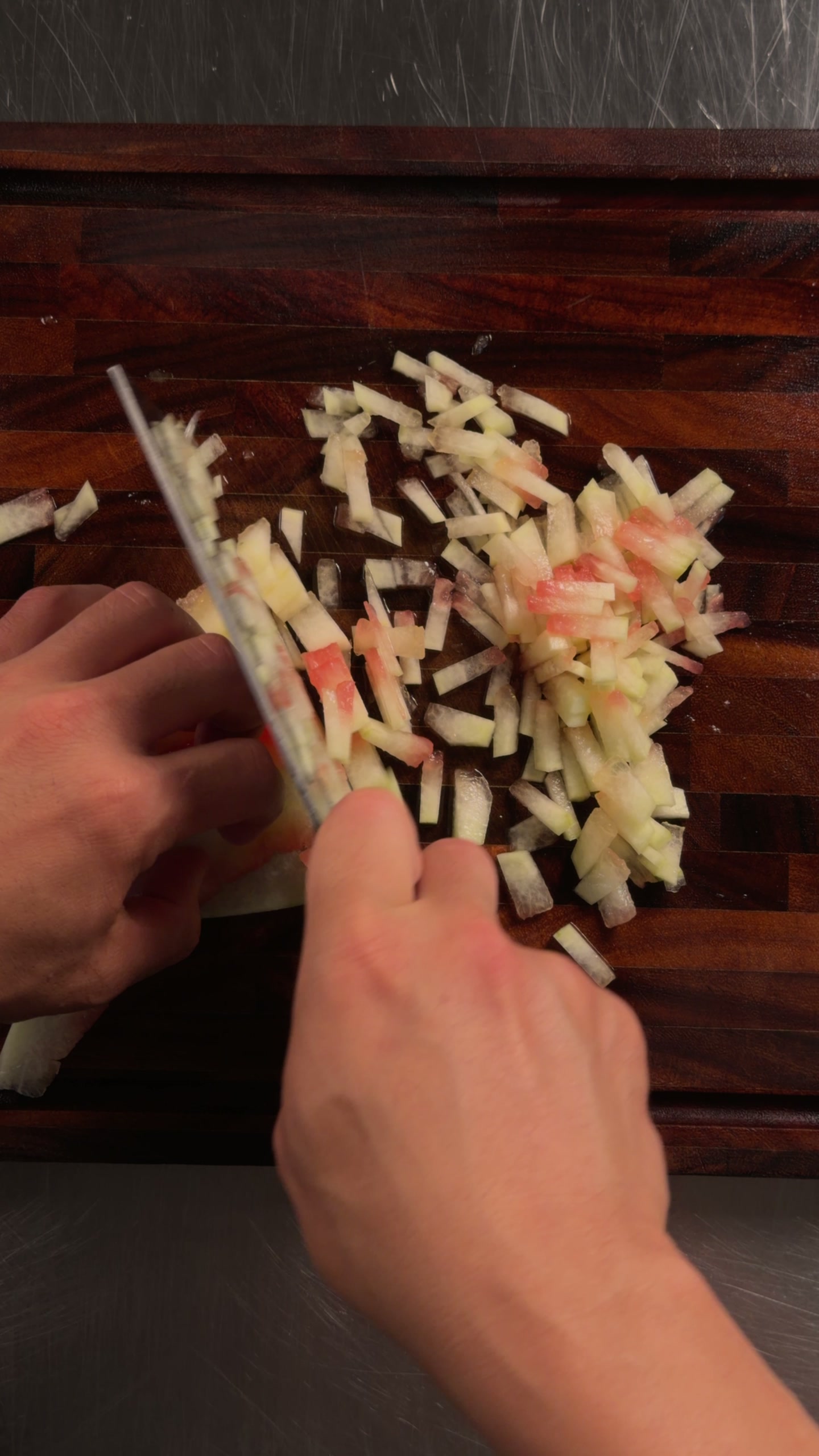
Dice the rind small. Cut the rind into 1/4-inch pieces, about the size of a corn kernel, until you have about 2 cups. Even dice is what makes this eat like a real pico instead of a chunky salad.
Salt and drain the rind. Toss the diced rind with 1/4 teaspoon salt in a colander and let it sit 10 minutes. This seasons it and pulls out a little water so the pico does not turn soupy, while the rind stays crunchy. Shake off the liquid and pat dry.
Dice everything else. While the rind drains, seed and dice the tomatoes into 1/4-inch pieces (seeding keeps things bright, not watery). Finely dice the red onion, mince the jalapeno, and chop the cilantro.
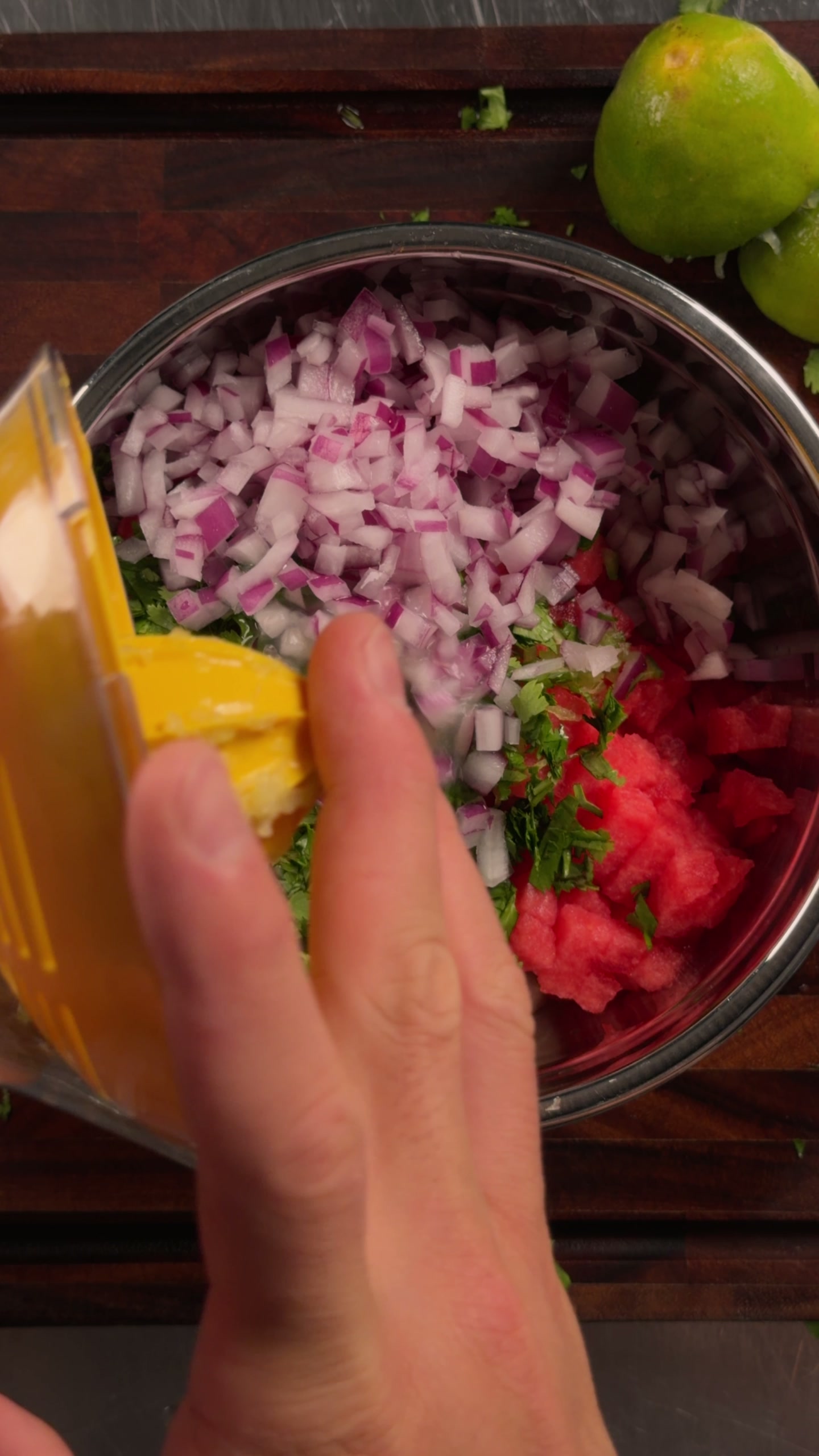
Build the bowl. In a big bowl, combine the drained rind, tomato, red onion, jalapeno, cilantro, and the optional red watermelon. Add the lime juice and 1/2 teaspoon salt, then toss well.
Rest and taste. Let it sit 10 minutes so the flavors come together, then taste and add more salt or lime until it pops. Serve with tortilla chips, or spoon it over tacos, grilled fish, or carnitas. Keep the bowl refrigerated until you serve it, and refrigerate any leftovers right away.
Tips
Small, even dice is the whole game. Keep everything corn-kernel size so each bite gets rind, tomato, onion, and a little heat at once.
Seed the tomatoes. Roma tomatoes with the seeds scooped out stay bright instead of soupy. Same reason you salt and drain the rind first.
Control the heat with the jalapeno. Seeded is mild. Leave some seeds in for more kick, or reach for a serrano if you like it hot.
The rind should feel firm like a raw cucumber. If it is soft or spongy, you left too much pink flesh on. Trim closer to the pale green next time.
Best the day you make it. Salt and lime keep pulling water out over time, so eat it within a few hours for peak crunch. Store leftovers covered in the fridge and finish them within 2 days. This is a fresh, no-cook salsa, not a canned or shelf-stable one, so keep it cold. To make ahead, prep everything separately and toss just before serving.
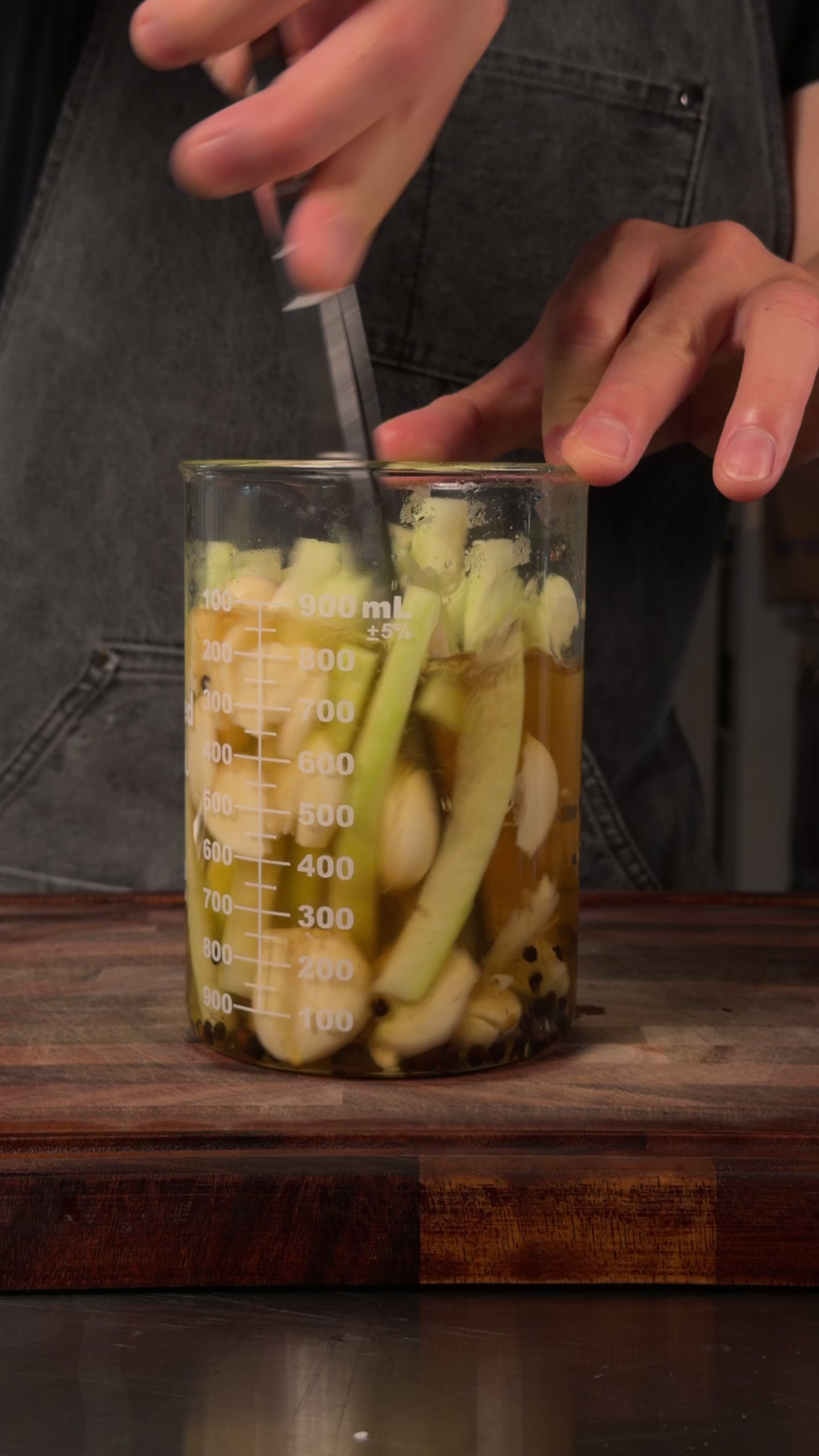
Quick Pickled Watermelon Rind
This is a fast, savory refrigerator pickle, none of the long sugary Southern simmer. Garlic and black peppercorns go in cold, a hot vinegar brine goes over the top, and the fridge does the rest. Give it a day and you have a crunchy, tangy snack that makes people ask what it is.
Makes about 1 quart (8 servings). 20 min active, 50 min total.
Ingredients
For the rind
4 cups prepared watermelon rind batons (from about 1/4 large watermelon)
For the jar
3 cloves garlic, peeled and smashed
1 teaspoon black peppercorns
4 coins fresh ginger, thinly sliced (optional)
For the brine
1 cup distilled white vinegar
1 cup water
2 tablespoons granulated sugar
1 tablespoon kosher salt (or 2 teaspoons fine sea salt)
Steps
Prep the rind. Cut the watermelon into wedges and eat or save the pink flesh. Working with the rind, peel off the tough dark green outer skin with a vegetable peeler or paring knife. Trim away most of the pink flesh, leaving just a thin blush for color. You want the firm pale green and white rind, since that is the part that pickles up crunchy.
Cut into batons. Slice the rind into sticks about 1/2 inch thick and 2 to 3 inches long. You are looking for roughly 4 cups.
Salt for crunch (recommended). Toss the raw batons with 1 teaspoon of the kosher salt and let them sit in a colander for 20 minutes while you heat the brine. This pulls out water and keeps the rind snappy. Give them a quick rinse and shake dry, then reduce the salt in the brine below to 2 teaspoons so the jar does not turn too salty.
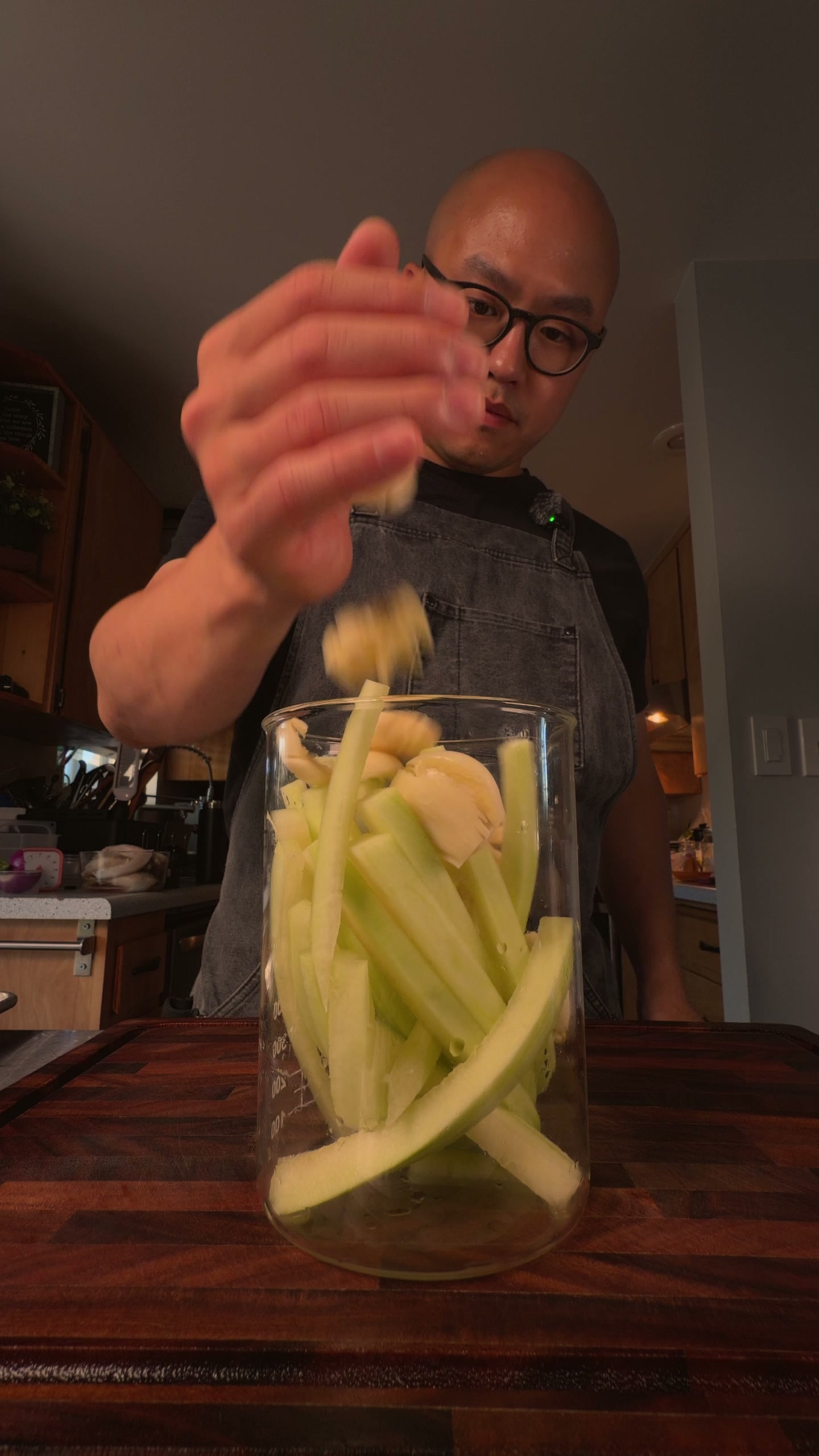
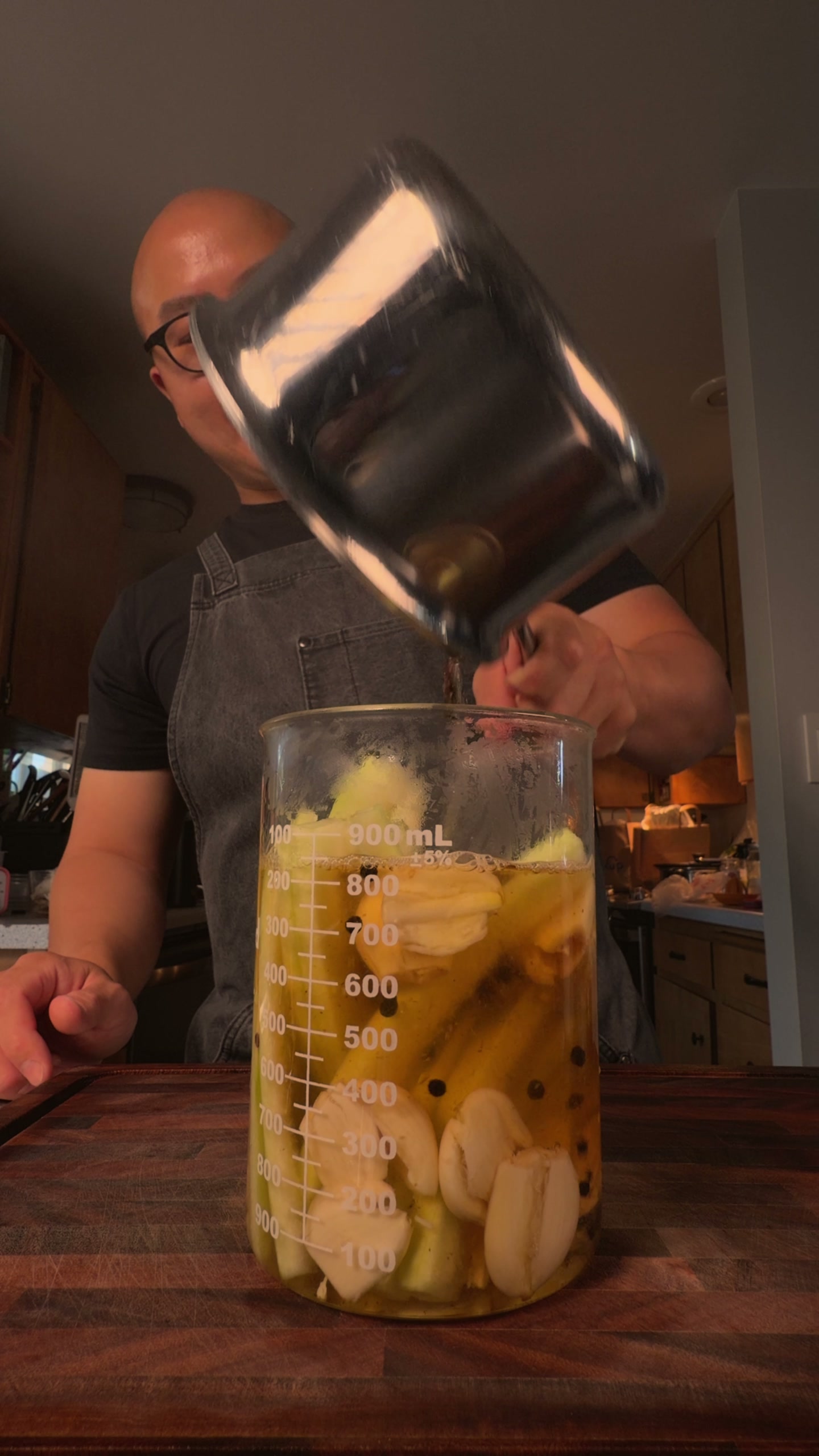
Load the jar. Drop the garlic, peppercorns, and ginger (if using) into a clean 1-quart glass jar. Pack the rind batons in snugly, standing them upright so you can fit more.
Make the brine. In a small saucepan, combine the vinegar, water, sugar, and remaining salt. Bring to a simmer over medium heat, stirring until the sugar and salt fully dissolve, about 2 minutes.
Pour it over. Use a room-temperature jar so the glass does not crack from the heat. If the jar is cold, warm it first under hot tap water and dry it. Carefully pour the hot brine into the jar until the rind is completely submerged. Tap the jar on the counter to release trapped air bubbles. If any batons poke above the liquid, top off with equal splashes of vinegar and water.
Cool, then chill. Let the jar sit on the counter for 20 to 30 minutes to cool, then screw on the lid and refrigerate. They are ready after 24 hours and even better after 2 days, once the brine works in and the rind turns crisp-tender with translucent edges.
Tips
Skipping the salting step? You can pack the batons raw and pour the brine straight over. They still come out crisp-tender, just a touch less snappy, and use the full tablespoon of salt in the brine.
Want a softer, more classic texture? Blanch the raw batons in boiling water for 3 to 4 minutes and drain before packing.
Ready in 24 hours, best after 2 days. Keeps in the fridge up to 1 month. The crunch is at its peak in the first 2 weeks, then softens gradually.
Distilled white vinegar keeps it clean, sharp, and pale. Swap half of it for apple cider vinegar if you want a rounder, warmer flavor.
Make it savory-spicy by adding a halved fresh red chile or 1/2 teaspoon red pepper flakes to the jar. A teaspoon of coriander seed is good in there too.
Do not waste the flesh. Blend the pink into an agua fresca or freeze it for smoothies while the rind does its thing.
Serve these on a cheese board, chopped into tuna or chicken salad, next to grilled pork or barbecue, or straight from the jar over the sink.
This is a refrigerator pickle, not shelf-stable canning. Use a clean jar and clean utensils, keep the rind submerged, and always store it in the fridge. Fresh garlic in the brine can turn faintly blue or green over time. That is a harmless reaction with the acid, not a sign of spoilage.
Korean Spicy Watermelon Rind
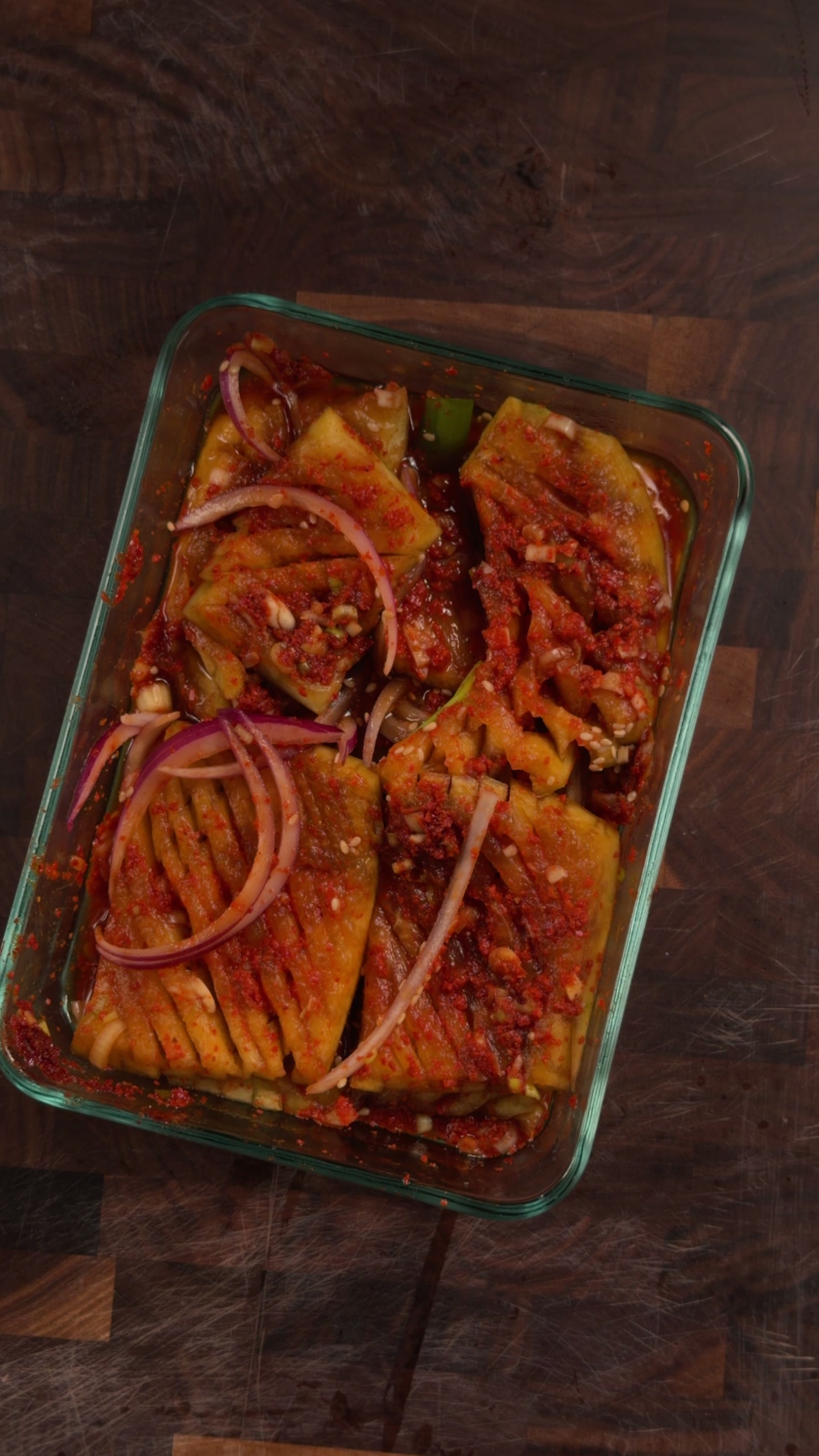
The rind gets salted until it turns snappy, then tossed in a gochugaru sauce loud with garlic and sesame, the way you would dress a fresh cucumber kimchi. It comes out crunchy, spicy, and a little sweet, the kind of side that disappears before the rice is even done.
4 as a side. 20 min active, 60 min total.
Ingredients
The rind
1 lb pale green and white watermelon rind, tough dark skin peeled and pink flesh trimmed off (from about 1/4 of a large watermelon)
1 Tbsp Diamond Crystal kosher salt (or 2 tsp fine sea salt), for the cure
Spicy sauce
2 Tbsp gochugaru (Korean red pepper flakes), plus more to taste
1 Tbsp soy sauce
2 tsp fish sauce (optional, for depth; leave out for vegetarian and add 1 more tsp soy sauce)
1 Tbsp rice vinegar
1 Tbsp sugar
1 Tbsp garlic, finely minced (about 3 cloves)
1 Tbsp toasted sesame oil
To finish
1/4 medium red onion, thinly sliced
2 stalks green onions, cut into 1-inch pieces
1 Tbsp toasted sesame seeds
Steps
Prep the rind. Peel off the tough dark green skin with a Y-peeler or paring knife until you reach the firm, pale layer underneath. Trim the pink flesh right down to that pale layer. A faint blush is fine, but any soft pink will go mushy and water down your sauce, so cut it away. What you want is the dense pale green and white rind, because that is the part that stays crisp.
Slice and score. Cut the rind into batons or bite-size pieces about 1/4 inch thick and 2 inches long, keeping them an even size so they cure at the same rate. If your pieces are on the thick side, lightly score a shallow crosshatch on one face, just a hair deep, so the salt pulls water faster and the sauce has something to grab.
Salt cure. Toss the rind with the kosher salt in a large bowl and let it sit for 30 minutes. It will release a surprising amount of water and turn slightly translucent and bendy at the edges. This step is what keeps the rind crunchy instead of watery.
Rinse and squeeze dry. Tip the rind into a colander, rinse briefly under cold water to wash off the surface salt, then squeeze it firmly in a clean towel (or press hard with your hands) to wring out as much liquid as you can. Dry rind soaks up seasoning; wet rind just waters down the sauce.
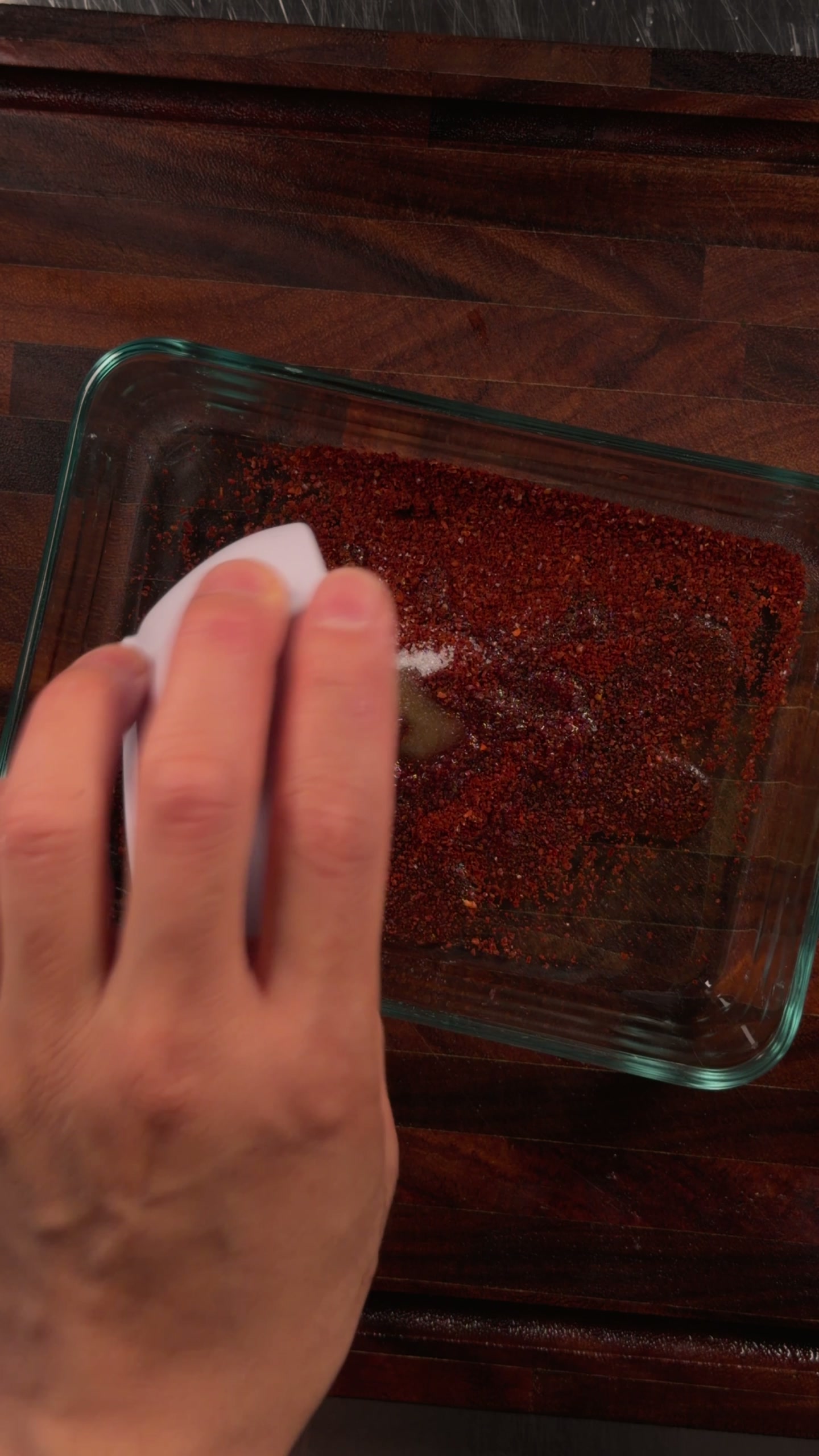
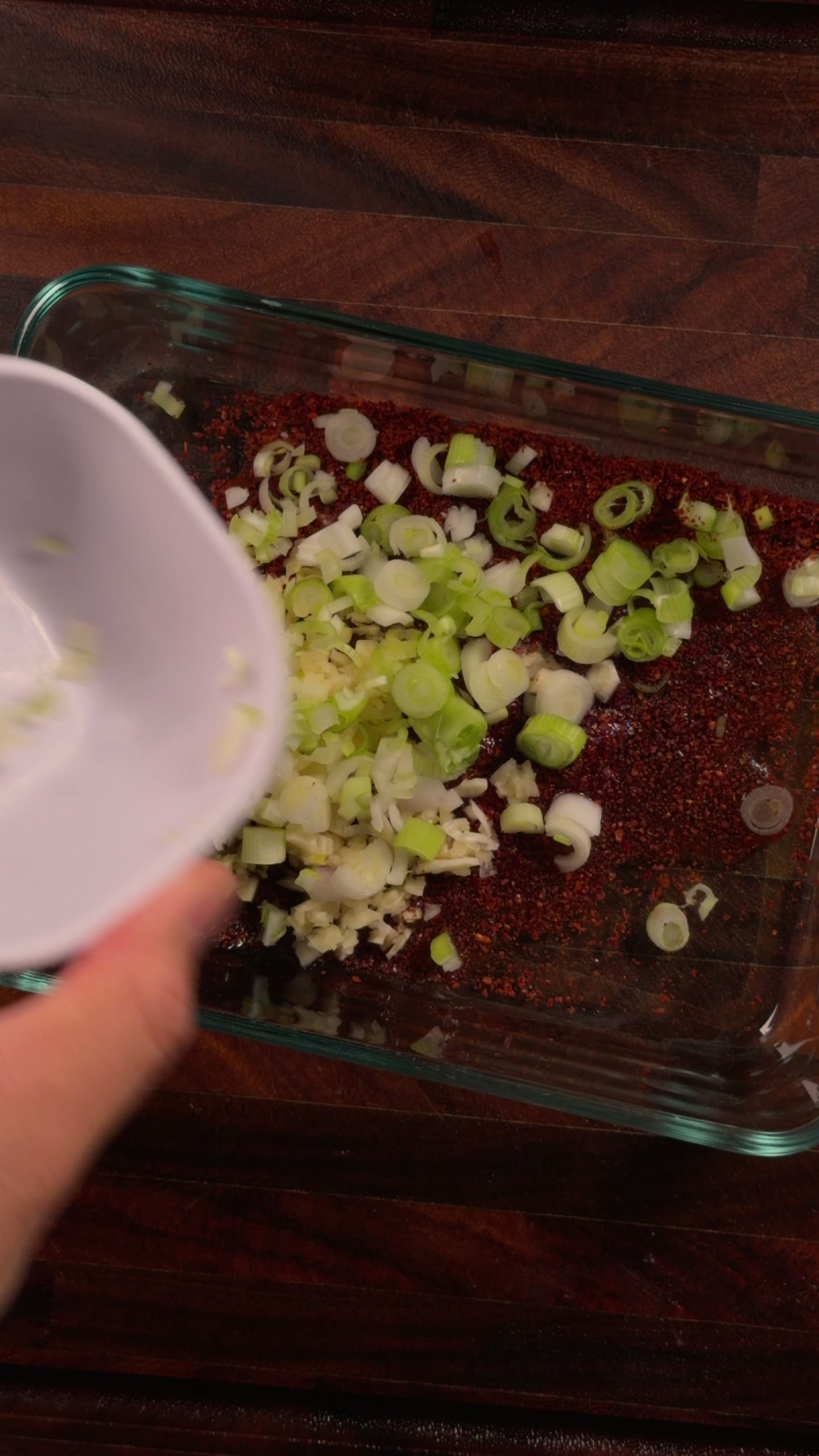
Mix the sauce. In a small bowl, stir together the gochugaru, soy sauce, fish sauce, rice vinegar, sugar, garlic, and sesame oil until the sugar dissolves. Taste it. It should read spicy, salty, a little sweet, and deeply savory, all at once. Nudge it your way before it touches the rind.
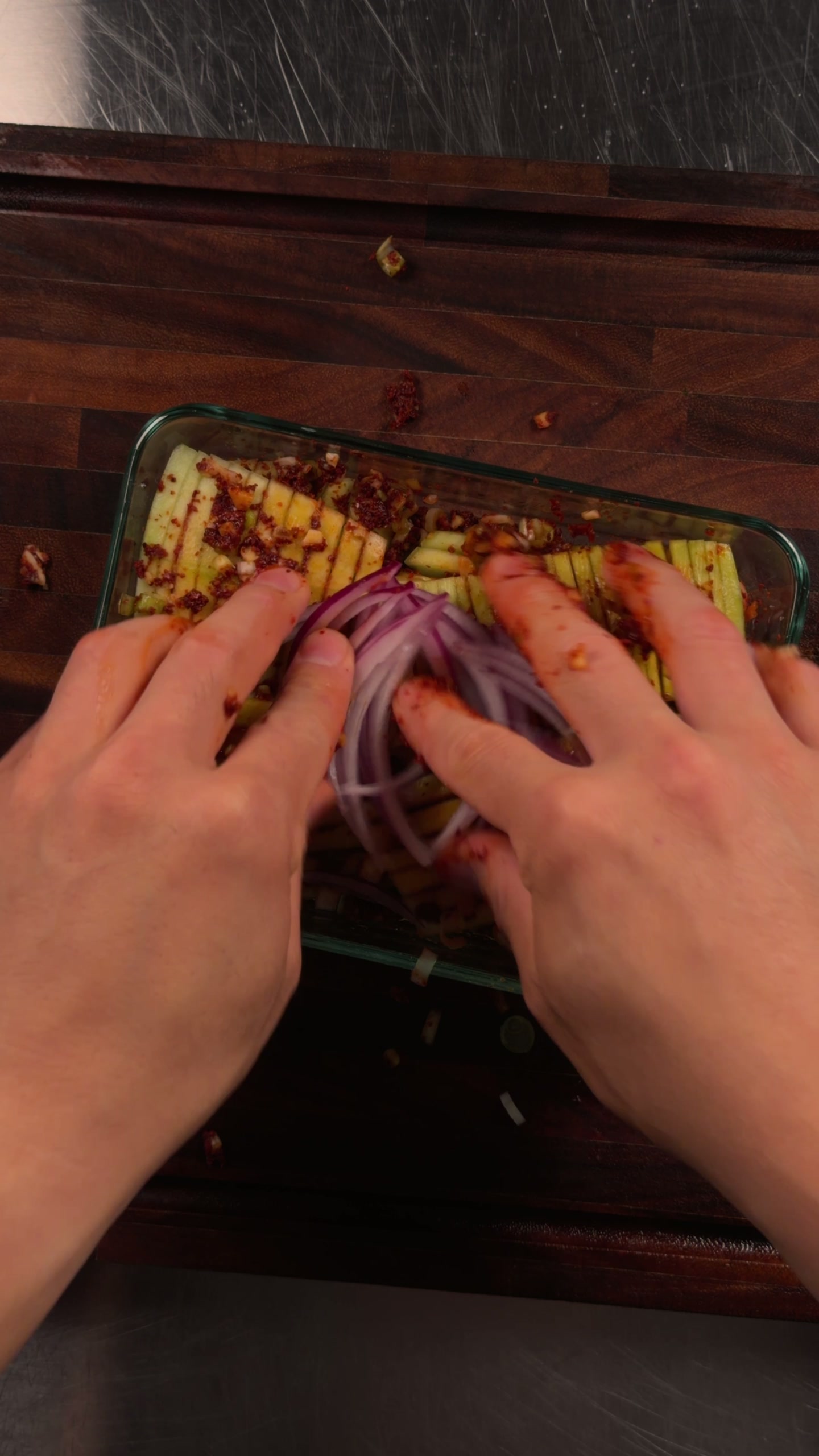
Toss. Add the squeezed rind, red onion, and green onions to the sauce. Toss with your hands or a spoon until every piece is coated a glossy red. Fold in the sesame seeds.
Rest and serve. Let it sit for 10 minutes so the flavors marry, then taste one more time and adjust with a pinch more sugar or a splash of vinegar. Serve it cold as a side with rice, grilled meat, or noodles. It keeps up to 3 days in the fridge, in a covered container, and is crunchiest on the first day.
Tips
Salting is the whole game. Do not skip it. It pulls out the water that would otherwise dilute your sauce and leave the rind limp.
Pick a thick-rind melon. The heavier and thicker the pale layer, the more you get to work with, and a firm melon gives you crisper pieces.
Heat control. Two tablespoons of gochugaru lands medium-hot. Start with one tablespoon if you are heat-shy, or throw in a chopped fresh chili if you want it loud.
Vegetarian swap. Skip the fish sauce and add an extra teaspoon of soy sauce. You lose a touch of funk, but it stays bright and savory.
Turn it into a quick kimchi. Cover and leave it at cool room temperature for 2 to 3 hours, then move it to the fridge. It picks up a gentle sour edge as it sits. Do not leave it out overnight or in a warm kitchen.
No gochugaru on hand? It is worth buying for the color and mellow heat. In a pinch, use half as much regular chili flake, but expect a sharper, hotter bite.
Three recipes, one melon, zero waste. Pick the one that matches your night and start with the rind you were about to throw out.
Weekly articles
Enjoy the science? There's more every week.
New food science article every week. Sign up free to get notified, or go ad-free with membership.
Every Asian stir-fry sauce is the same four dials you turn up or down: salty and umami, aromatic, sweet, and acid, plus heat. Learn the chemistry behind each one, and how one base sauce becomes seven.